Language
 English

Anachronistic red star in Fiume
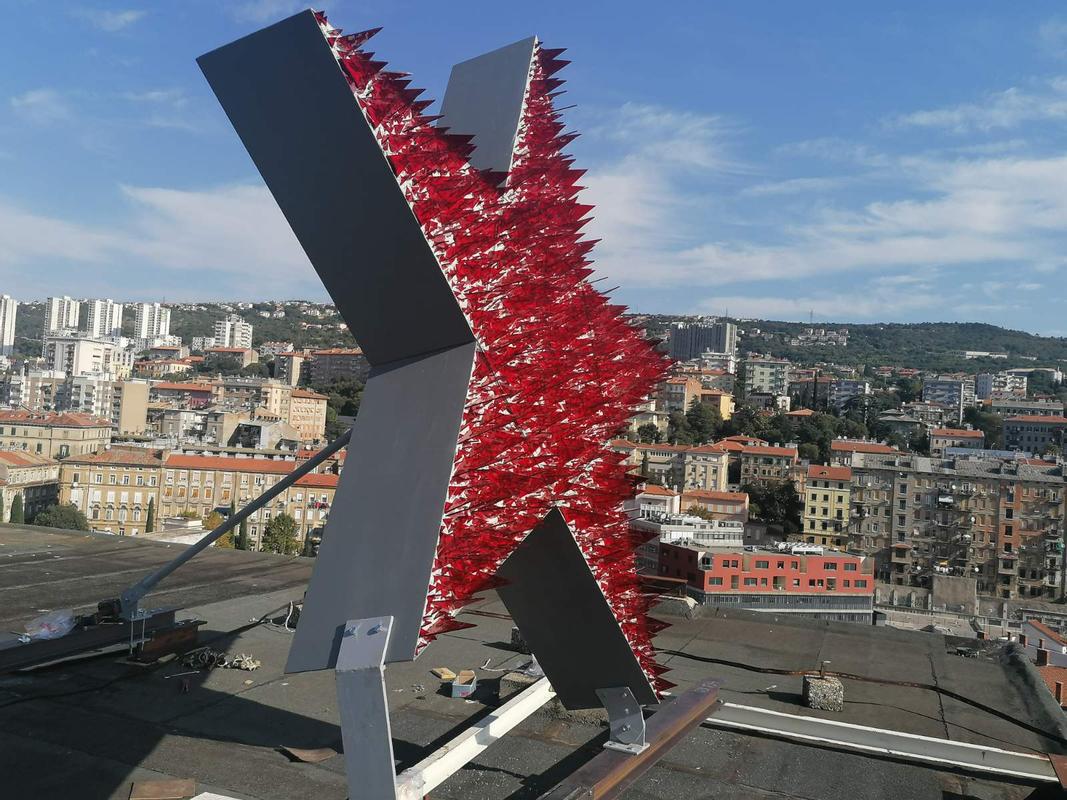
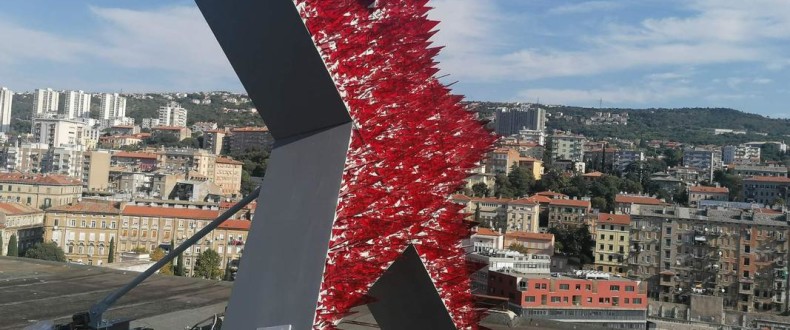
The decision of Mayor Vojko Obersnel to place a giant red star on a city skyscraper, as part of the initiatives of Rijeka European Capital of Culture 2020, has caused dismay not only among many residents of the capital of Carnaro, but also within the world of Istrian, Rijeka and Dalmatian exiles and the native Italian community. This communist symbol is supposed to commemorate the fallen partisans around Rijeka in the final phase of the Second World War, but the numbers of victims during those battles have been inflated and, above all, no reference has been made to what happened after those battles.
The entry of Communist-inspired Yugoslav partisan forces into Fiume on May 3, 1945, undoubtedly ended the Nazi presence, but it also represented the military occupation of a then-Italian city. From the first days of the occupation, the "Titoites" drew on the proscription lists drawn up by the OZNA, Josip Broz "Tito's" infamous secret police, thus targeting not only former fascists and Nazi collaborators, but also prominent members of the indigenous Italian community, the majority within the population, who opposed Fiume's annexation to the resurgent Yugoslavia. Democratic patriots, autonomists, and former Italian partisans vanished into thin air, thrown into sinkholes or deported, creating a climate of terror that would lead to the exodus of thousands of Fiume residents even before their city was officially assigned to communist Yugoslavia by the Peace Treaty of February 10, 1947: it was a true "urbicide."
A regime of occupation of terror was followed by another of a different political color and therefore the restoration of democracy that occurred in other Italian and European locations did not occur. So much so that the European Parliament recently equated in its condemnation the dictatorships of Nazi-fascist inspiration with the communist ones. The choices of the mayor of Rijeka therefore appear anachronistic and contrary to the principles of that European Union of which Croatia is a part, who also took advantage of the showcase of the European Capital of Culture to restore the yacht moored in Rijeka that had belonged to Tito. All this while in the official programming of the event the history of the Italian component of Rijeka remained relegated to a minimal scope, in contempt of the slogan "port of diversity" that had characterized the candidacy of the city as European Capital of Culture.
The community of the Adriatic diaspora, in solidarity with the denunciation of the director of the Historical Archive Museum of Rijeka Marino Micich, hopes that this symbol of death will disappear from the city skyline and that greater sensitivity will be shown by the Rijeka authorities towards the plural memories and the troubled history of Rijeka together with respect for the European resolution condemning dictatorial regimes, including that of Tito.
Donatella Schurzel
Vice President of the National Association of Venezia Giulia and Dalmatia