Language
 English

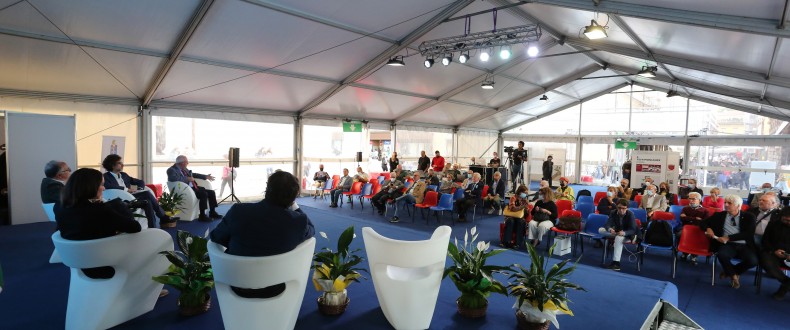
From tourism to cuisine, passing through art and literature at the Bancarella
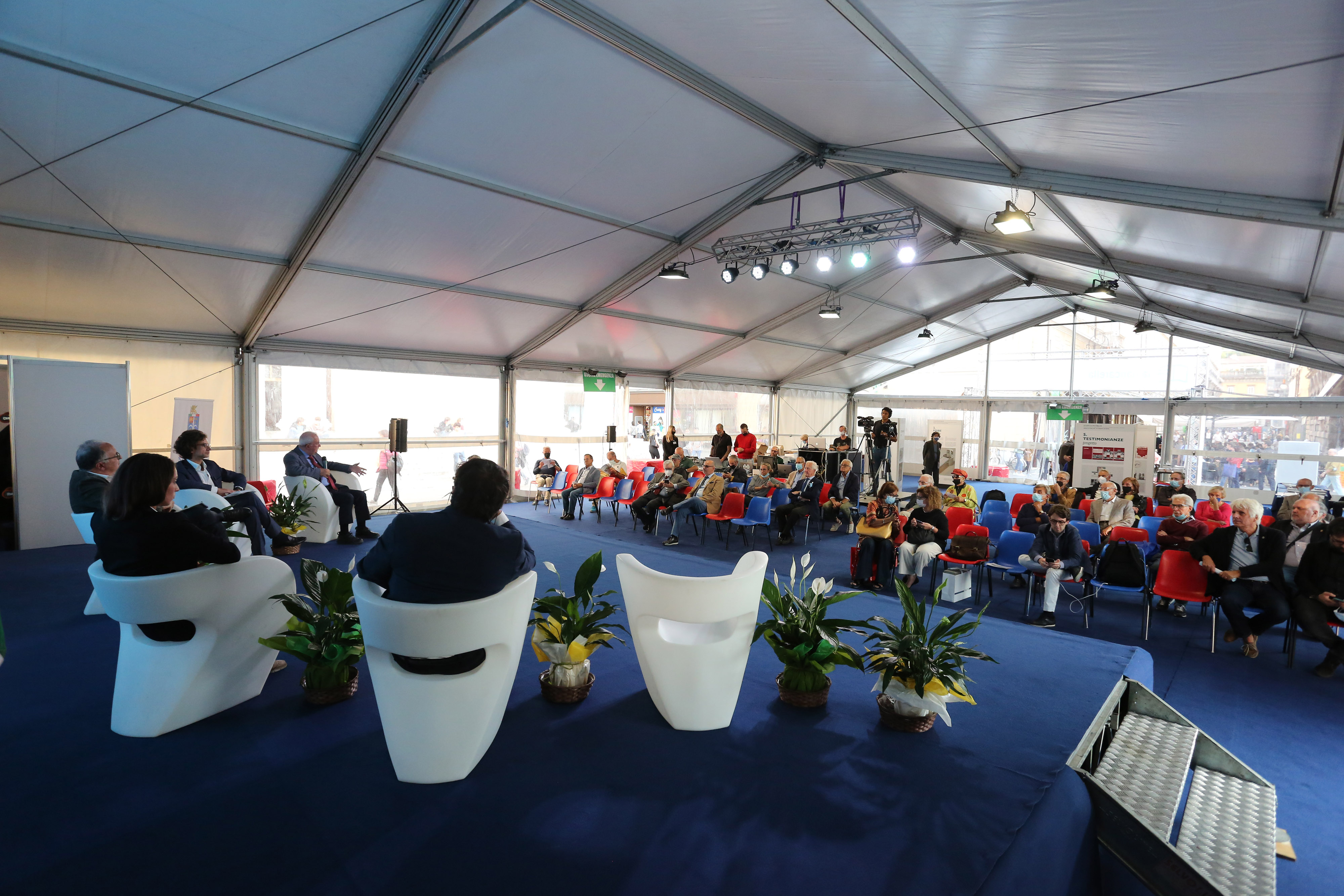
Second day of the Bancarella, the exhibition organized by the Multimedia Documentation Center of Julian, Istrian, Rijeka and Dalmatian culture (CDM) with the support of the Provincial Committee of Trieste of the National Association of Venezia Giulia and Dalmatia, in the name of entertainment. The theme of the day was in fact "Tourism between history and future networks".
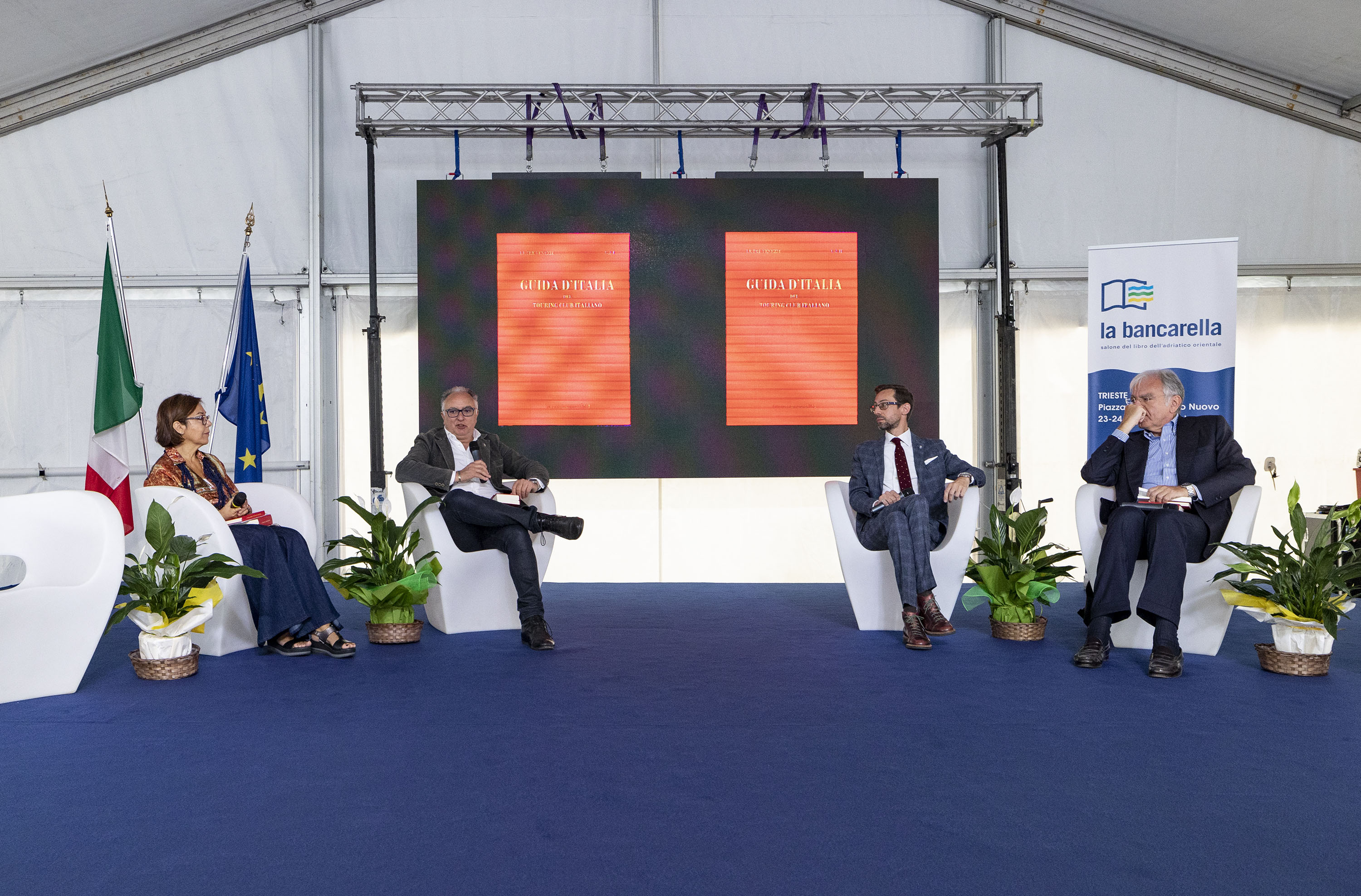
Throughout the day, a journey through past vacation trends was explored through the Touring Club Italiano's vision of the Eastern Adriatic . One morning event focused on Venezia Giulia in the Touring Club Italiano's historical guides. Talking with architect Emanuele Bugli, national councilor of the ANVGD, were Professor Ester Capuzzo, Luciano Mornacchi, sales director of Touring Editore, and Andrea Ungari, full professor of contemporary history. Numerous aspects of the century under consideration were covered, highlighting all the ways in which the leading association for Italian tourism has changed its approach to the Eastern Adriatic over the years. Particularly significant were the illustrations of Venezia Giulia between the two world wars.
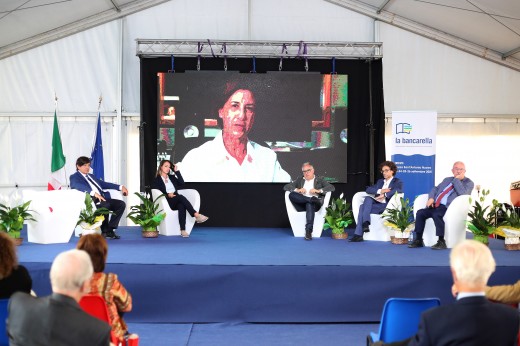
At 3:30 pm, the panel "Italians Visit Italy: Tourism Policies and Dynamics Along the Peninsula Between the Two World Wars ," by Ester Capuzzo, with the participation of Andrea Ungari and Giuseppe Parlato, explored this part of history closely linked to tourism. Immediately afterward, the podcast project " Foibe and Remembrance Day: A Historical Journey Against Simplifications and Ideologizations " was presented. Andrea Ungari, Petra Di Laghi, Gianni Oliva, Diego Lazzarich, and Giuseppe Parlato explored the process and the reasons that led some deniers to treat the topic of the Foibe tragedy in such a superficial manner.
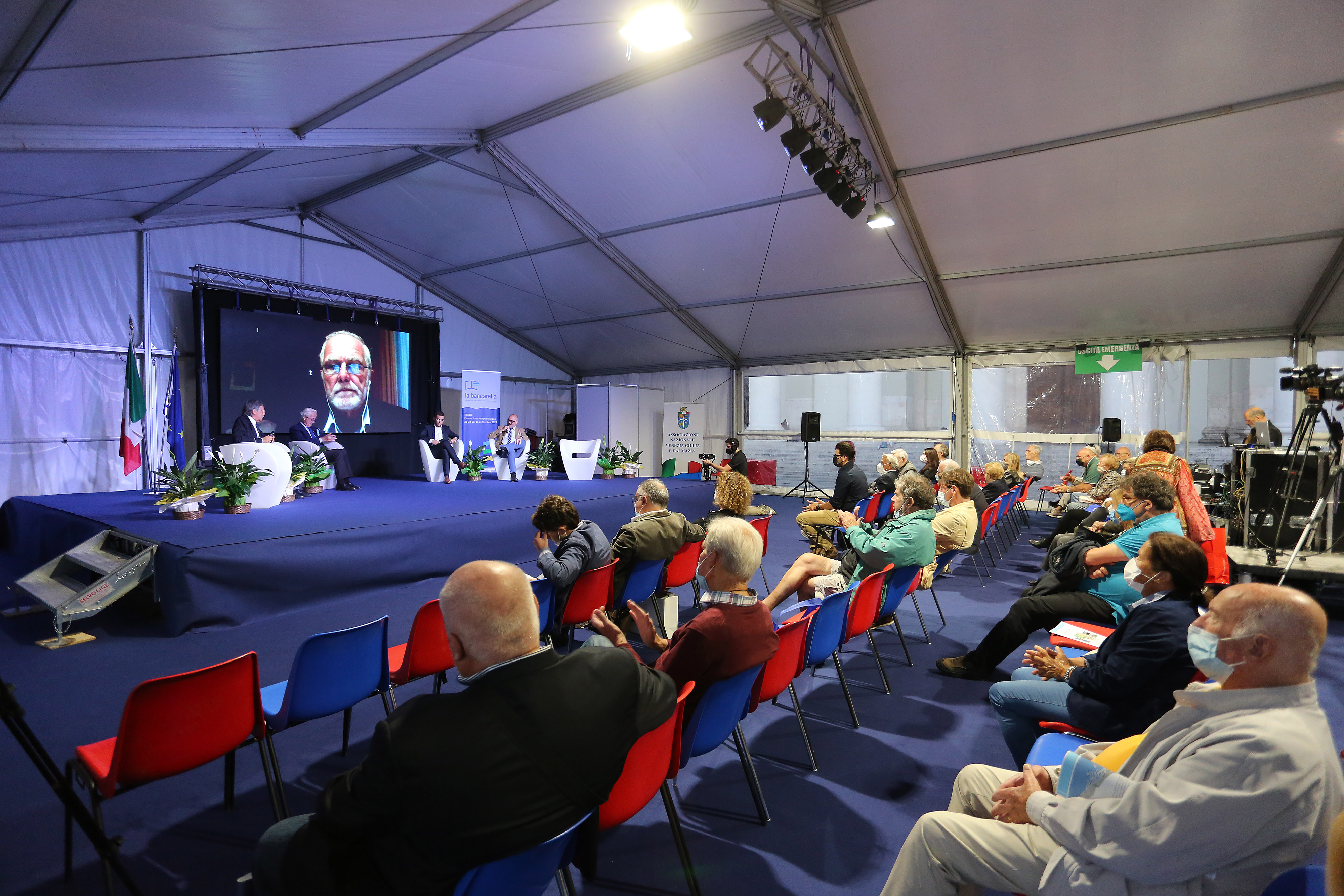
The presentation of the agreement signed on July 29th in Zagreb between Federesuli and the Italian Union received significant feedback . The event was attended by Giuseppe De Vergottini, president of the Federation of Associations of Istrian, Rijeka, and Dalmatian Exiles; Marko Gregorič, representing the president of the Italian Union of Istria, Maurizio Tremul; Giorgio Tessarolo, vice president of the Istrian Communities and member of the commission on Law 72; Davide Bradanini, Italian Consul in Rijeka; and Franco Papetti, vice president of Federesuli. This agreement, as those present repeatedly emphasized, represents a significant leap in quality in relations between the organizations representing the world of exiles and the Italian national community in Croatia and Slovenia. The agreement aims to promote cultural and institutional activities aimed at protecting and enhancing the cultural and historical identities of Istria, Rijeka, and Dalmatia, particularly encouraging the development of joint projects. The meeting was moderated by the national president of the ANVGD and the Council of Ministers, Renzo Codarin.
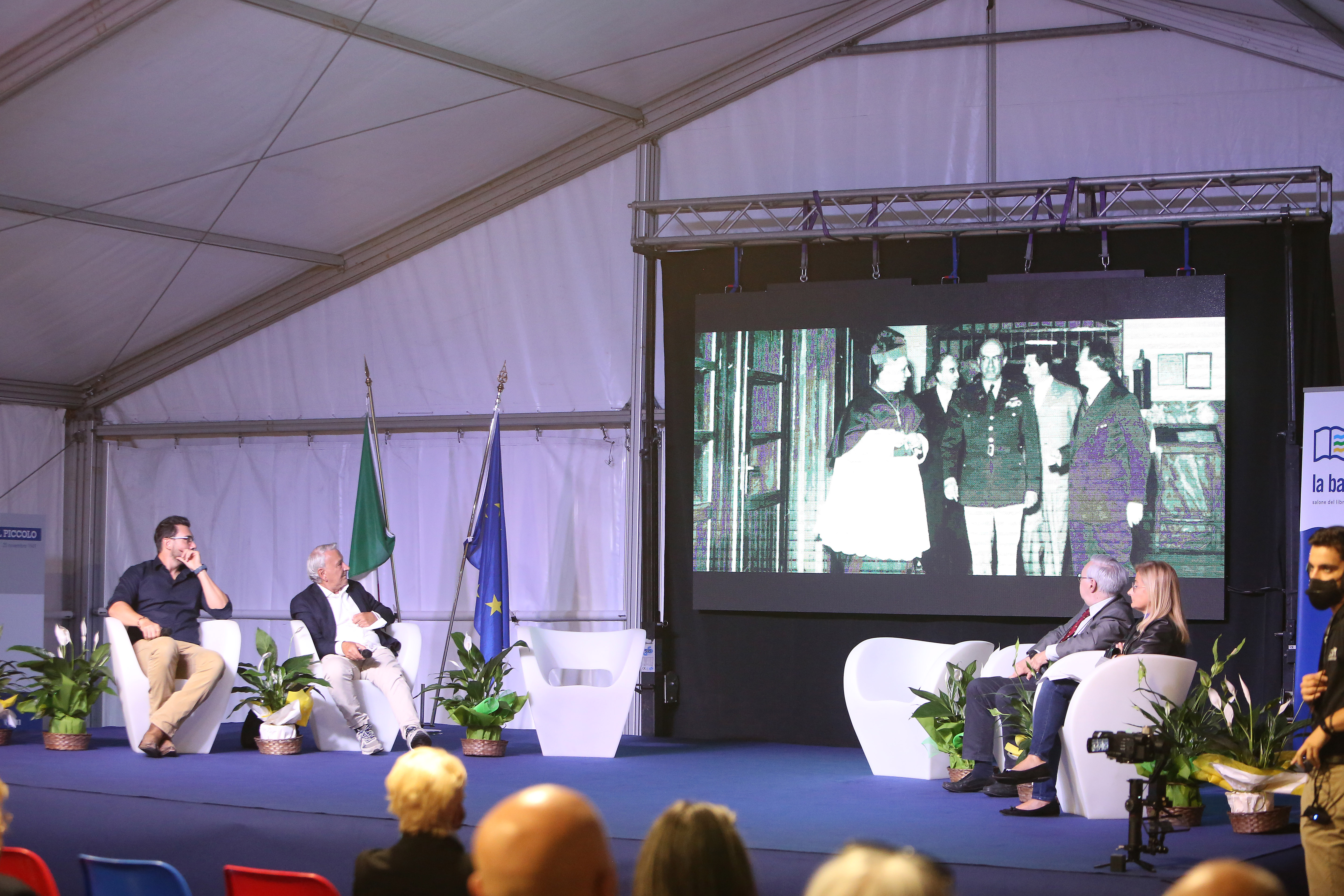
The day concluded with a film screening: in the evening, documentaries were shown on "Il Bosco di San Marco," the wooded area adjacent to Montona that over the centuries served as a reserve of wood for the construction of Venice, and on Monsignor Santin. Both documentaries were supervised by film producer Alessandro Centenaro, director Giovanni Ziberna, the president of the Fameja Montonese, Simone Vicki Peri, and Alessandro Cuk, journalist, film critic, and national vice president of the ANVGD.
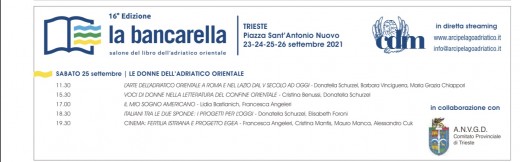
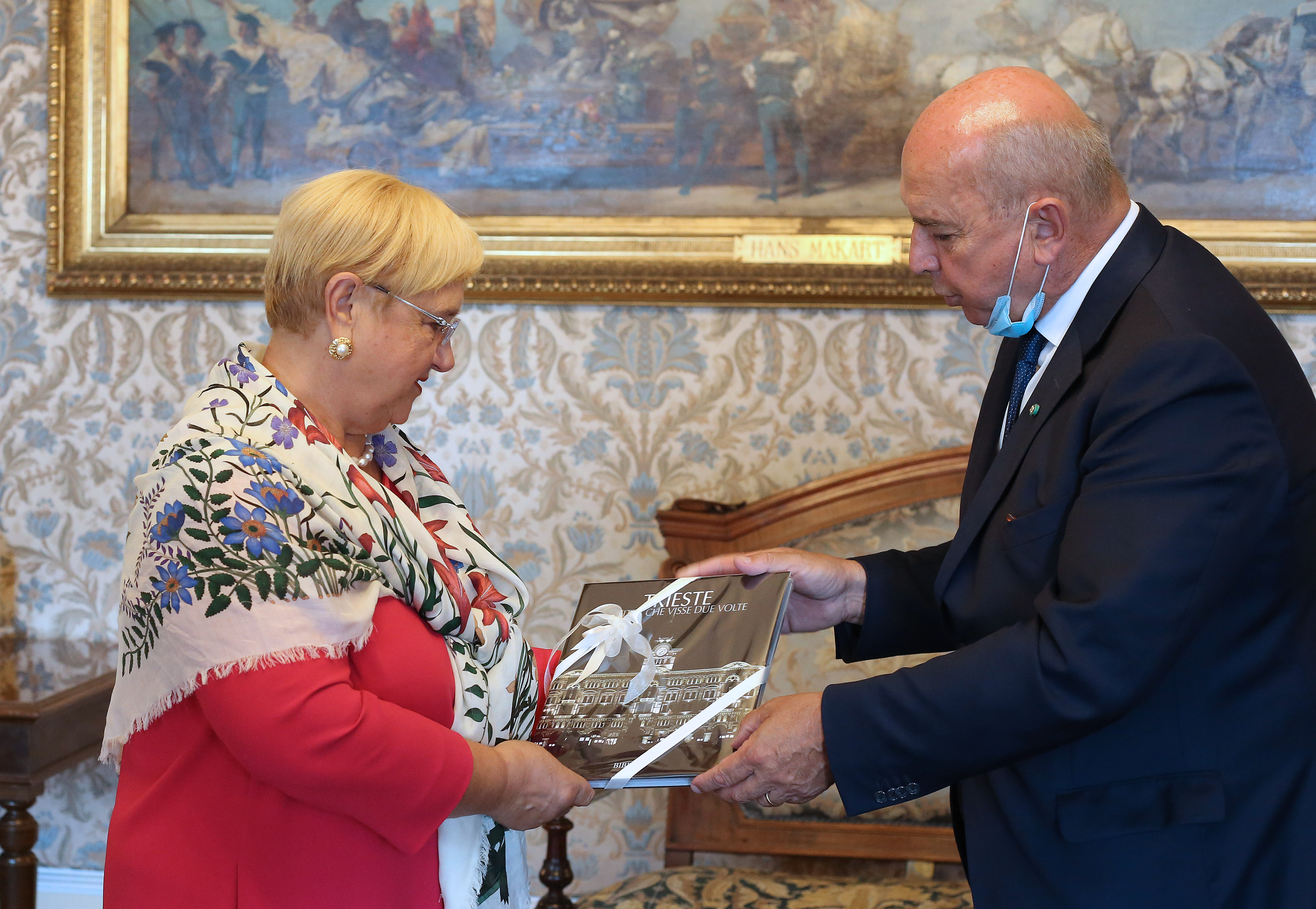
Today, Saturday 25 September, will be the turn of the highlight of the four days, namely the presence of the well-known internationally renowned chef, Lidia Matticchio Bastianich, exiled from Pola and established with her restaurant chains in the United States, who at 17 pm will talk with the journalist of Corriere della Sera, Francesca Angeleri, in the presentation of her book “My American Dream”. The mother of the famous Joe was received by the mayor of Trieste, Roberto Dipiazza, in the blue living room of the town hall. «I have loved Trieste ever since I came here as a child – Bastianich stated during the meeting – when we lived in via Rittmeyer. I have cultivated a passion for cuisine linked to my native culture, to Italianness. Once in America, I had the key to Italian taste and I was accepted and appreciated for this as a 'conductor' of our culture. Americans really like Italian cuisine, with influences from Istria and Friuli Venezia Giulia – he added – they especially love traditional dishes, gnocchi accompanied by various types of sauce and condiments and especially sardoni in saor».
It will also be an all-female day, Saturday, whose theme will be precisely “Women of the Eastern Adriatic”. The day will start as always at 11.30:15.30 with the round table dedicated to the art of the Eastern Adriatic in Rome and Lazio from the fifth century to today, by Donatella Schürzel, university professor and vice president of the Anvgd, Barbara Vinciguerra, PhD student in documentary sciences and Maria Grazia Chiappori, PhD student in European history. At XNUMX:XNUMX we will talk about women in the literature of the eastern border, with Cristina Benussi, full professor of Italian literature at the University of Trieste and Donatella Schürzel herself.
Immediately after the presentation of Bastianich's book, the project "Italians between the two shores: projects for today" will be illustrated; the day will end with the event "Fertilia istriana and the Egea project", with Francesca Angeleri, the director Cristina Mantis, Mauro Manca, director of the Egea museum and Alessandro Cuk.
All events can be followed live on the websites www.anvgd.it and www.arcipelagoadriatico.it