Language
 English

After June 12, 1945, Tito's massacres continued
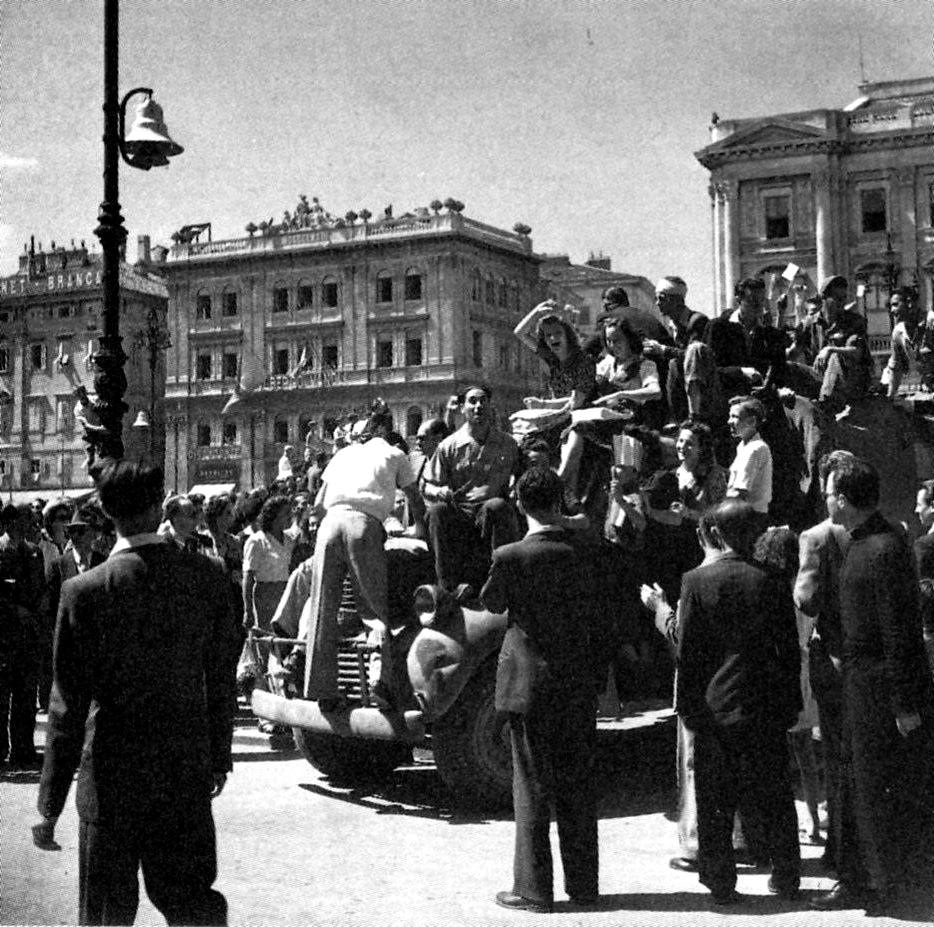
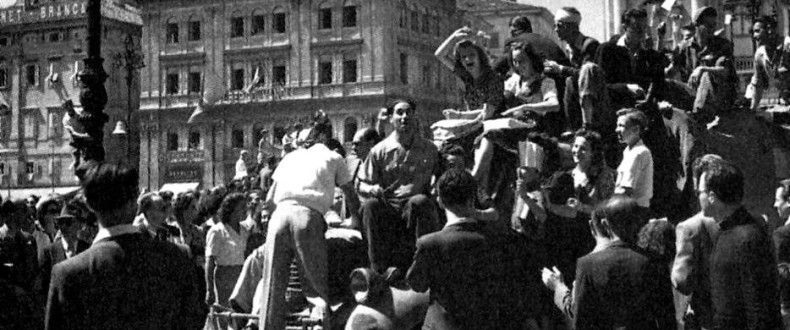
The entry of Yugoslav troops into Trieste, Gorizia, Fiume and Istria at the beginning of May 1945 completed the transformation of a national liberation struggle into an expansionist project that went beyond the internationally recognized borders of pre-war Yugoslavia. This is why June 12, 1945 can be considered a liberation for Trieste and Gorizia from the violent and mournful presence of Josip Broz “Tito”'s partisans. On the 16th, Pola also experienced a temporary liberation, but for the rest of Istria and Fiume, the process of absorption into Tito's nascent communist regime and the annihilation of the native Italian community continued under the formal guise of Yugoslav military administration.
While the people of Trieste, Gorizia, and Polesine were able to celebrate the consolidation of the Anglo-American military presence (instrumental to the control of the communication routes that linked the Julian port with Austria and Central Europe), violence continued in Fiume and Istria (with its epicenter in Koper, where Bishop Santin risked lynching and there were incidents with deaths and injuries during protests against Yugoslavia), disappearances (the most striking episode being that of Don Bonifacio being married off for hatred of the faith ) and elimination of elements opposed to annexation to Yugoslavia (the annihilation of the National Liberation Committee of Istria and the arrests of Fiume autonomists). The pile of rubble that remained of Zara after a year of heavy Anglo-American aerial bombardment had been occupied by the "Titoites" as early as November 1944, had suffered the martyrdom of the "blue foibe" ("The Adriatic is our foibe" recalled the Dalmatian Ottavio Missoni) and now seemed beyond any Italian claim.
The Morgan Line, which was established on the proposal of Scottish General William Morgan on June 9 in Belgrade at the end of negotiations between the Anglo-Americans and the Yugoslavs, from a temporary compromise solution pending the peace conference would have substantially taken on the character of finality. However, it initially followed a different configuration on the Istrian coast, since it envisaged that under the Command and control of the Supreme Allied Commander would fall "Pula and the landing places on the western coast of Istria". On the Istrian coast, however, the Yugoslav occupation forces did not intend to leave so easily, just as some Yugoslav occupation enclaves in the Julian hinterland belonging to Zone A remained, without forgetting the spy network left on the field: the structure that was able to organize the Vergarolla massacre demonstrates the rootedness of these pro-Yugoslav elements.
It was the subsequent Duino agreements that modified the border set in Belgrade and sanctioned the Allies' disinterest in the Istrian coast, who settled for Pola, which Winston Churchill had known as an important naval base since the time of the First World War, when he was First Lord of the Admiralty.
On the one hand, 12 June 1945 marked a step towards rapprochement between Trieste and Gorizia towards Italy, whose public opinion was then following with interest the events on the eastern border, and on the other it marked the break with the other provinces annexed at the end of the First World War, Trieste's natural hinterland, but destined to be incorporated into Yugoslavia as a result of the Peace Treaty.
Lorenzo Salimbeni