Language
 English

April 25th was not a liberation for all Italians
On the day the Northern Italy National Liberation Committee unleashed the insurrection in Milan and other major cities now abandoned by the retreating Germans, the situation in the far north-east was very different. The Anglo-American troops were far from Venezia Giulia because, once the Gothic Line had been broken through, the priority was to reach the Brenner Pass and from there quickly reach Bavaria, where it was feared that the last desperate German resistance would be concentrated.
Instead, the People's Liberation Army of Yugoslavia marched at forced marches, more interested in reaching Trieste, Gorizia, Pola and Fiume than in regaining control of cities like Ljubljana and Zagreb, whose belonging to Yugoslavia no one would have questioned. Already after 8 September 1943 in Istria and after the expulsion of the Italo-Germans from Zara in November 44, one had seen what it meant to be "liberated" by the troops led by Marshal Josip Broz, known as Tito: the elimination not only of former fascist leaders, but also of the most important elements of native Italianity and of those who represented the presence of the Italian State through their institutional and social role.
Such a political purge was a preparatory step towards the annexation to the reborn Yugoslavia of provinces that were internationally recognized as belonging to Italy, which, however, having signed the unconditional surrender, no longer represented a subject of international law.
To further complicate the situation, the PCI had not only abandoned the CLN to join the partisan struggle led by Tito which demanded the annexation of Venezia Giulia to communist Yugoslavia, but had also eliminated the leaders of the Osoppo partisan brigade at the Porzus mountain huts, guilty of being both anti-fascists and patriots and anti-communists and therefore opposed to Yugoslav expansionism.
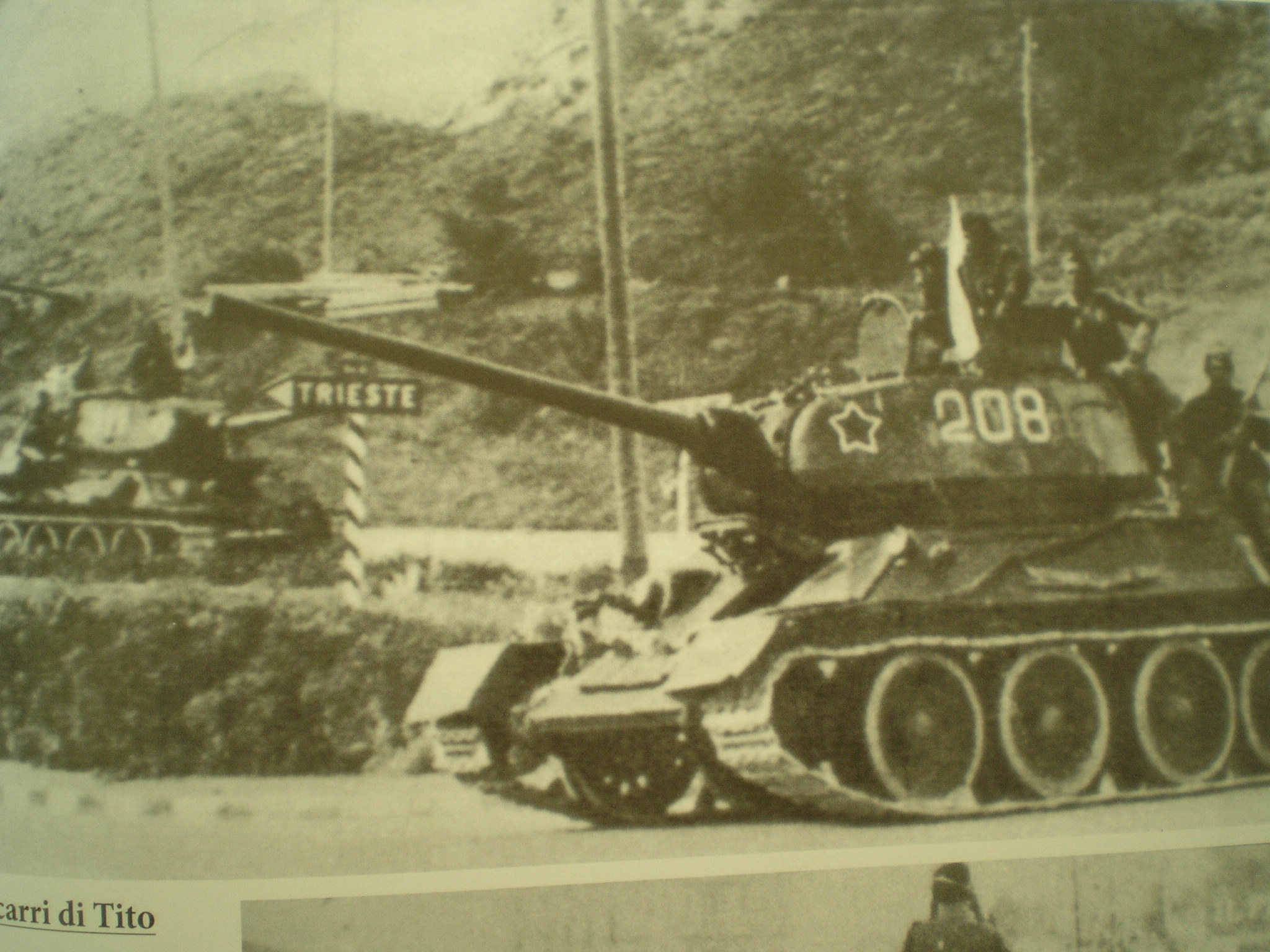
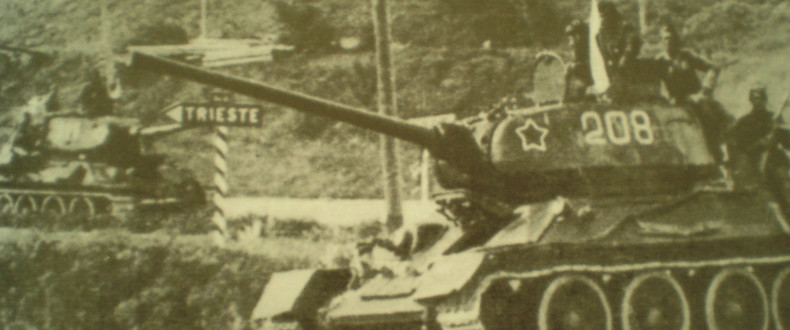
Aware of these tragic precedents, the Volunteers for Freedom of Trieste unleashed the city insurrection on April 30, confident in the arrival of the New Zealand troops who were finally advancing in the Friulian plain. The German troops barricaded themselves in some easily defensible positions, but on the morning of May XNUMXst the Slovenian and communist partisan formations operating in the outskirts and suburbs were able to rejoice because the so-called “race for Trieste” had been won by Tito, whose vanguards were entering the Julian capital.
In the following days, while the CLN of Trieste was being ousted and demonstrations of Italianity were being repressed with deaths and injuries, a new foreign occupation began in Gorizia, Fiume and Istria. Roundups organized thanks to the spy network set up by the OZNA – the Yugoslavian secret police – led to the arrest, deportation or throwing into sinkholes of hundreds of opponents of the Yugoslavian annexation project, including former partisan fighters. Fearful of causing friction with Stalin – who was still a precious ally, in that final phase of the Second World War, to crush Japan – the Anglo-Americans did little or nothing to stop a massacre that would have claimed about 10.000 victims, also considering the soldiers taken prisoner and then massacred in contempt of the conventions of war.
As early as June 9, they convinced Tito to leave at least Trieste, Gorizia and Pola, which thus passed under the Anglo-American military administration, as they were considered important locations for the supply lines destined for the troops that had taken control of Austria. In the rest of Istria and in Fiume, the persecution of Italians would continue in a climate of terror, which would have induced 90% of the native Italian community to abandon the lands where they had lived rooted for centuries. The slogan of the Italo-Yugoslav brotherhood in the name of anti-fascism was a veneer behind which were hidden the old Slovenian and Croatian expansionist projects also aimed at cities and territories in which the Slavs were a minority, where the Italians were considered fifth columns of a State that had entered the sphere of influence of the capitalist world led by the United States and therefore it was necessary to ensure their ideological loyalty or elimination or removal.
For the Italians of the Eastern Adriatic, April 25 has traditionally represented the anniversary of Saint Mark, whose winged lion was the symbol of the Most Serene Republic of Venice that for centuries kept Istria and Dalmatia connected to the Italian peninsula, safeguarding their language and culture. Today it has become the date to remember that the Liberation did not concern all Italians and that in that spring of 1945 in the lands annexed after the sacrifices of the Great War another foreign occupation was beginning that on February 10, 1947 would receive the consecration of a Peace Treaty that unloaded on the people of Istria, Fiume and Dalmatia the burden of an Italy that had emerged defeated from the Second World War.
In a climate of true pacification, the History of the Eastern Adriatic should be a national heritage, no longer locked away in a local, unknown, irrelevant page.
David Rossi – Lorenzo Salimbeni
Source: L'Adige di Verona – 25/04/2021