Language
 English

Bringing justice to innocent victims of hatred and violence
Author :
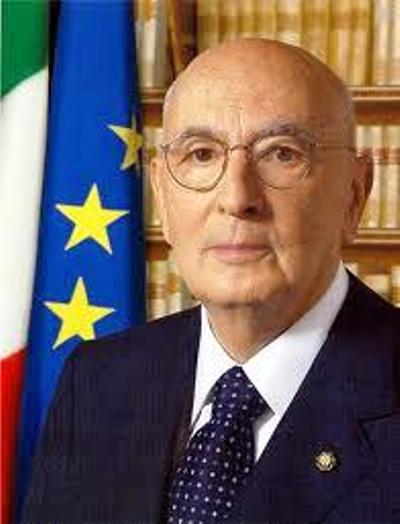
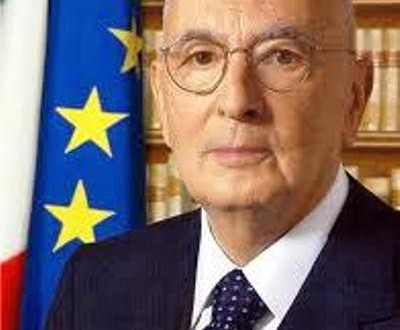
"First of all, I owe heartfelt gratitude to the Hon. Lucio Toth, for having retraced with absolute punctuality and completeness the path that we have traveled together in these seven years - celebrating 'the Day of Remembrance' - to render justice to the Italians who were innocent victims - in horrifying barbaric forms, those that are summarized in the indelible word 'foibe' - of a movement of hatred, of blind revenge, of domineering violence, which marked the bloody conclusion of the Second World War along the eastern border of our homeland. And to which was added the tragic odyssey of the exodus of hundreds of thousands of Istrians, Fiume and Dalmatians from their lands and those of their ancestors". The President of the Republic, Giorgio Napolitano, said this during the celebration of the "Day of Remembrance" at the Quirinale. "It was necessary to start from a commitment to truth - continued the Head of State - against any ideological reticence or opportunistic removal, in order to arrive at reconciliation. And on the basis of a discourse of truth about the suffering of the Italians and the brutality of the most ruthless Titoist factions - a discourse that initially caused us some polemical reactions on the other side of the Adriatic, but then prevailed because it was intertwined with our severe reflection on the guilt of fascism - it was therefore, on the basis of a discourse of truth, that it was possible to reach the goal of reconciliation, that is, of mutual recognition with the Slovenian and Croatian authorities and public opinion, and of the common commitment to a sea of peace in a Europe of peace. A commitment that overcomes any residual or new cause for friction and addresses the problems that remain unsolved." "This rapprochement and this meeting that we can be happy about today were made possible - President Napolitano noted - also by the change in historical time: because the two presidents with whom I paid homage in Trieste at the monument dedicated to the exodus of Italians did not bear any responsibility for the degenerations of Yugoslavian communism, which took place when they were not even born and with whose historical legacy they had broken by working for the construction of a European-inspired democracy in the new Slovenia and the new Croatia". The Head of State concluded his celebratory speech by making an "explicit question that perhaps creeps in: but haven't we already said everything about events from 70 years ago? Does it make sense to return to this at every Remembrance Day? Well, yes, it makes sense, we have to respond. It makes sense to be close to those who lived through that tragedy and can still bear witness to it, to be close to their children and grandchildren. Reconciliation does not mean giving up memory and solidarity. And it makes sense because the more young people, the kids of today, become immersed in every important passage, every painful moment of our history as Italians - and I am also thinking of the upcoming celebrations of the First World War - the more our national cohesion will be strengthened and, together with it, our voice in Europe will be strengthened". Giorgio Napolitano