Language
 English


The celebrations of June 12th in Trieste, Gorizia and Monfalcone
Official celebrations for the solemn anniversary of June 12, newly established by the respective municipal administrations to commemorate the day in 1945 when the occupation of the Yugoslav partisan troops ended, took place today in Trieste, Gorizia and Monfalcone. For forty days they carried out deportations, killings in the foibe and persecutions not only of former fascists, but even of local anti-fascist patriotic elements opposed to the annexation of Venezia Giulia to Tito's communist Yugoslavia.
The initiative was launched by the Mayor of Trieste Roberto Dipiazza, whose council approved his proposal to establish the “Liberation Day of the City of Trieste from Yugoslav occupation”. The entry of Yugoslav troops into Trieste, Gorizia, Fiume and Istria at the beginning of May 1945 completed the transformation of a national liberation struggle into an expansionist project that went beyond the internationally recognized borders of pre-war Yugoslavia. This is why 12 June 1945 can be considered a liberation for Trieste and Gorizia from the violent and mournful presence of Josip Broz “Tito”’s partisans. On the 16th, Pola also experienced a temporary liberation, but for the rest of Istria and Fiume, the process of absorption into Tito’s nascent communist regime and the annihilation of the native Italian community continued under the formal guise of Yugoslav military administration.
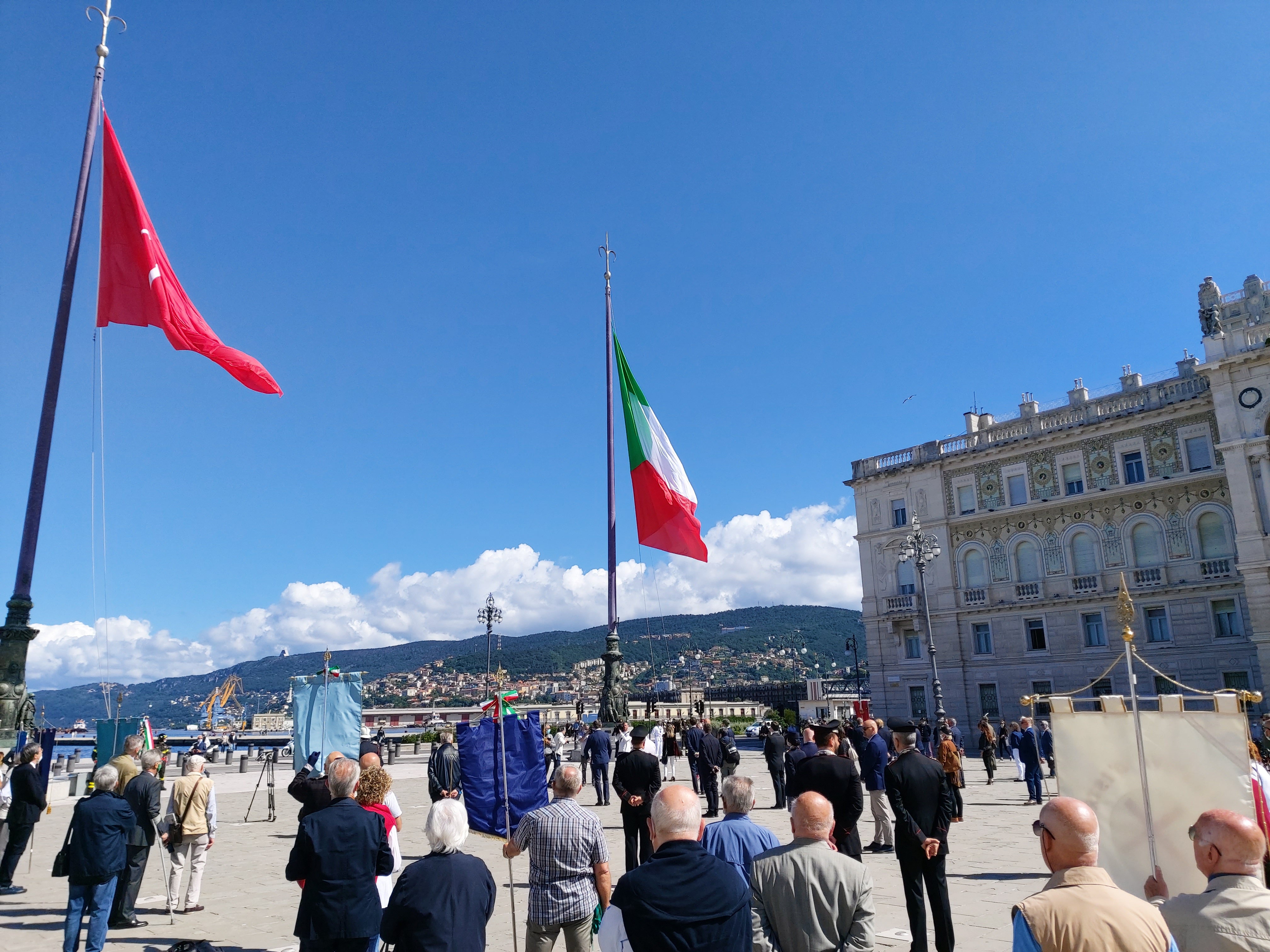
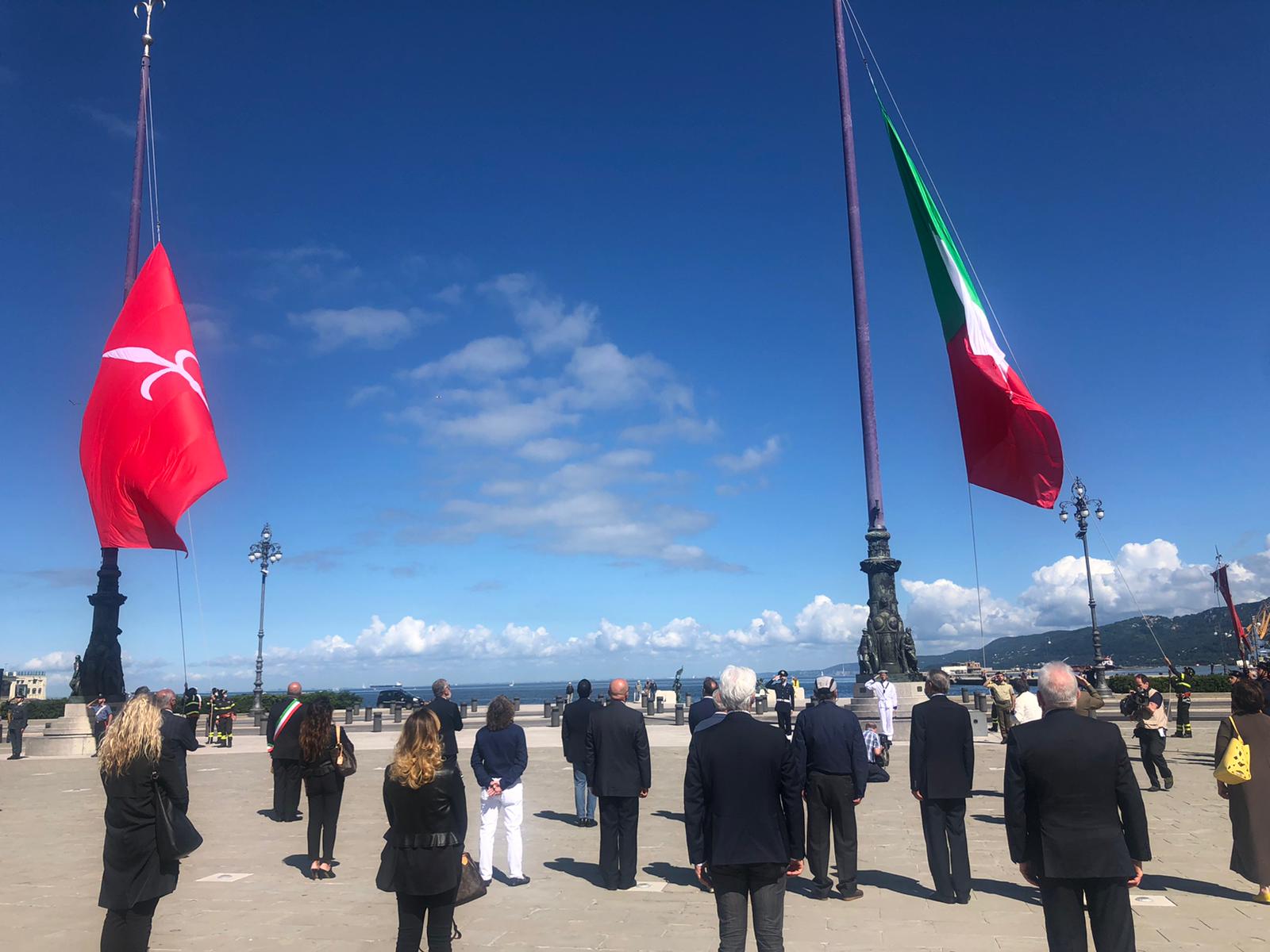
The Trieste ceremony was marked by a suggestive flag-raising ceremony in Piazza dell'Unità d'Italia, attended by local authorities and representatives of the Istrian, Fiume and Dalmatian exile associations, including a delegation from the National Association of Venezia Giulia and Dalmatia. The national president and president of the provincial committee of Trieste, Renzo Codarin, underlined the importance of this celebration, through which to remember «the suffering endured not only by the people of Trieste during the Forty days of Yugoslav occupation, but also by the exiles who today reside in the Julian capital, having had to abandon the lands of the eastern Adriatic where they had lived rooted for centuries due to the persecutions of the Titoist regime».
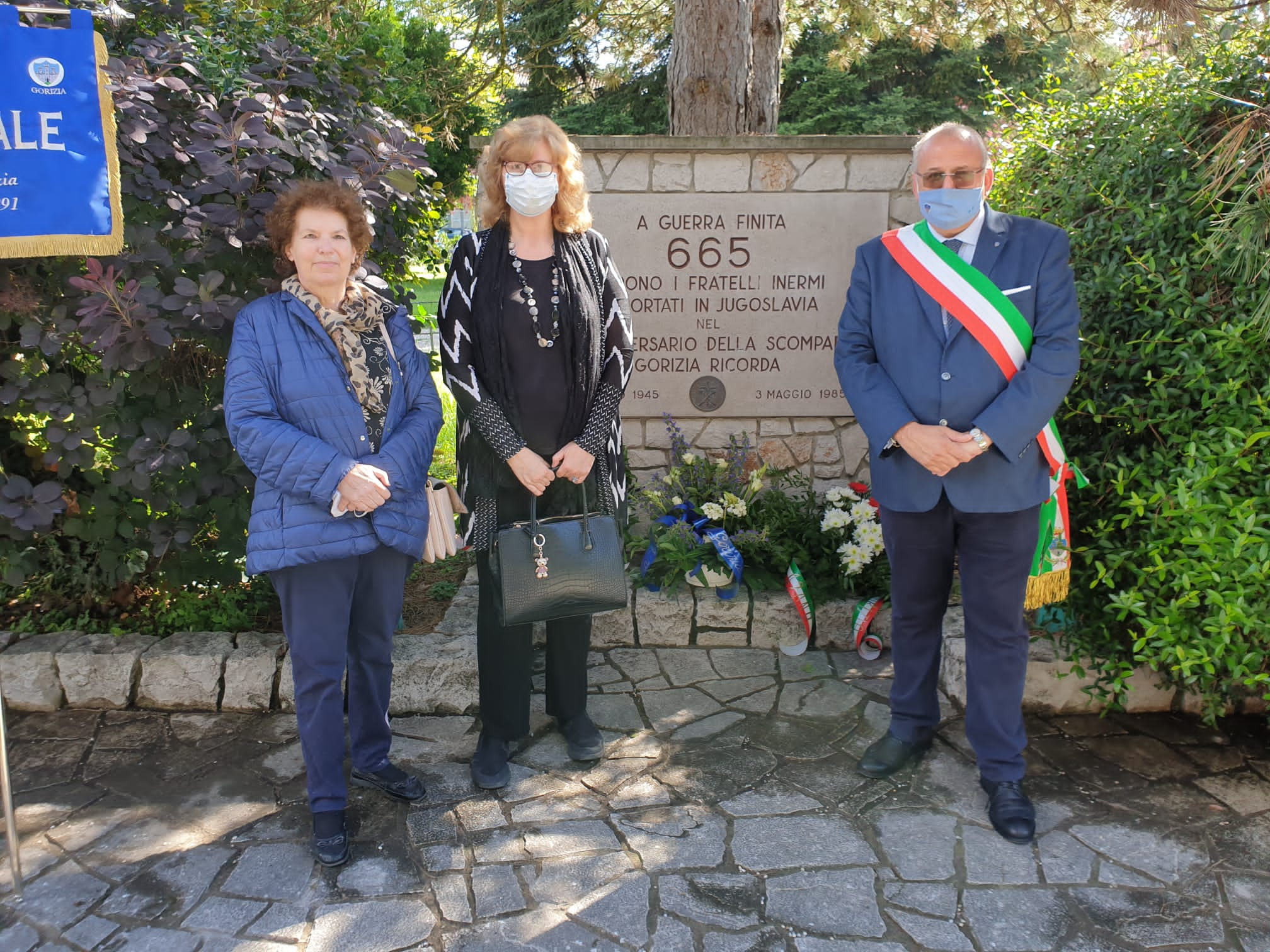
Mayor Rodolfo Ziberna celebrated, in the presence of some leaders of the Provincial Committee of the ANVGD and the National League of Gorizia, among others, the Liberation of the Isonzo capital, recalling the tragedy of over 650 fellow citizens "deported after the war for the sole "guilt" of being proudly Italian and of being able to represent a danger for the realization of Tito's annexationist ambitions".
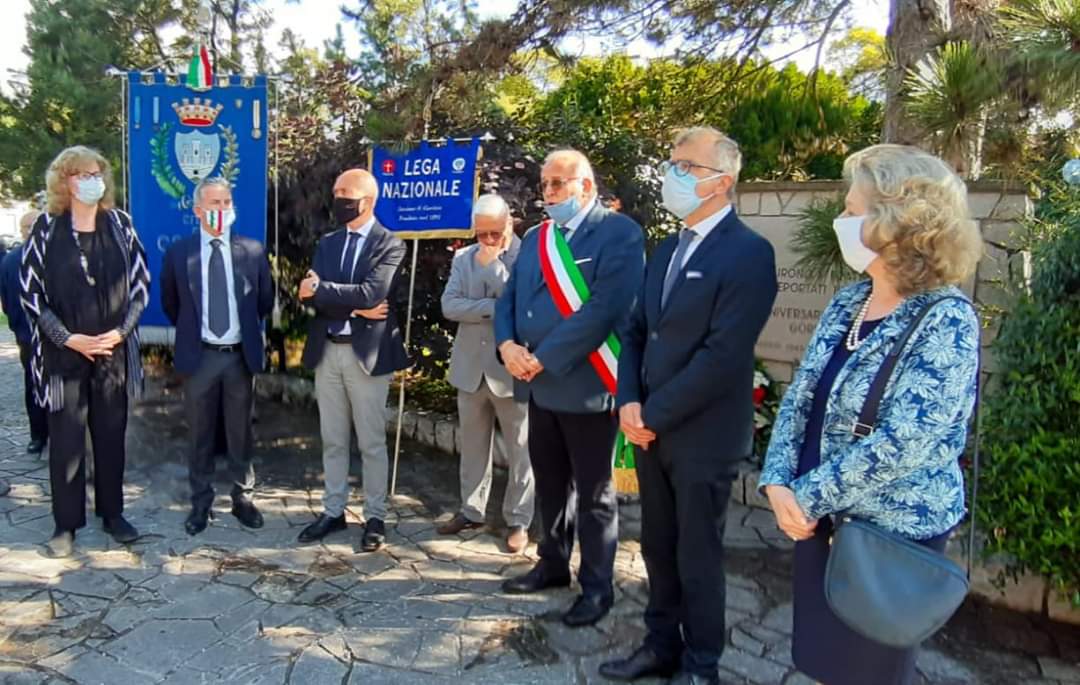
The mayor of Gorizia specified: «We naturally recognize ourselves in the national anniversary of April 25, we condemn the abuses suffered by the local Slovenian community in the fascist era, but we want to commemorate on June 12 what was in all respects the end of the Second World War for Gorizia».
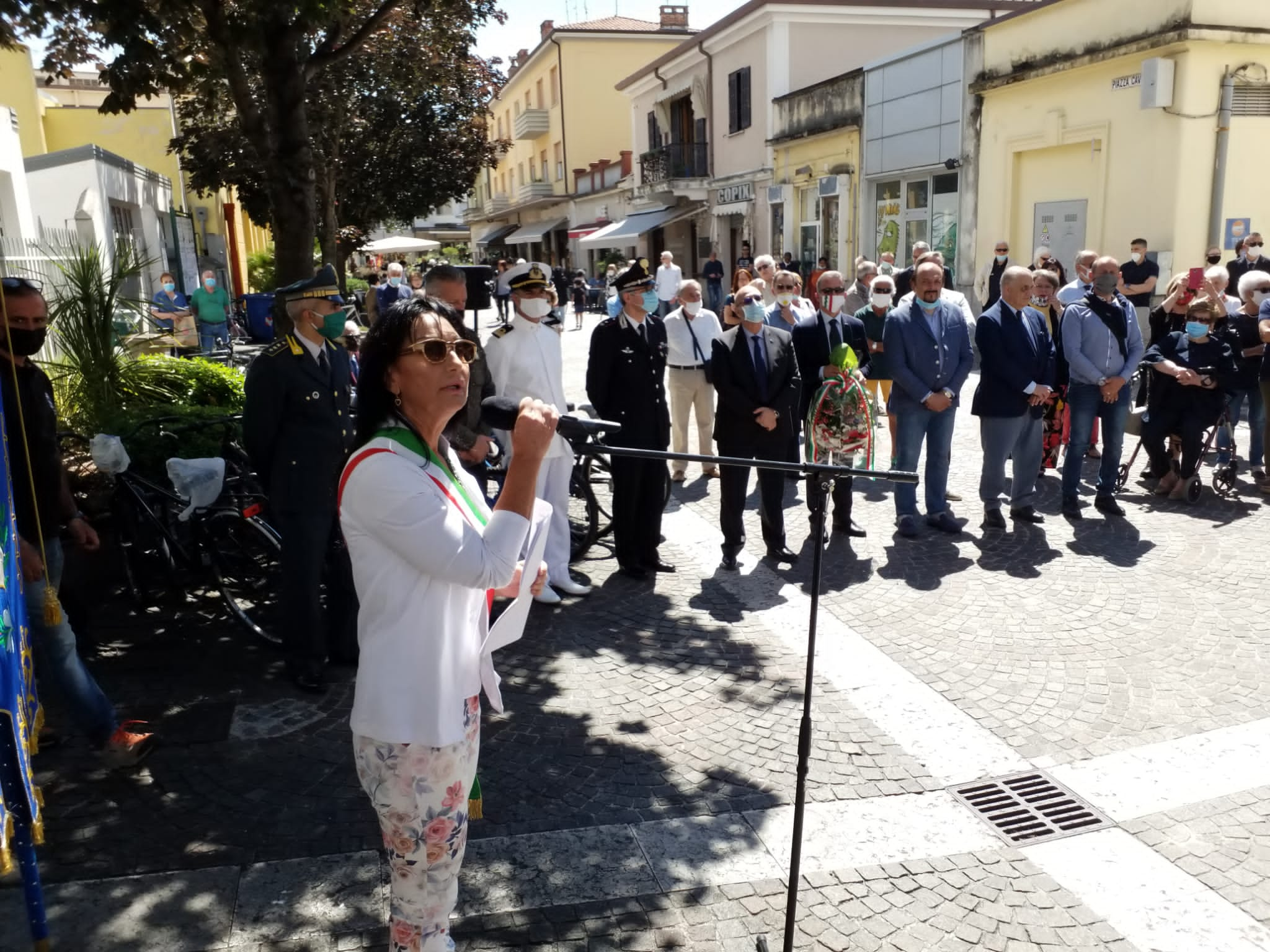
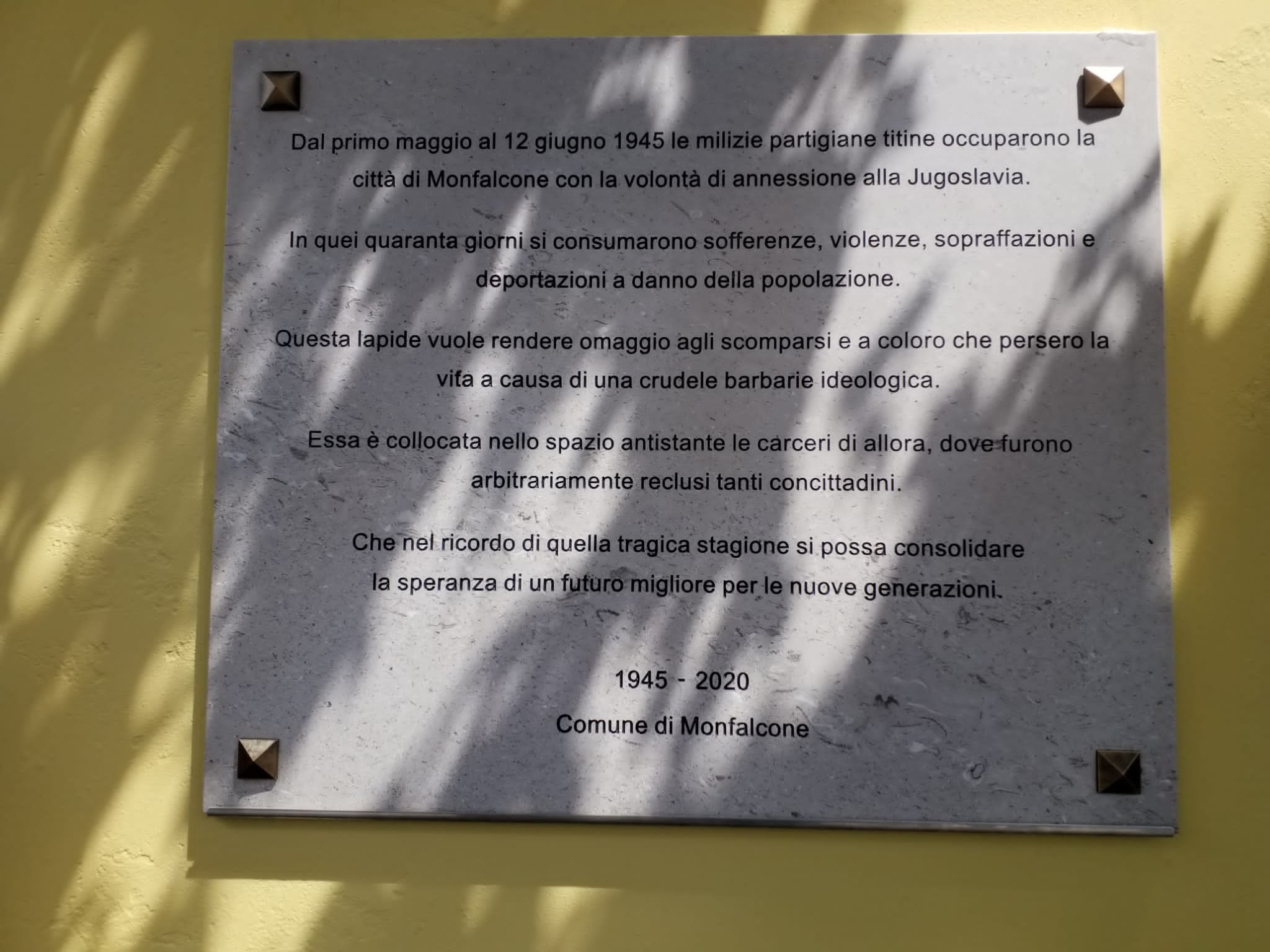
The ANVGD delegation of Monfalcone participated, in compliance with the current safety provisions, in the inauguration of the plaque requested by Mayor Anna Cisint, who stated that it is "a reminder of the value of the Italian identity of Monfalcone, manifested by the population in the most difficult moments of the past twentieth century and for which many have sacrificed themselves. The city is called to unite in homage to the victims of a period, short, but pregnant with abuses and missing persons to keep alive the pride of Italianness and the love for the homeland of our people".
"It was not just a local celebration - declares, finally, the national vice president and president of the Rome committee of the ANVGD Donatella Schürzel - but an anniversary that requires a national reflection on the consequences of the end of the Second World War on the eastern Italian border. Establishing the anniversary on June 12 was appropriate and above all right. An act of justice for the tragic events that also upset the lives of hundreds of Istrians, Fiume and Dalmatians who had to rebuild their existence in Rome, as well as in many other Italian locations or even on other continents"
Lorenzo Salimbeni