Language
 English

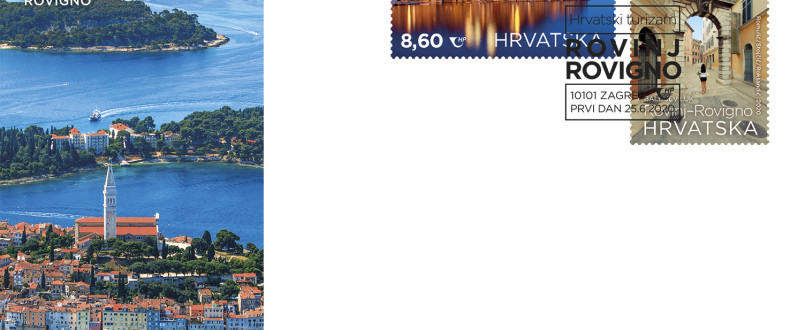
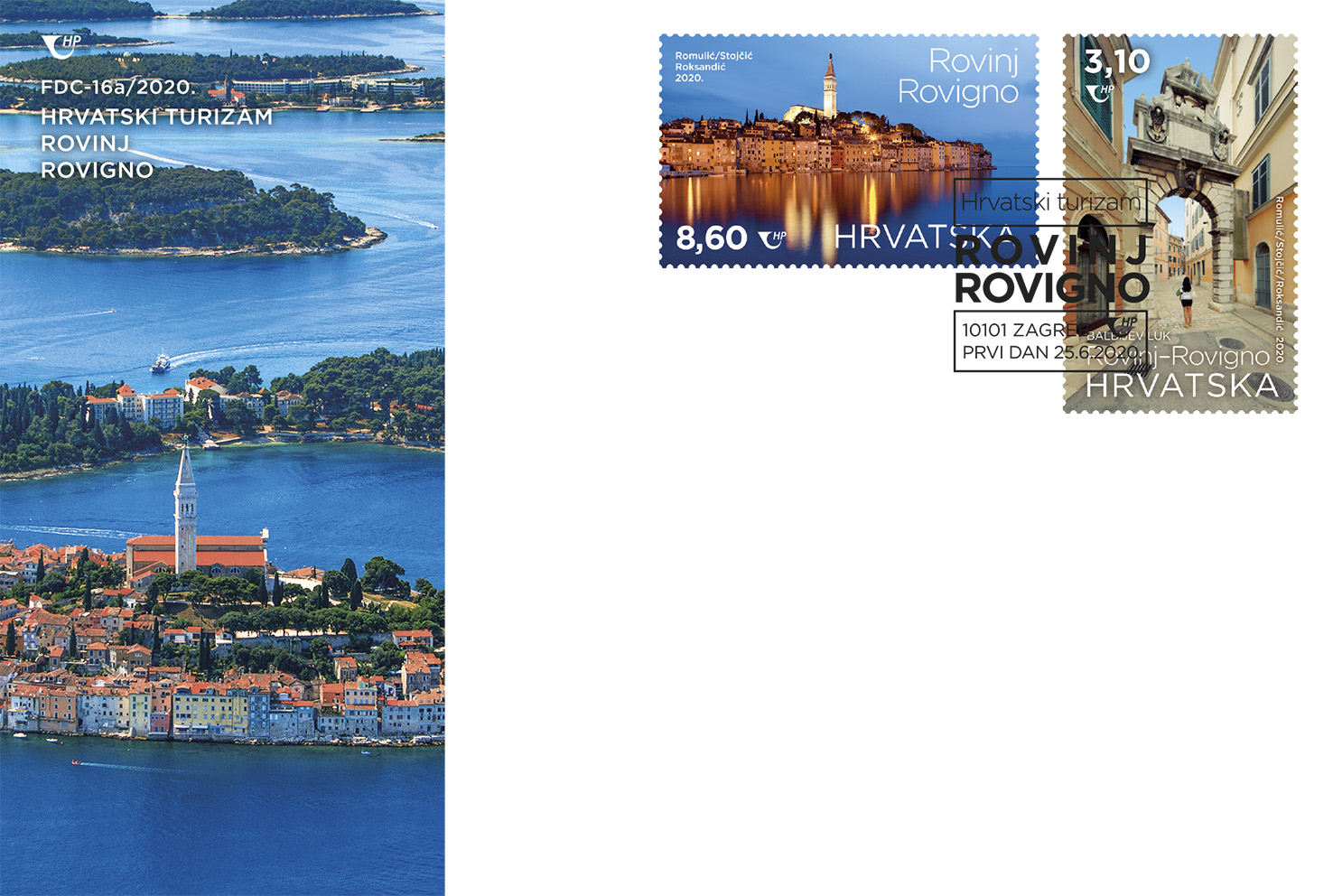
Croatian Post has issued bilingual stamps dedicated to Rovinj
The National Association of Venezia Giulia and Dalmatia is pleased to see that the Croatian Post Office has kept its promise to reprint the stamps dedicated to Rovigno d'Istria with the official bilingual denomination: "We moved heaven and earth - says Donatella Schürzel, deputy national vice president of the ANVGD - but it was worth it. To all those who contributed and supported the commitment that I made to this end, I extend my heartfelt thanks. I personally contacted Italian diplomatic representations in Croatia and Croatian ones in Italy, the Community of Italians "Pino Budicin" and the association of Rovinj exiles "Famia ruvignisa", institutional representatives in Istrian local authorities and in the Croatian Parliament: when everyone's energies are combined, as was the case on this occasion, you get recognition".
At the press conference presenting the first version of the stamp, bearing only the wording "Rovinj," it was assured that a new print run would take into account the suggestion of Senator and philatelic expert Carlo Amedeo Giovanardi, shared by Professor Schürzel, to produce a second edition corrected in accordance with Croatian legislation protecting minorities. This legislation, as recently amended by the Hon. Furio Radin (Italian representative at the Zagreb Sabor ), specifically lists places with bilingual names.
"It is the first time since the Second World War - explains the national director of the ANVGD, a second-generation exile originally from Rovinj - that a toponym appears on a stamp related to Istria in two languages, Croatian and Italian. Since this issue is part of a series of stamps dedicated to Croatian tourist destinations, we hope that future new releases inspired by Istrian cities will immediately have the official Italian-Croatian denomination, in line with the many regulations that protect the legacy of the centuries-old Italianness of the eastern Adriatic"
Lorenzo Salimbeni