Language
 English

Mothers in Tito's Gulag
David Grossman tells the tragic story of Panić Nahir (Vera) and her daughter, Tiana Wages (Nina), in the former Yugoslavia
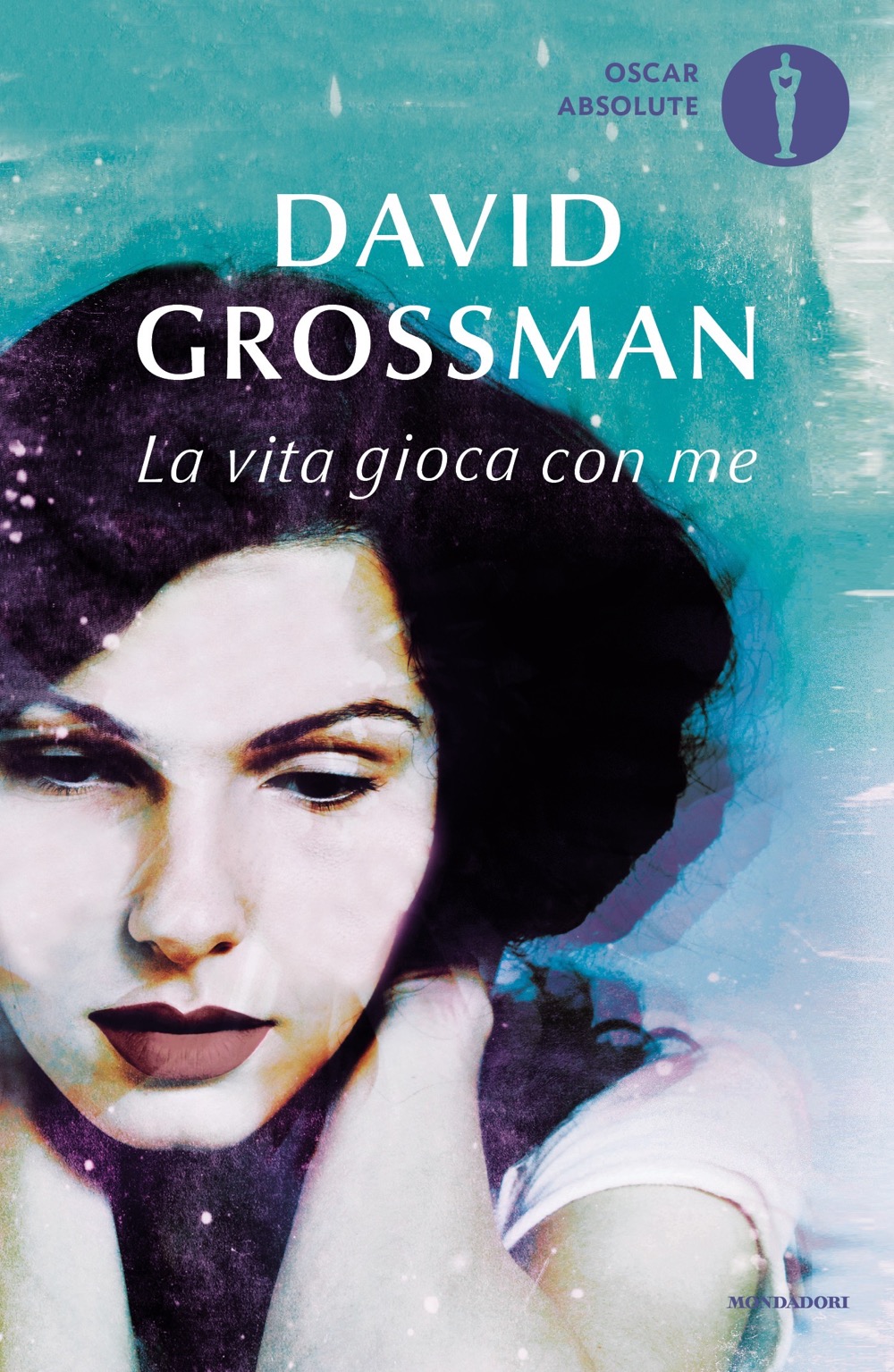
Panić Nahir, in the novel Life Plays with Me by David Grossman (Mondadori, translated by Alessandra Shomroni) is simply called Vera. Her daughter Nina, in reality, is Tiana Wages. Eva had asked David Grossman to write her story and that of her daughter. And the Israeli writer had agreed to tell it in turn and reinvent it, in his own way. When the book was written, in February 2019, Eva was no longer there. So her story, well known in former Yugoslavia, tears the veil of darkness on Tito's gulags and, in particular, on the horrors of the re-education camp on the island of Goli Otok. Called "Alcatraz of the Adriatic". But what unfolds, page after page, is also the story of how one cannot escape from the past, from its truth as well as from its lie, stitched together without peace. It is also a novel about the role of the mother, about the inexorable fact that “there are no make-up exams for mothers”. It is also a story of abandonment, of abandonments. From one abandonment another sprouts. The past is the real detention camp:
“If for fifty-odd years you try to forget one thing, for example that your mother abandoned you when you were six and a half, you end up forgetting everything.”
Nina's daughter is called Ghili and was abandoned by her mother at the age of three and a half. Her mother, Nina, had been abandoned by Vera at the age of six and a half. But it had not been a real abandonment. The mother had been deported to the island of Goli Otok because she had been unjustly accused of being a Russian spy in the service of Stalin, like her husband. In life we often find ourselves at a crossroads: "reveal the dark secret of our life or continue to lie?". But, at a certain point, we feel the urgency to know what the truth is. Taking into account that we might hurt, and be hurt. ""What happened, happened," Vera murmurs, "and we have to accept it." "But suppose, Mom, it's just a question, for example, if they had" "What? Say it clearly, Nina." "No, I was thinking... if they had" "What? If they proposed what to me?" Vera screams bitterly, beating her thighs with her fists. “What could I give him so as not to betray your father? So as not to smear him?”». The fact is that just a signature was enough to decide her fate. It was enough to simply repudiate her husband Novak Miloš, a husband whom Vera loved more than her own life (but who had committed suicide in prison) and who was not a spy for Stalin. What was she supposed to do? In her story, there is a tall, bald officer who tells her, during the interrogation:
“This room has two doors. One on the left, to go home free, to your daughter, and one on the right to Goli Otok for several years of forced labor. You have three minutes to decide.”
The doctor colonel tells her:
“You prefer a dead man to a living child? What kind of mother are you? A woman, a human being.”
Exactly, how do you choose? To decide, in the face of death. In the face of memory, of destiny. In the long shadow of the future that violently cries out against its past. What is the real betrayal? To betray the memory of a love, to tarnish its name, or to steal a little girl's childhood, to fill her with wounds? How do you decide who to betray and who not? In the Alcatraz of the Adriatic, then, there is only darkness and fog. The horror of women beaten, with nailed boards and whips, women who lost eyes, teeth, who lived the nightmare. So, for Ghili, looking at her mother who abandoned her when she was little is like looking for a face in the darkness of a past that continues to resurface, like a corpse.
“It scared me. I felt that sense of fear that you only feel in the presence of darkness.”
Nina, Vera's daughter, has chosen to live in Svalbard, in the Arctic Ocean, almost near the North Pole, on an island full of darkness and ice and to work on a project for the conservation of seeds of edible plants from all over the world. Because she too has been trapped, for fifty-six years, inside a re-education camp.
“Shouldn’t I be re-educated already? Overcome this? Forgiven? Put it all behind me and move on with my life?”
Seeing the fundamental people in our lives after several years…it seems like a movie. It is no coincidence that Ghili and his father, Rafael, a film director, are trying to make a documentary about this story. Speaking of Nina, Ghili speaks of his mother, as if he were talking about another person, not the one who brought her into the world, but then abandoned her, betrayed her.
“As if she hadn’t stopped to think about life. Dad and I are drawn to her face. It feels like we’re watching a movie – yet another movie – that’s been hidden for decades. A film about the life we didn’t have but could have had. Waves of affection, joy, disappointment, sadness pass over Nina’s face. And smiles. Oh God, how warm and calm and simple her smile is. Where was she when I needed her?”
Linda Terziroli – 08/23/2021
Source: The Dissident Intellectual