Language
 English

Milan recognizes the sacrifices of Adriatic Italianness
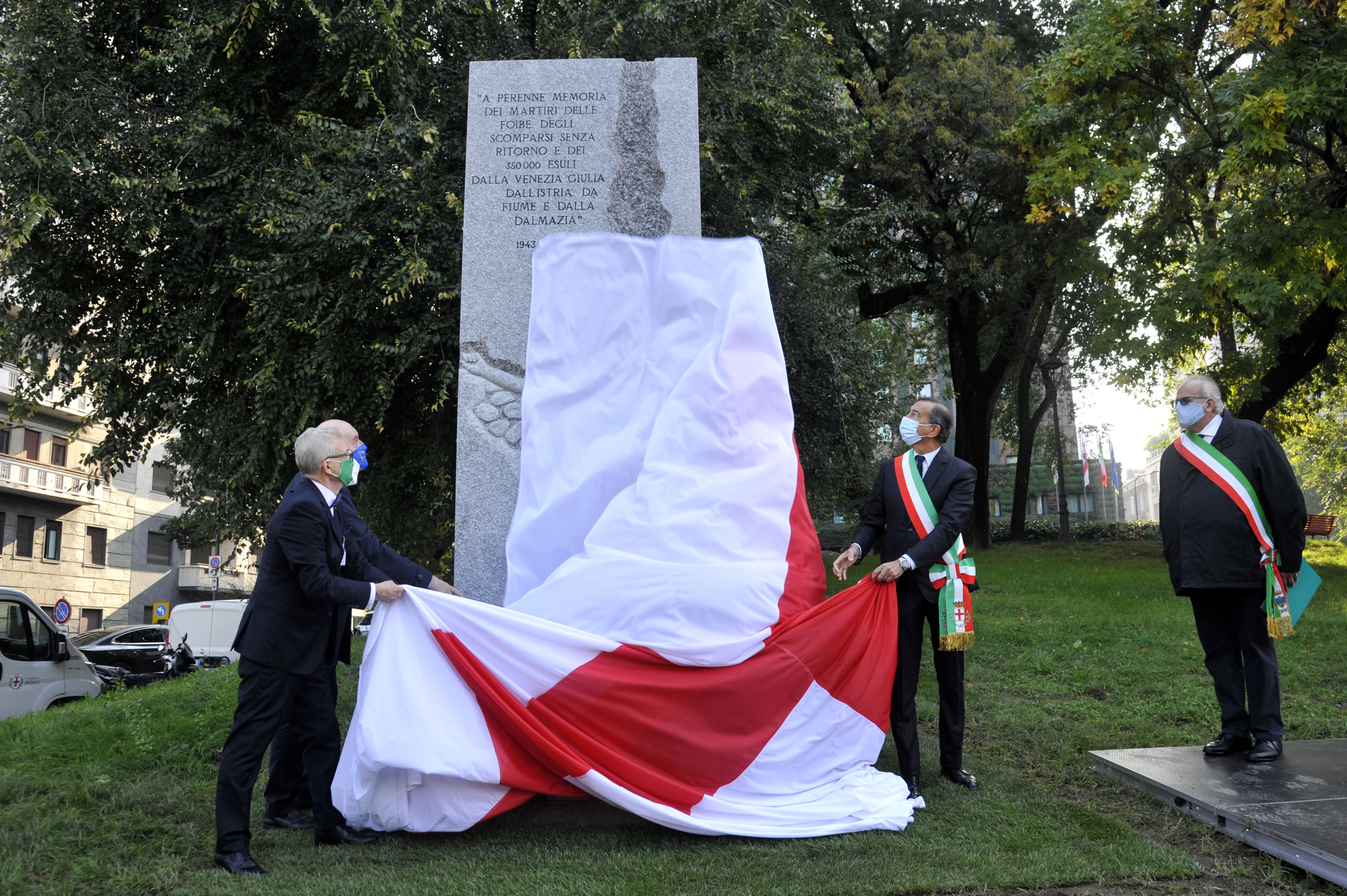
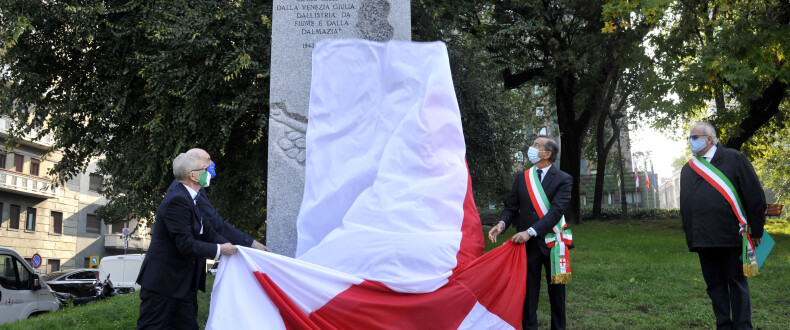
The Federation of Istrian, Fiume, and Dalmatian Exile Associations congratulates the Milan Pro-Monument Committee on the creation of the plaque "In everlasting memory of the martyrs of the foibe, of those disappeared without return, and of the 350.000 exiles from Venezia Giulia, Istria, Fiume, and Dalmatia 1943-1954." The synergy that united the National Movement of Istria, Rijeka and Dalmatia (promoter of the project), the Milan provincial committee of the National Association of Venezia Giulia and Dalmatia , the Association of Italians of Pula and Istria – Free Municipality of Pula in Exile , the Association of Rijeka Italians in the World – Free Municipality of Rijeka in Exile , the Association of Dalmatian Italians in the World – Free Municipality of Zadar in Exile and the World Centre of Istrian-Rijeka-Dalmatian Culture represents the same spirit that informs the action of FederEsuli in coordinating the activities of all its components towards shared objectives.
Thanks are also extended to the Milan City Council for completing the process of creating the monument. The Pro-Monument Committee had found a partner in the government of the previous Mayor, Giuliano Pisapia, who had previously been one of the few parliamentarians to vote against the establishment of Remembrance Day. Mayor Giuseppe Sala has now honored his commitment to working toward the construction of Remembrance. Milan's mayor was keenly aware of the need to involve the Mayors of Trieste, Roberto Dipiazza, and Gorizia, Rodolfo Ziberna, in the inauguration. They represented Venezia Giulia, the region mutilated by the Peace Treaty of February 10, 1947, after suffering massacres, deportations, and occupation by the Yugoslav partisan army of communist leader Tito.
The Lombard capital, although devastated by the bombings of the Second World War, was able to welcome in the immediate post-war period many families of Istrian, Fiume and Dalmatian exiles, who became part of the social fabric of the city and were protagonists of the development of what would soon return to being one of the most important cities in Europe. Last Saturday, Milan wanted to recognize not only the roots and tragic events of this community, tormented by history but always proud of its origins and its Italianness, but also to fully insert itself into the list of cities that have received the message of the Law establishing the Day of Remembrance (L.92/2004), not limiting itself to the ceremonies of February 10.
Fundamental to the realization of the work was the financial support provided by the Bracco Foundation. The latter, today chaired by Diana Bracco, originates from a large pharmaceutical company founded by Fulvio Bracco, a chemist originally from Neresine (a town on the island of Lussino in the Gulf of Carnaro), and which bears witness to the contribution that Italians from the eastern Adriatic have always provided to the cultural, social and economic development of Italy.
This monument, designed by the graphic designer and writer Piero Tarticchio, an Istrian exile whose family was devastated by multiple deaths at the hands of Yugoslavian communist partisans, will constitute a daily recognition of the martyrdom of Adriatic Italianity.
Prof. Attorney Giuseppe de Vergottini
President of the Federation of Associations of Istrian, Fiume and Dalmatian Exiles