Language
 English

Those days of pain that we must never forget
Compare April 25th and February 10th. Two dates that evoke Italian history: the first celebrates "Liberation Day," the second "Remembrance Day ." The last world war is over, and those two dates seem to recall two different wars fought by Italy: the first won, the second lost. And the celebrations are also opposites: April 25th is celebrated triumphantly , with flags flying that, over the years, have become increasingly red, leaving the tricolor aside, and rallies praising a new morality, a new Italian man. February 10th is a day of sadness ; it was difficult to introduce it into the calendar of celebrations, in fact it entered late, in 2004, and for many, especially among those who enthusiastically celebrate April 25th, it would have been better if that date did not mark any particular event.
Two dates for Italy itself, one that celebrates victory, the other that recalls the tragedy of defeat. It would seem like a historical schizophrenia, worthy of the reflections of an illustrious psychiatrist. It would seem: in reality those dates tell of political cruelty. The populations that lived on the coasts of the eastern Adriatic, our fellow countrymen like those who lived in Venezia Giulia, paid the price of Italy's defeat in the Second World War, as if those people of ours had been the ones to allow the celebrations of April 25.
Remembering this historical and political reality has always been inconvenient , and it is still not easy to recall the tragedy of a part of the Italian people who found themselves living in a land that was Roman, Venetian, Italian and which on 10 February 1947 had become Yugoslavian.
It happens that border people suffer painful transformations after wars: lands change sides, languages become dominant, erasing previous ones, traditions are upended. But something much worse happens to the Italian populations who became Yugoslavs. They were the designated victims of a genocide . Tito, the communist leader, wanted to erase every trace of Italianness from the new lands handed over to him by the peace treaty. The Italians represented culture, a thousand-year history, an artistic civilization: Tito could not accept this civil superiority of the Italians over the Yugoslavs: a melting pot of populations held together by a violent dictatorship that, as soon as it ended with the death of the communist leader, left a power vacuum that allowed those same populations to turn on each other, creating states violently hostile to each other.
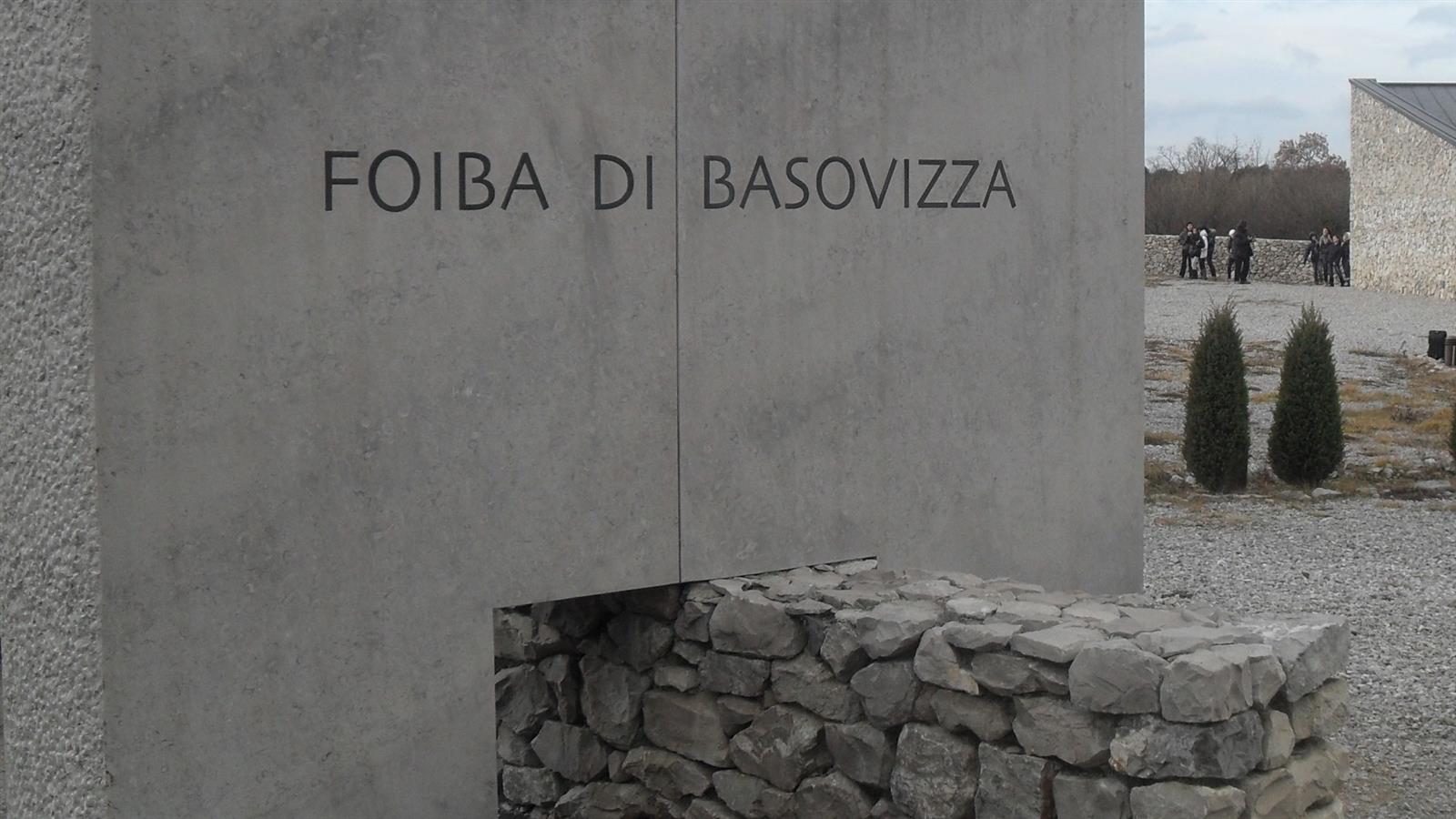
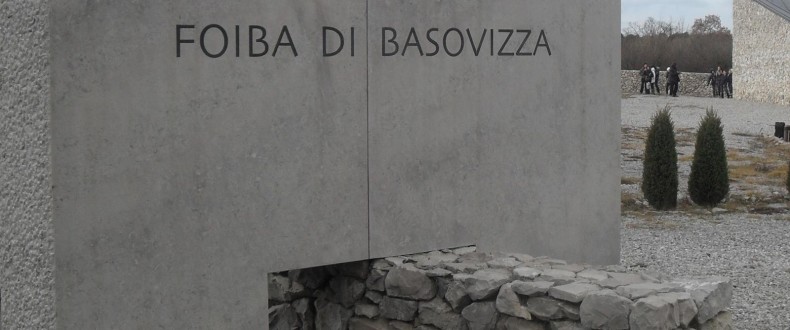
Italians had to be driven from their lands by any means; an extremely practical method of mass extermination was devised for them: the foibe. Many managed to flee to save themselves and to continue being Italian. Exodus. How were they welcomed in their homeland? Refugee camps , often indecent. Poor people who had left everything behind, viewed with suspicion by both national politics and their own fellow citizens. Who could abandon the Yugoslav communist paradise? Only fascists, only those with unfinished business with the law, thieves, and criminals.
Mountains of books have been written about that April 25th, about how we got there and how it developed, especially great novels from Calvino to Bassani, to Cassola, to Pavese… that have entered the hearts of the people, creating the extraordinary epic of the Resistance. There are books about the events remembered on February 10th, before that date entered the official calendar of celebrations and after its entry, but they are incomparable compared to the quantity of volumes and the high-sounding authority of the authors who narrated April 25th.
I am not a historian, I wanted to tell the events that happened in that part of Italy on the eastern Adriatic coast. My novels do not pretend to be historical investigations, they do not focus on strictly political problems, even if, naturally, history and politics are continually evoked. At the center of my novels, which have as their subject those times remembered on February 10, there are private stories of simple people with their affections, their daily problems, that fate has made live in a dramatic period. The great History of the tragedy of those times is a cruel frame for the small private stories of my characters. The true protagonist that runs through these stories of mine is love in the days of pain, death, salvation, rebirth.
In her first novel, Quando ci batteva forte il cuore (Mondadori 2010), love is the love experienced within a family, when the crucial decision becomes choosing between saving a life, especially that of a child, or engaging in political commitment that could lead to catastrophe. The choice of a father and a mother, her irredentist commitment and his decision to protect the life of her young son; the escape, the exodus.
In the second novel, White Roses in Fiume (Mondadori 2014), the protagonist is the love of a young boy who, rebelling against the strict rules of his fascist father's austere upbringing, sides with the victory of Tito's communism. The consequences of his political passion will be devastating when Tito has him arrested and deported to the concentration camp on Goli Otok, the Bald Island.
The third novel, Love in the Fire of War (Mondadori 2018) takes place in Zadar before its destruction. A man and a woman try to make ends meet in their past lives amidst misunderstandings and betrayals, when there is no more time to correct mistakes, and the cruelty of war becomes the master of their souls.
Novels of existences torn apart by communist terror, by war, where the hope of salvation is intertwined with the destiny of death. Small private stories with which I would like to remember a great History often mystified, often forgotten.
Stephen Zecchi
Source: Culture and Identity – 10/02/2022