Language
 English

World War II: The Rescue of Jews in Yugoslavia and Dalmatia
There were approximately 78 Jews living in the territories of the then Kingdom of Yugoslavia when the Nazis entered Belgrade on April 12, 1941. Most were victims of the Holocaust, but several thousand were saved thanks to the Italian army. A book reconstructs the story.
During World War II, in the areas of former Yugoslavia occupied by the Italians and Germans, the Croatian Ustasha allies of Ante Pavelić were certainly not inferior in ferocity to the Nazis towards the Jews (and Serbs and Roma). Indeed, in some cases – excluding the use of crematoria – they were worse.
The massacres were such that in order to indicate the discomfort that they caused to the occupying forces, forced not to intervene to put an end to them, "it was decided not to raise the Italian and German flags in front of the Ustasha command". Furthermore, there were operations by the Italian army that, in defiance of the racial laws, were decidedly aimed in Dalmatia at saving the Jews from persecution both by the massacres of the Ustasha and from being sent to the extermination camps by the Nazis.
Research on this little-known page of history, contrary to that which rightly recognizes the ferocious Italian repression of the Slovenian and Croatian populations in obedience to the orders given by General Mario Roatta, was carried out by Gino Bambara from Zadar, a historian, but who also participated in the events of the Second World War in Greece and Yugoslavia as an officer of the Murge infantry division.
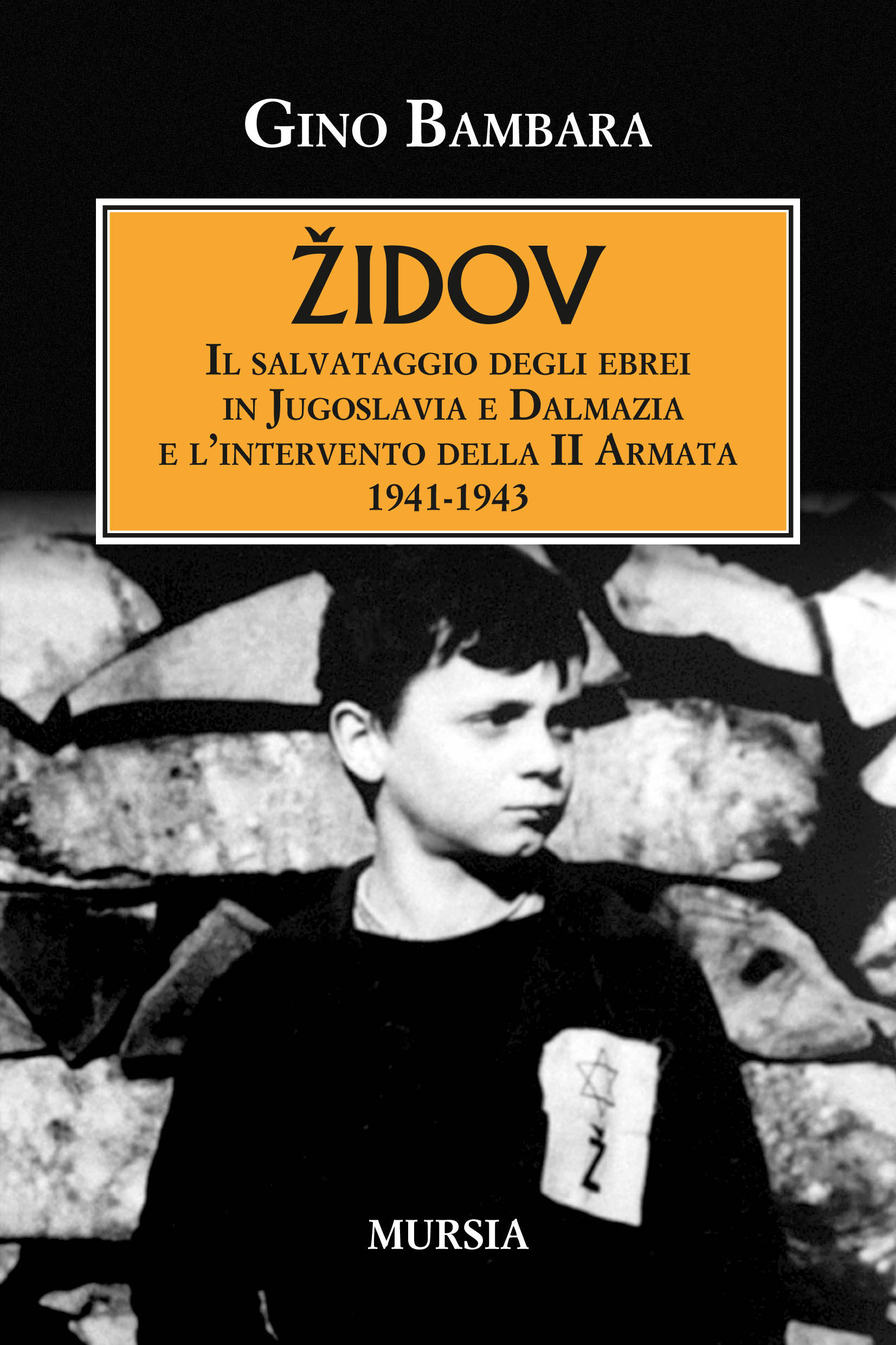
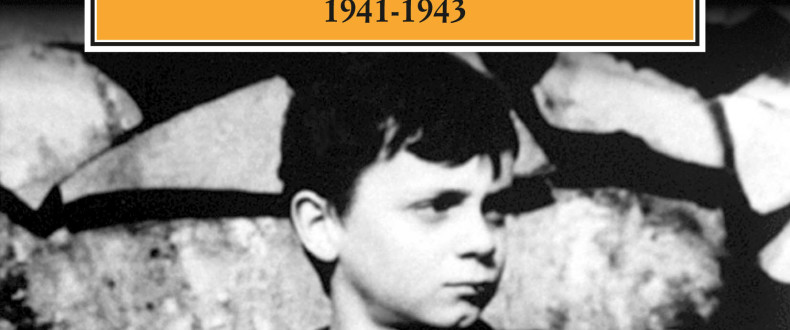
The result is a very interesting book, well documented and written, entitled “Židov”, meaning Jew, which was the yellow identification mark imposed by the Ustasha on the arm of Jews, published by Mursia in the series “Testimonianze fra cronaca e storia” dedicated to “Trieste and the Dalmatian-Istrian question”, which now has a dozen titles.
The subtitle of “Židov” is explicit about the research: “The rescue of the Jews in Yugoslavia and Dalmatia and the intervention of the II Army 1941-1943”, which also reveals the complexity of the human soul, given that General Roatta himself, who is accused of having initiated criminal and shameful actions of repression in Slovenia and Croatia, turned out to be a supporter of the rescue of the Jews with the foresight of not sending the Jews to Germany, as Mussolini, in compliance with a German request, had ordered, finding a way to keep them in safer locations on the Dalmatian islands according to criteria of undoubted humanity.
This soon produced, on the question of Jewish refugees, a series of very difficult diplomatic relations with the Germans "as can be deduced from a note from Ribbentrop of 26 September 1942, addressed to the ambassador in Zagreb Kashe, concerning the political, economic and military aspects of the relations between the Axis powers and between these and Croatia in the occupied territories. It was believed that the anti-Jewish regulations had been applied only in northern Croatia and that, on the contrary, in the south Mussolini's decision had not yet been followed up".
A decision that Mussolini himself, faced with the arguments of General Robotti who turned to the Duce expressly telling him that he was against, for humanitarian reasons, the delivery of the Jews, backed away from, recommending delaying techniques such as, for example, telling the Germans that they did not have "boats to transport them by sea to Trieste, since it is not possible to do so by land". It had therefore been an operation, that of saving the Jews in Dalmatia, which had had wider implications than those limited to the good will of a few. Even if, naturally, there were those, such as the commander of the II Army, Giuseppe Pièche, general of the Carabinieri, after the war received a special citation from the Union of Jewish Communities of Italy for his courageous efforts on behalf of the Jews.
Gino Bambara in his book reports many testimonies of Croatian Jews saved by the Italians, of what their life was like in the various collection camps, considering that they were concentrated in hotels, palaces, adjacent buildings, in which they could ensure the functioning of all the services necessary for the life of the internees, always treated for the best even in times of scarcity: for example, with regard to the distribution of food, they had the same treatment as Italian soldiers. For the rest they were free to move around and without the obligation to respond to daily roll calls.
Of course, there were also some Italians who did not look kindly upon this rescue. For example, General Ugo Cavallero, who was pro-German, so much so that the pro-Jewish Roatta feared that Cavallero was just waiting for “the opportunity to accuse him of sedition because of some imprudent order of his”.
In the end, the fall of fascism on July 25, 1943 and, a few weeks later, on September 8 of the same year, with the signing of the armistice, changed everything. Certainly, however, what had been done up to that point contributed to saving many Jews from the extermination camps. For example, 2180 Jews interned in Arbe survived the war, to which must be added those who after July 1943 moved to Italy with the consent of our authorities.