Language
 English

September 8th at the Eastern Border: The Dishonor of Weapons
On the night between 8 and 9 September 1943, after the Head of Government Pietro Badoglio had read the announcement of the armistice on the radio, the scenario that had already occurred after the breakthrough at Caporetto in October 1917 was repeated in the valleys of the Isonzo and the Julian Alps: the absence of orders, rivalry between the generals, and lack of communication between the Army Corps facilitated the German occupation plans and those of the Slavic partisan formations. And yet, there were some who wanted to resist, as the Acts of the trial of General Giovanni Esposito, held a few months after the end of the war, testify, providing us with evidence of great self-denial and courage....
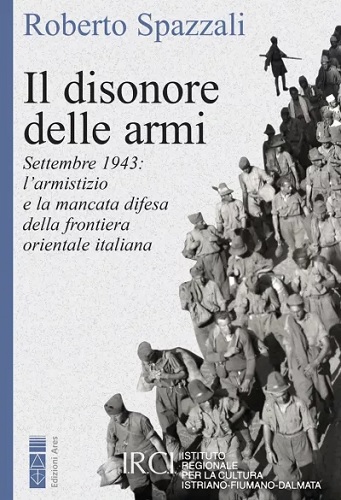
The Dishonor of Arms, a new book by Roberto Spazzali
On the night between 8 and 9 September 1943, in the valleys of the Isonzo and the Julian Alps, the scenario that had already occurred after the breakthrough at Caporetto in October 1917 was repeated: the absence of orders, rivalry between the generals, and lack of communication between the Army Corps facilitated the German occupation plans and those of the Slavic partisan formations. And yet, there were some who wanted to resist, as evidenced by the Acts of the trial of General Giovanni Esposito, held a few months after the end of the war, which provide us with testimonies of great self-denial and courage. Other sources bring to light the extent of the firefights in which the Italian troops...
The Tragedy of the Italian Military Internees after September 8th
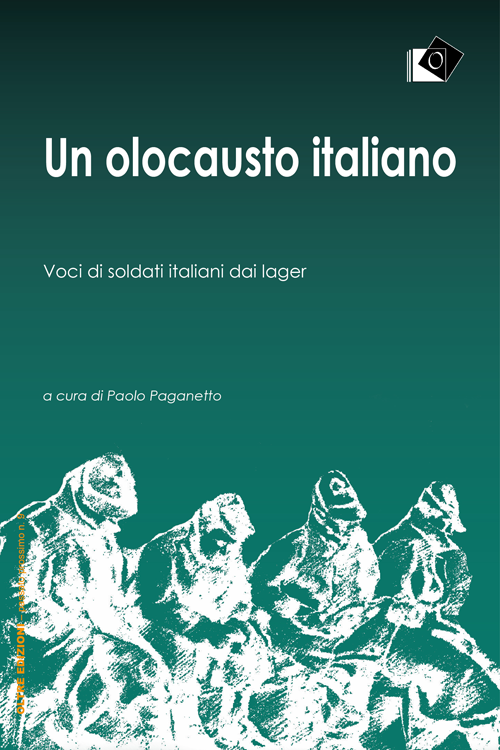
From the mists of the past, an extraordinary choral testimony has emerged on the tragedy of our soldiers transferred to Germany after the armistice of September 8. Officers and soldiers, of any political and religious orientation, who had the courage to refuse enlistment in the Republic of Salò so as not to betray their homeland, were sent like sheep to the slaughterhouse to concentration camps and labor camps scattered throughout Europe under the Nazi yoke. Mauthausen, Dora, Krankenhaus, Dachau are just some of the sad destinations that these courageous patriots reached, experienced and suffered. Among them names that would become famous such as Guareschi, Rebora, Carpi, Lazzati,...
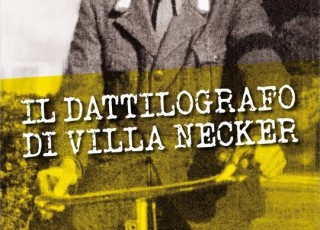
September 8th in the Memoirs of the Typist of Villa Necker
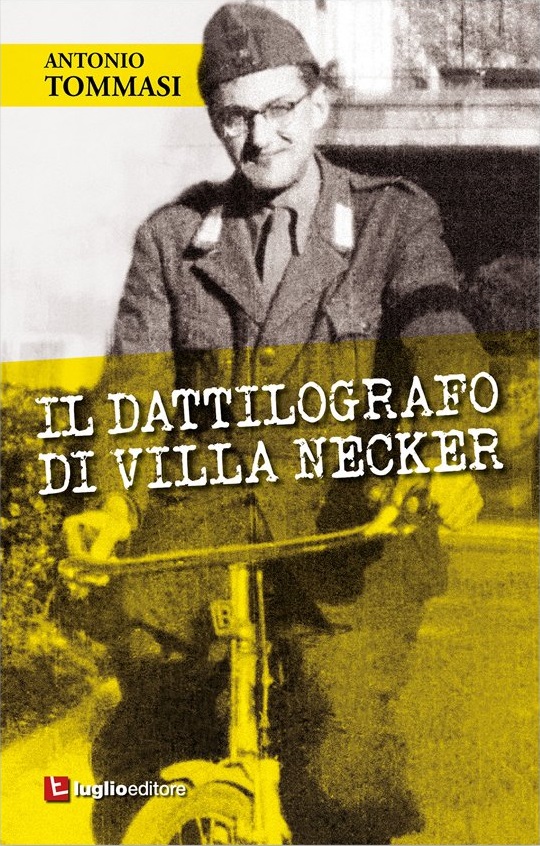
In Trieste during the Second World War, a young man with his doubts and anxieties finds himself living extraordinary situations and experiences that he would never have imagined. Individual events intertwine with events of which he is only an insignificant pawn. Yet from his privileged observation point he makes us experience crucial moments experienced first-hand, such as the fall of Fascism, the signing of the armistice on September 8th and the bombing of the city and leads us to consider events with eyes that history books do not allow. Because war is not only made up of great battles, victories and defeats, but also of small stories...
The “bill” of September 8 was paid at the eastern borders
September 8 as the day of Italy's redemption in the Second World War. September 8 as the beginning of the Resistance and the fight against Nazi-fascism on a larger scale. The usual ceremonies have insisted on these aspects, but for the Italians of the eastern border this date is well represented by the title of the famous essay by Ernesto Galli Della Loggia «The Death of the Fatherland». A Fatherland that entered into agony in the retreats in Russia and North Africa, in the war of attrition in the Balkans and in the collapse of the fascist regime. A Fatherland idealized and exalted in the unredeemed lands until the moment it materialized in November 1918, presenting itself in the austere clothes...