Language
 English


Research by the University of Florence and the National Association of Italian Students (ANVGD) to rediscover the stories of exiled students
The dramatic geopolitical shifts of recent years, ongoing wars, and international tensions increasingly tell us of exoduses of entire populations, fleeing weapons, persecution, or hunger. The current images bring to mind the memory of the Julian-Dalmatian exodus, when hundreds of thousands of Italians were forced to emigrate from Istria, Fiume, and Dalmatia between 1945 and the following decade, following the climate of intimidation and violence that culminated in the tragedy of the Foibe massacres. Many of the exiled students from Istria, Fiume, and Dalmatia found refuge in Florence and sought enrollment and scholarships at the University of Florence in order to...

Exhibition in Lecce in memory of the exiles and the foibe
On Monday, February 9, 2026, on the occasion of Remembrance Day, the "Exhibition in Memory of the Exiles and the Tragedy of the Foibe – The Drowned of History, the Ethics of Remembrance. So that the Unspeakable May Return to Our Conscience" opened at the former Conservatory of Sant'Anna in Lecce. The exhibition, curated by the Lecce Provincial Committee of the National Association of Venezia Giulia and Dalmatia (ANVGD), focused on the great tragedies of Italy's eastern border. Through panels, short films with testimonies from exiles, and several publications on the Foibe, the exhibition provides a schematic overview of the history that led to the exodus...
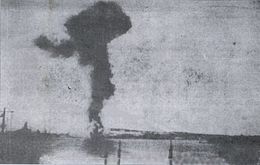
Conference "Vergarolla. The First Massacre of Republican Italy"
Eighty years ago, the Italian Republic was founded, and within weeks, the first civilian massacre occurred, which remains the deadliest to this day: Vergarolla. Along with all the people of Giulianova, Fiume, and Zadar, the residents of Pula were unable to vote in the institutional referendum. However, until the conclusion of the Peace Conference, the Istrian capital remained formally Italian territory, albeit under Anglo-American military administration and an enclave in Istria under Yugoslav military administration. A tense situation, rumors swirling, and uncertainties spreading, but demonstrations of Italian identity continued. Even on Sunday the 18th...

Identity Beyond Borders: Generations Meet for a New Adriatic Frontier
The history of the Adriatic border is marked by profound fractures, collective tragedies, and torn identities. But today, it is a history that demands to be reinterpreted as a space for dialogue, responsibility, and a shared future. The collective work "Identity Beyond Borders: Generations Compared for a New Adriatic Border," promoted by the National Association of Venezia Giulia and Dalmatia, stems from a fundamental question: how can a painful memory be transformed into a resource for new generations and for the Europe of the future? Through authoritative contributions and voices diverse in experience, education, and background, the book interweaves historical reconstruction,...
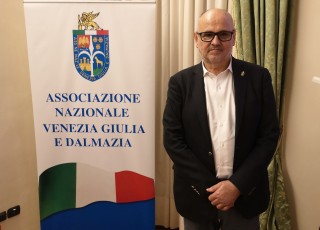
Renzo Codarin confirmed as President of Anvgd
The National Association of Venezia Giulia and Dalmatia, the oldest and most widespread association of Istrian, Fiume and Dalmatian exiles, celebrated its XXII National Congress in Gorizia, renewing its National Council, which confirmed Renzo Codarin as President. These were intense days of internal debate, planning of future activities and taking stock of what has been done since the last congress (Rome 2016), with particular reference to the initiatives carried out despite the pandemic, which on the one hand prevented the Congress from being held in person, and on the other allowed the national management and several provincial committees to strengthen the...
The 22nd Congress of the Anvgd in Gorizia
The National Association of Venezia Giulia and Dalmatia was founded in 1947 with the aim of protecting and maintaining together the tens of thousands of refugees – native Italians – from Venezia Giulia, Carnaro and Dalmatia that the Peace Treaty of 10 February 1947 had ceded to the former Yugoslavia. The initiatives of the Association, which today is divided into over 40 provincial Committees, have brought a decisive contribution in the field of legislative measures adopted by Parliament to resolve the problems of the Julian-Dalmatian exodus, from laws for public housing to those for compensation for lost property in the ceded territories. Today the ANVGD...
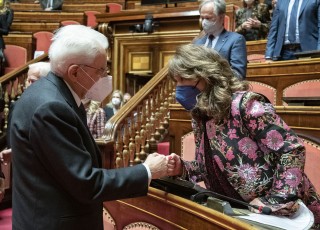
"Remembrance Day has restored the dignity of an entire community"
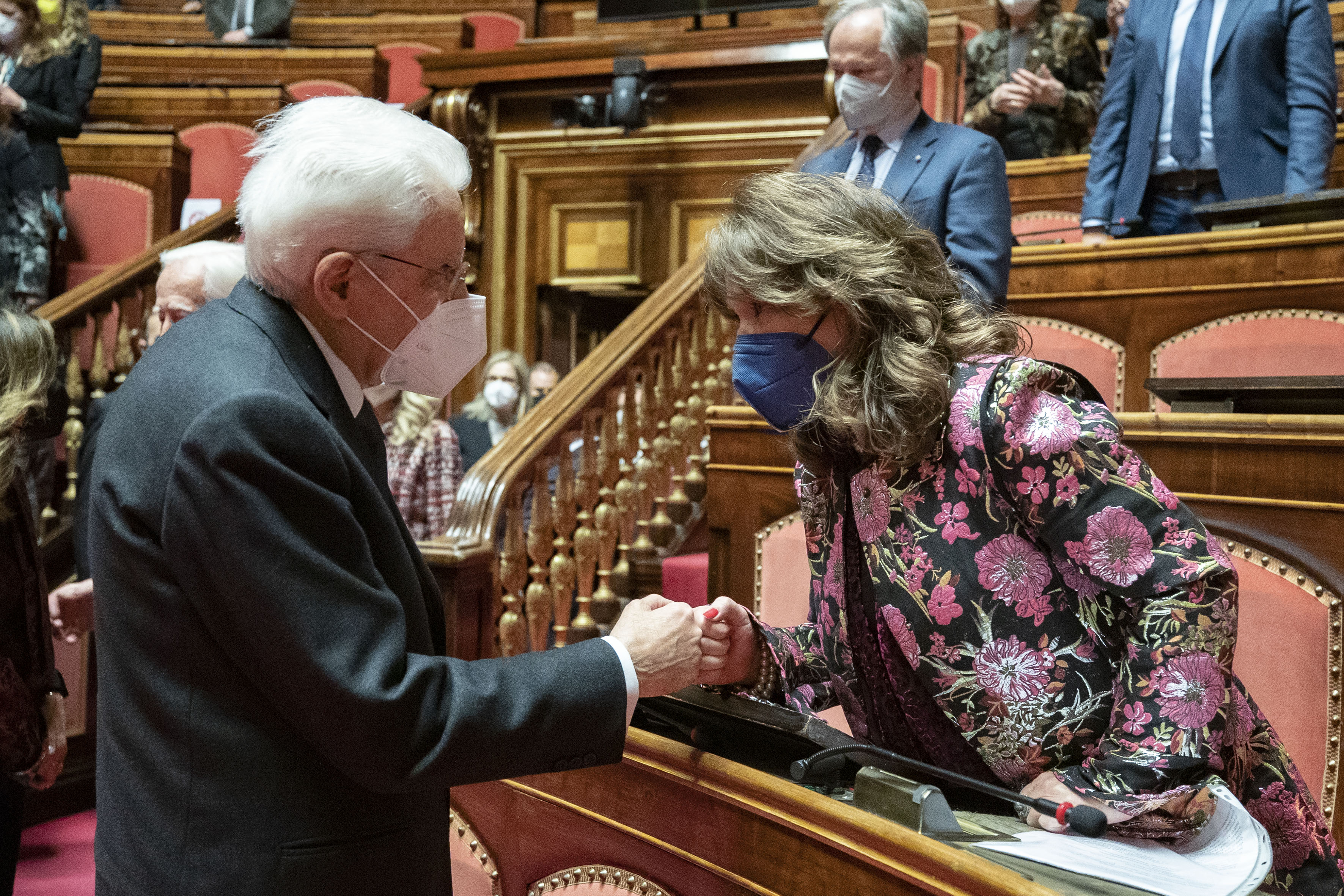
Speech by the Deputy Vice President of the National Association of Venezia Giulia and Dalmatia, Prof. Donatella Schürzel, at the ceremony for the Day of Remembrance 2022 held at the Senate of the Republic on Thursday 10 February. Mr. President of the Republic, Madam President of the Senate, President of the Chamber of Deputies, Honorable Senators and Deputies, Government Representatives, Civil, Military, Diplomatic and Religious Authorities, Ladies and Gentlemen, Students Present, Friends and Brothers of Istria, Fiume and Dalmatia, Eighteen years ago, Law 92 of 30 March 2004 established the Day of Remembrance that we celebrate today and 75 years...
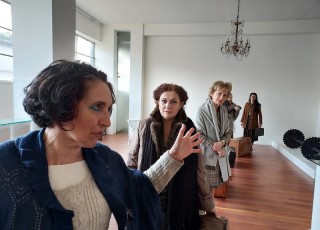
The recital “That Italy Across the Sea”
“It is not true that I, and all three hundred and fifty thousand Istrian exiles, are, were, bourgeois and fascists. It is not true that all of Istria was Slavic and had to return to Yugoslavia. It is not true that all my people are only nostalgic and irredentist”. “And if you had stayed? If with cunning patience you had remained in Istria, in your home, your houses, your stables, your fields, your apartments, would not have been occupied. All the liberators would have left, one after the other” “It was not we who wanted to leave; the truth was and is that “they” did not want us on those lands, which they claimed to erase,...
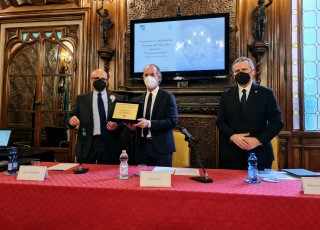
Anvgd awards Veneto Region for its commitment to Remembrance
On Wednesday 29 December at Palazzo Ferro Fini, in the Cuoi room, the President of the Veneto Region Luca Zaia received the Premio del Ricordo dedicated to Norma Cossetto awarded by the Associazione Nazionale Venezia Giulia e Dalmazia to the Veneto Region for its commitment to supporting the memory of the exile of the Italian population, of Istria, Fiume and Dalmatia. «We are bound to the history of the exiles by blood, memory and history – Luca Zaia underlined –, we share our identity and language. Our objectives are three: first of all not to forget, secondly to ensure that our children know the history and, thirdly, to ensure that the places where the tragedy...
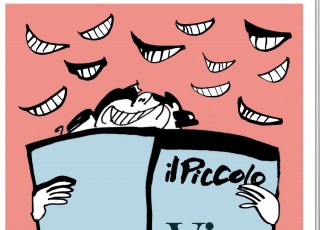
Proverbs and sayings: the “VIZ” or “WITZ”
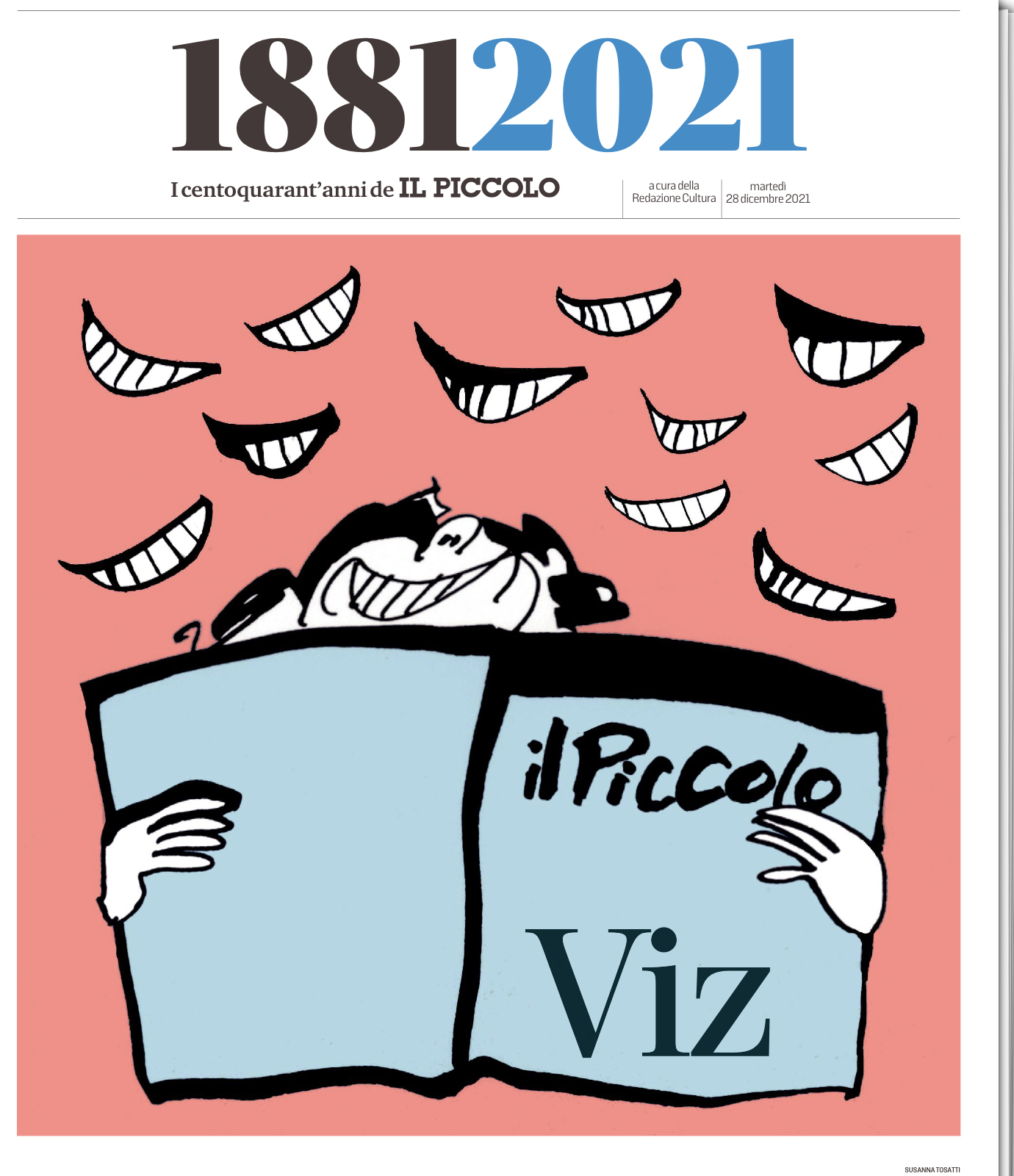
Joke, pun, witticism. “Christmas packages in installments? No, with money in hand; but then there is no more vice; with money in hand you can find them in every corner” This is what Enrico Rosamani reported in his “Julian Vocabulary of the dialects spoken in the Julian-Dalmatian Region as it was established by mutual agreement between the two States involved in the Rapallo Conference of 12/11/1920”, published in 1958. Proverbs and sayings that were often modified in the various dialects of different influences, from Trieste to Pola, from Rovigno to Muggia, from Zara to Veglia. But the ultimate meaning remained the same. Folklore is not only a collection of beliefs and opinions to be examined...