Language
 English

The Origins of the 1953 Balkan Pact
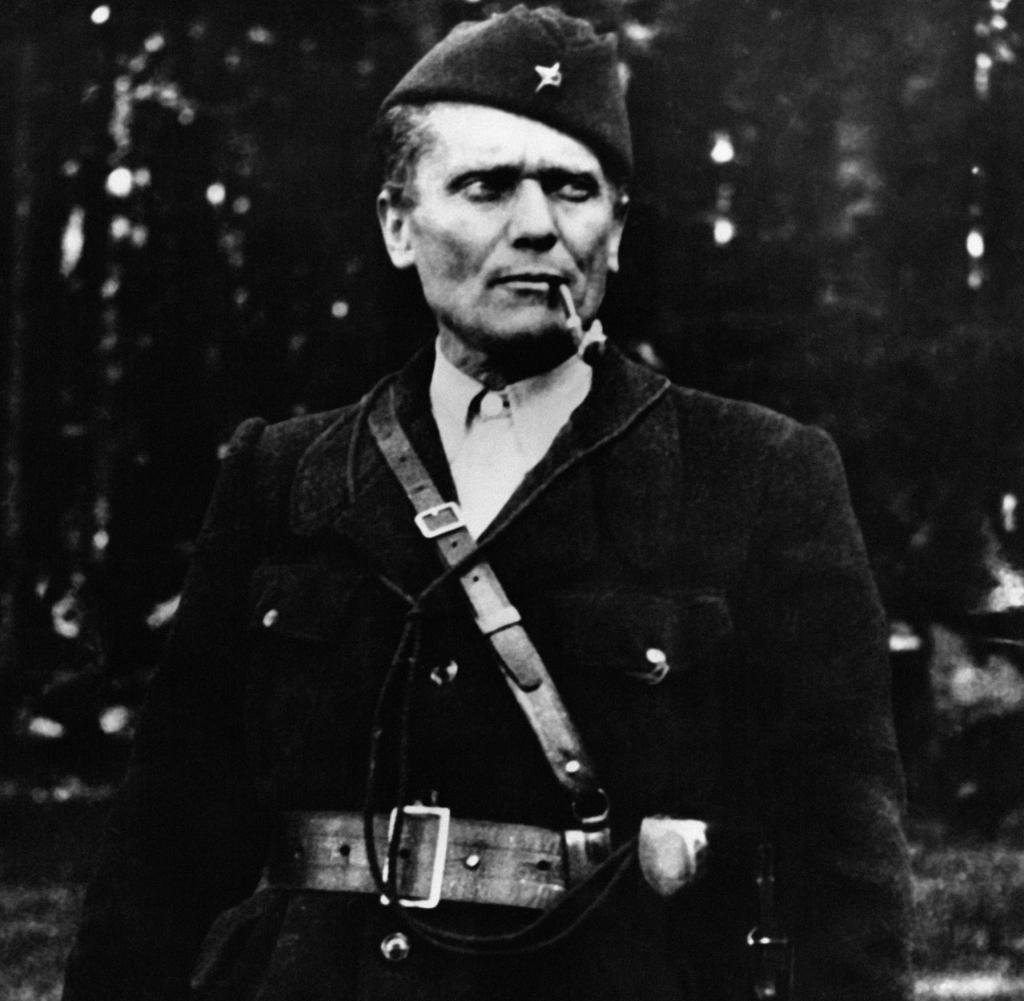
Yugoslavia has always been unique among the satellite countries of the Soviet Union. The Balkan state, unlike the others, immediately tried to find its own determination under the strong pressure of Tito, even competing with Moscow. The Yugoslav model was considered dangerous and even, in some respects, not fully socialist. On the other hand, the Soviets were seen as oppressors. What marked a deep rift between the two countries was Belgrade's refusal to build a federation with Bulgaria. Following numerous warnings issued by Stalin, on 28 June 1948 the Yugoslav Communist Party (PCY) was expelled...
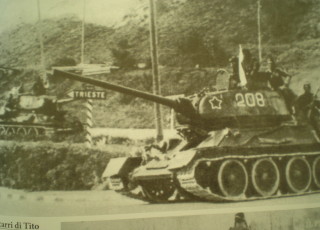
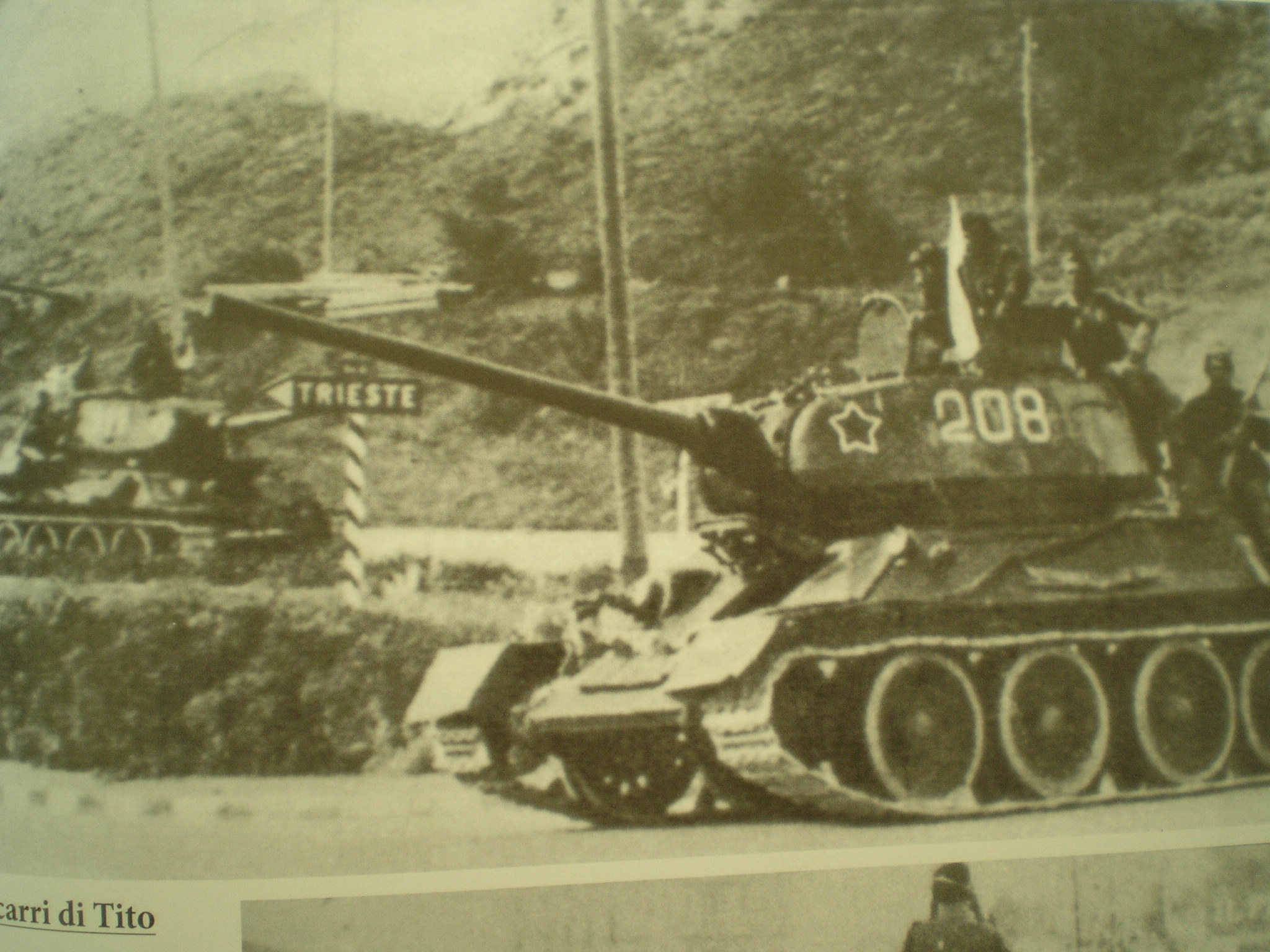
In the battle of Opicina there were already the tensions of the Cold War
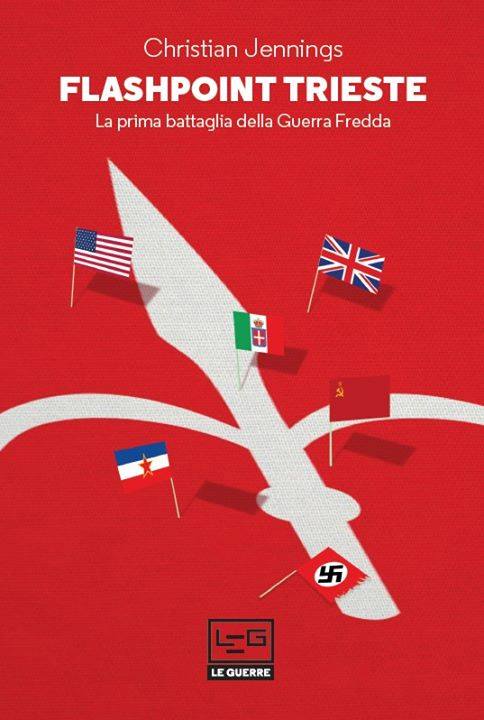
The events that were recalled in the newspaper Il Piccolo di Trieste on April 30, 2020 in the article “The Battle of Opicina of April 30, 1945. How partisans and allies defeated the Nazis” provide food for thought on the local and international situation of that last spring of conflict. For example, reference can be made to Leone Veronese Jr. "1945 the Battle of Opicina" (July, Trieste 2010) and to the work based on British intelligence sources “Flashpoint Trieste. The First Battle of the Cold War” by Christian Jennings (Leg, Gorizia 2017), from which it emerges that the military operations in the upper Adriatic were certainly...
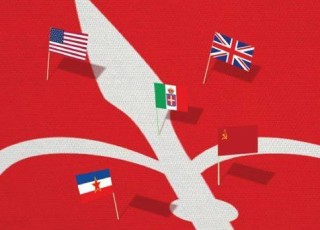
The Cold War on the Eastern Border
Indian and New Zealand army officers, British and US secret service agents, Nazi leaders and Yugoslavian partisan commanders intertwine their stories around Trieste, a city contested between the Anglo-Americans and the “Titoites” in the pages of “Flashpoint Trieste. The first battle of the Cold War” (Libreria Editrice Goriziana, Gorizia 2017) by historian and journalist Christian Jennings. The final push of the allied armies that moved up the peninsula from the summer of 43 onwards was due not so much to the desire to favor co-belligerent Italy in safeguarding what was its border with Yugoslavia, but rather to the need...