Language
 English

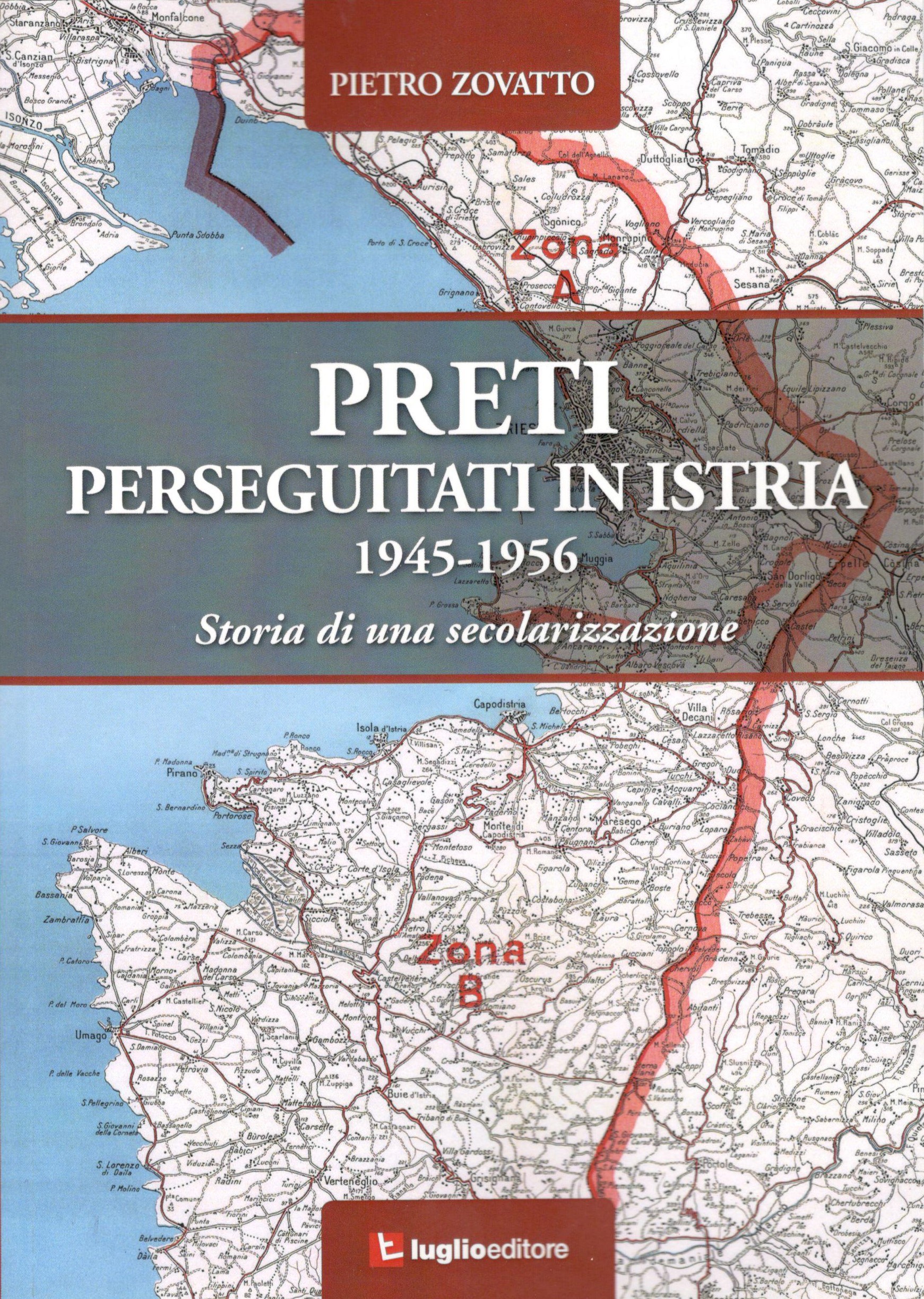
The persecution of priests in Tito's Istria
Pietro Zovatto's volume recalls the methods and victims of Yugoslav anti-religious politics. In the history of the eastern Italian border, the religious factor and priests have often played a leading role. Starting from the late nineteenth century, when the Slavic clergy of the Gorizia, Trieste and Istrian hinterland worked to consolidate the Slovenian and Croatian national consciousness: these were what Engels defined as "nations without history", but in this context they took shape in opposition to the increasingly vigorous Italian irredentism and under the protection of the authorities of the very Catholic Austro-Hungarian Empire. Emperor Franz Joseph,...