Language
 English

The turning point of Trieste: the solemn memory of the end of the red occupation
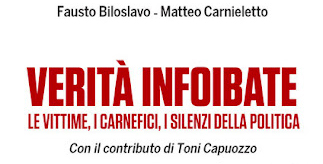
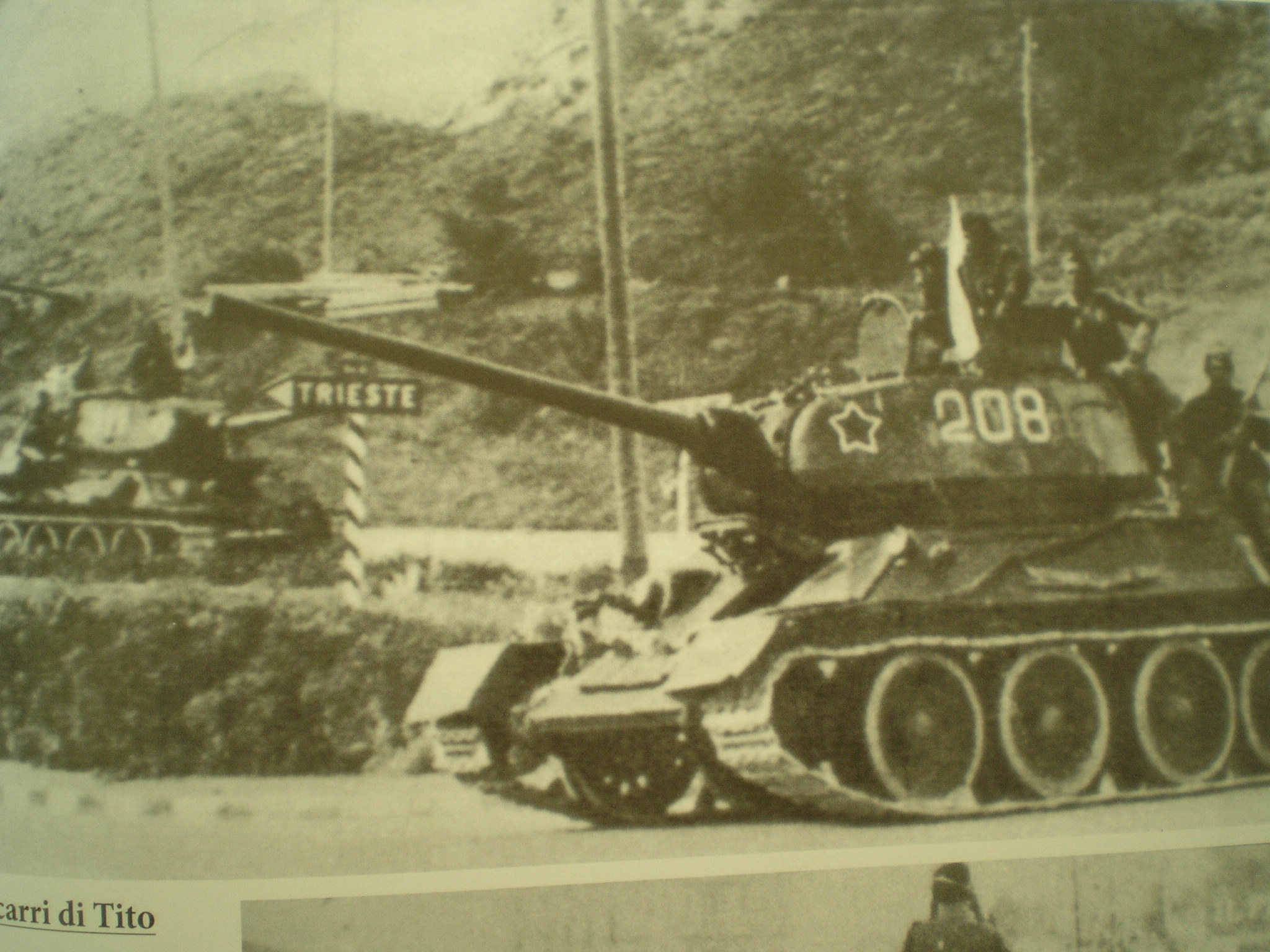
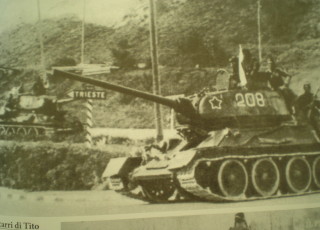
After the end of the Second World War, Tito's troops occupied Trieste. A nightmare that lasted 40 days, culminating in the foibe by Fausto Biloslavo - 28/05/2020 - Source: Il Giornale In Trieste, the definitive liberation from the horrors of the Second World War did not come on April 25, but on June 12, 1945 after 40 days of occupation of the Julian capital by Tito's troops. And now this date has become an official anniversary thanks to a proposal by Mayor Roberto Dipiazza. On June 12, Trieste will solemnly remember "the day of the liberation of the city from Yugoslav occupation". Berlin celebrates the fall of the wall, but the Julian capital is the...
In the battle of Opicina there were already the tensions of the Cold War
The events that were recalled in the newspaper Il Piccolo di Trieste on April 30, 2020 in the article “The Battle of Opicina of April 30, 1945. How partisans and allies defeated the Nazis” provide food for thought on the local and international situation of that last spring of conflict. For example, reference can be made to Leone Veronese Jr. "1945 the Battle of Opicina" (July, Trieste 2010) and to the work based on British intelligence sources “Flashpoint Trieste. The First Battle of the Cold War” by Christian Jennings (Leg, Gorizia 2017), from which it emerges that the military operations in the upper Adriatic were certainly...
The amnesia of governments and the Grand Crosses never taken away from "Tito's henchmen"
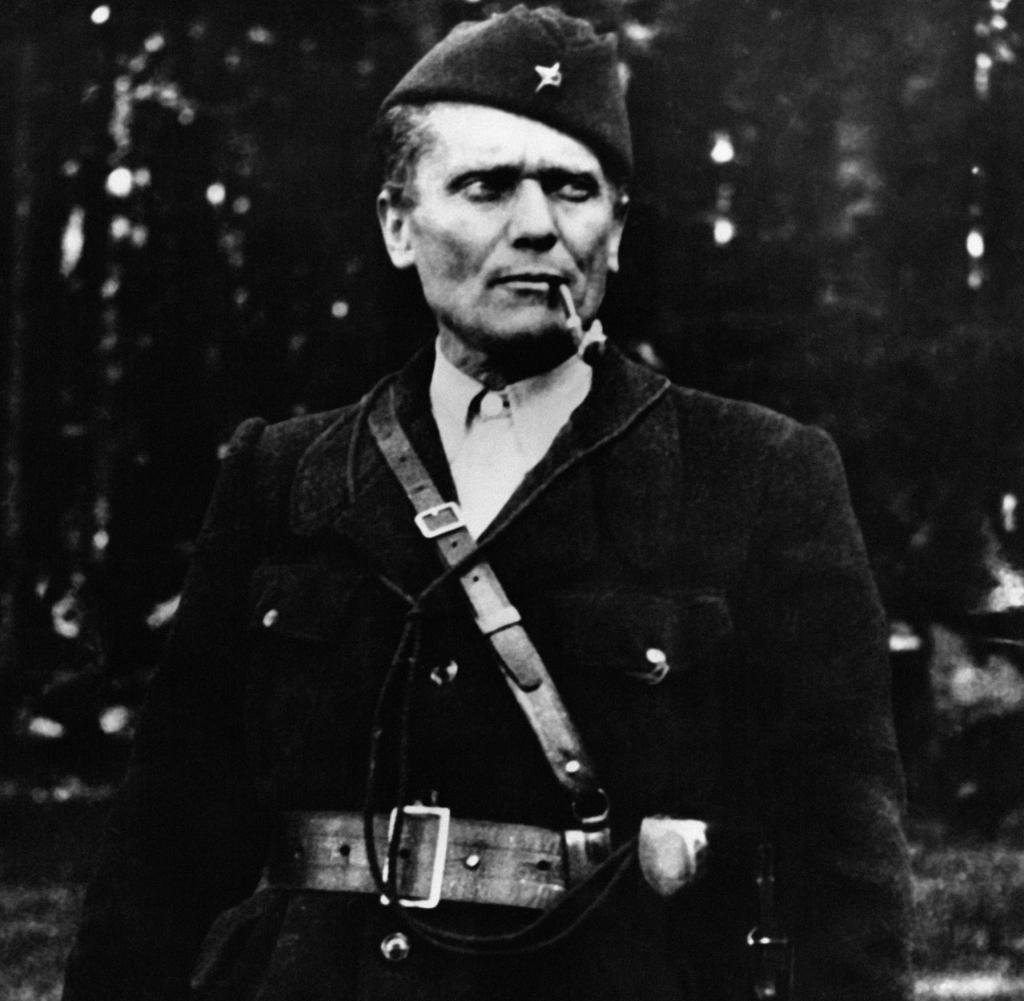
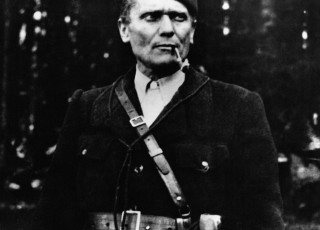
by Fausto Biloslavo - 10/03/2019 Source: Il Giornale In April 2013, the last days of the Monti government after the elections, it was discovered that the Presidency of the Council had instructed the Ministry of Foreign Affairs to investigate three of Tito's henchmen to determine whether they were still alive. The Yugoslavian marshal who had the Italians thrown into sinkholes took the highest honor of our Republic to the grave. And no one will be able to cancel it until the rule that allows revocation only by the living changes. In 2013, however, at least two of Tito's most loyal followers, Knights of the Grand Cross of Merit of the Italian Republic, were still alive. One, Marko Vrhunec, commissioner...
The tragic days of May
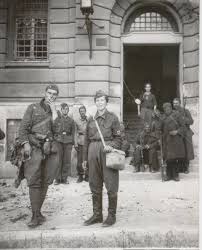
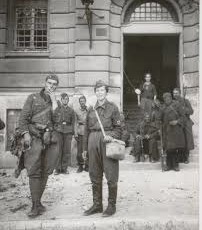
On May 1, 1945, Tito wins the “race for Trieste”: deportations, sinkholes and massacres throughout the Venezia Giulia region. Tricolor flags, patriotic songs, war veterans, partisans who fought in the Resistance and young people parade through the streets of Trieste on May 5, 1945: bursts of machine gun fire, deaths, gunshots, wounded, shouts in a foreign language and the fleeing crowd put an end to this claim for Italianness, freedom and democracy. It seemed like a demonstration like so many others that were taking place in those days in Italy, but the outcome was tragic and unique because the event took place in the capital of the Venezia Giulia region, a...
23–25 March 1944: the story of Malga Bala
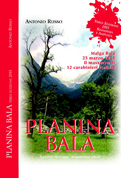
by Antonio Russo Dino Perpignano, vice brigadier, commander, from Sommacampagna (Verona), born August 21, 1921 – Primo Amenici, from Santa Margherita d'Adige (Padua), born September 5, 1905 – Domenico Dal Vecchio, from Refrontolo (Treviso, born October 18, 1924) – Fernando Ferretti, from San Martino in Rio (Reggio Emilia), born July 4, 1920 – Lindo Bertogli, from Càsola di Montefiorino (Modena), born March 19, 1921 – Michele Castellano, from Rocchetta Sant'Antonio (Foggia), born November 11, 1910 – Attilio Franzan, from Isola Vicentina (Vicenza) born October 9, 1913 – Rodolfo Colzi, from Signa (Florence), born February 3, 1920 – Adelmino Zilio, from...
The persecution of priests in Tito's Istria
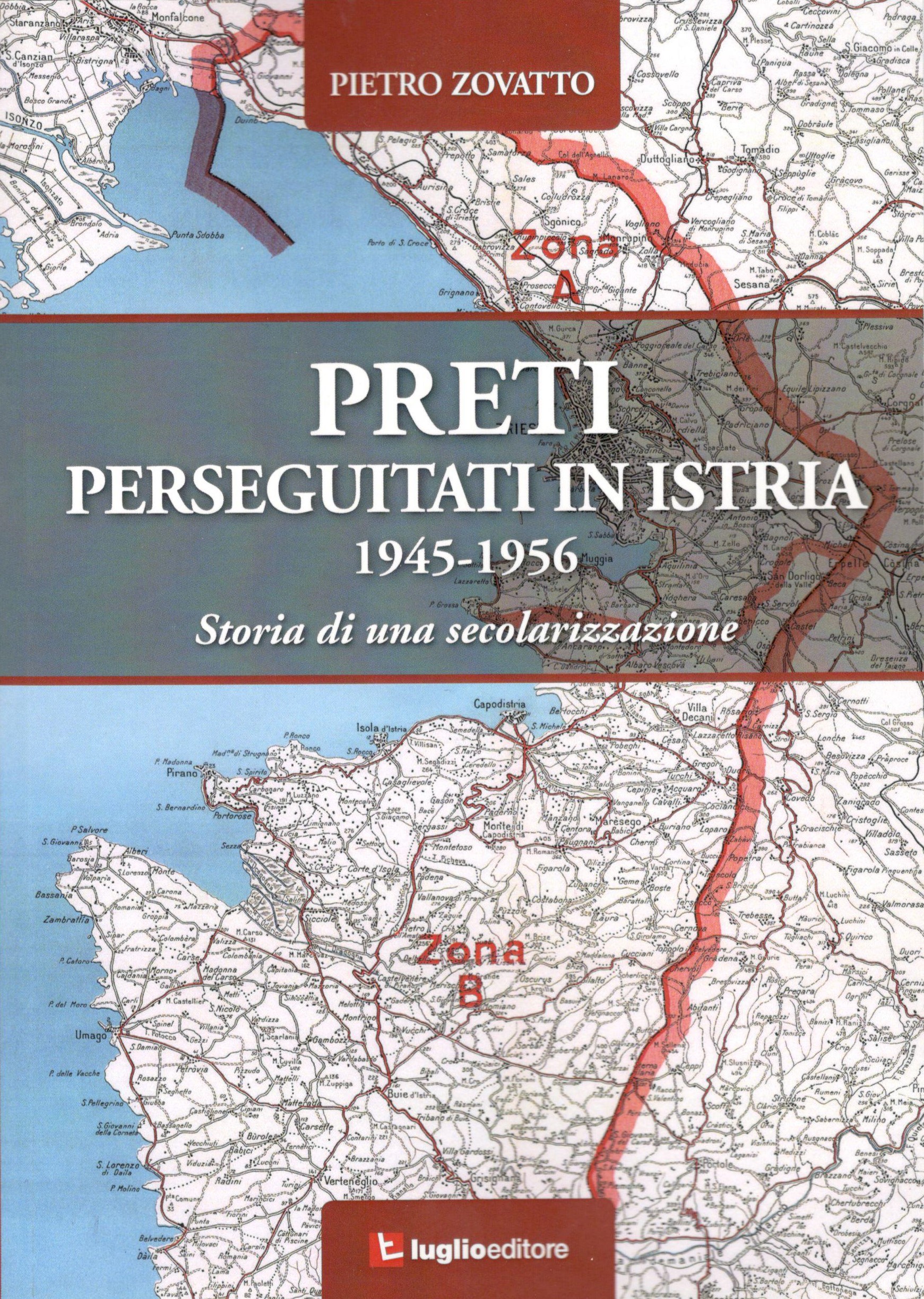
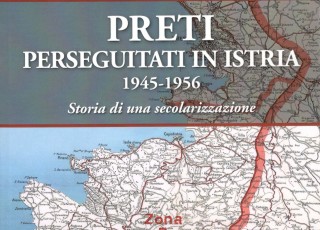
Pietro Zovatto's volume recalls the methods and victims of Yugoslav anti-religious politics. In the history of the eastern Italian border, the religious factor and priests have often played a leading role. Starting from the late nineteenth century, when the Slavic clergy of the Gorizia, Trieste and Istrian hinterland worked to consolidate the Slovenian and Croatian national consciousness: these were what Engels defined as "nations without history", but in this context they took shape in opposition to the increasingly vigorous Italian irredentism and under the protection of the authorities of the very Catholic Austro-Hungarian Empire. Emperor Franz Joseph,...
Against a unilateral and Titoist reconstruction of 1947 in Istria
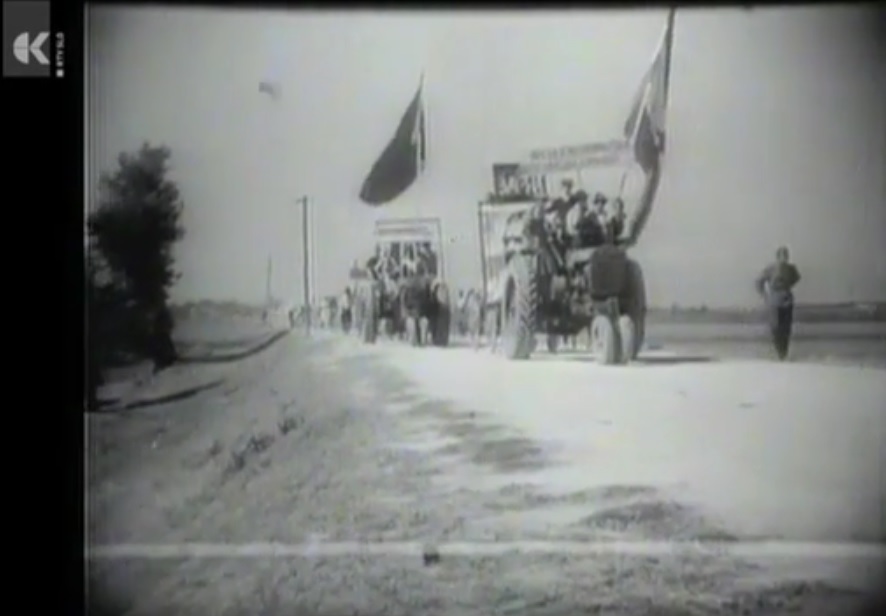
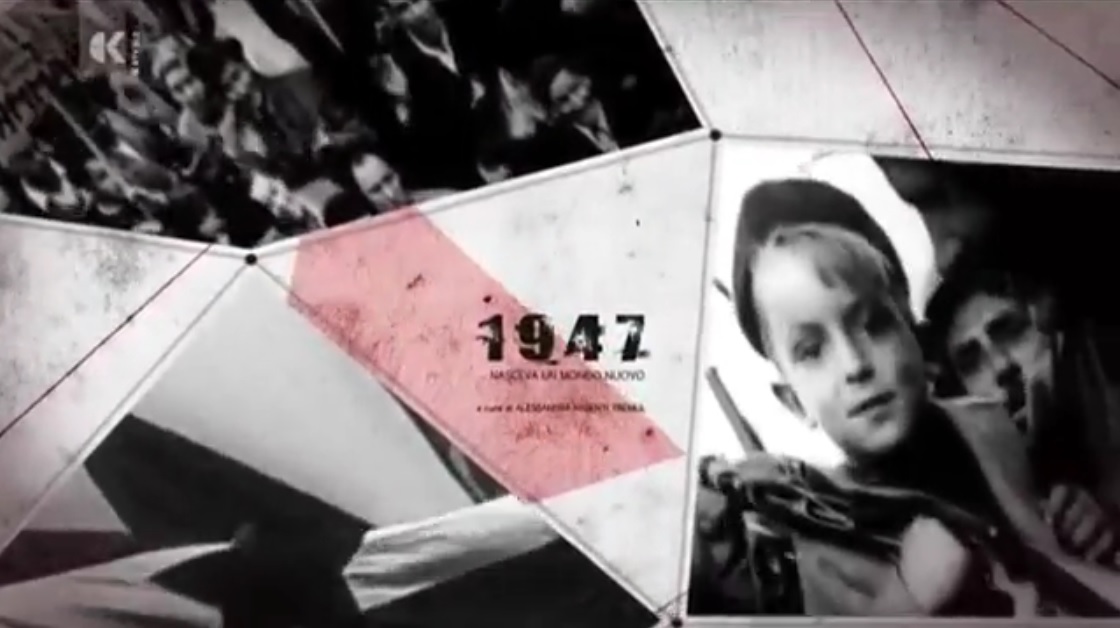
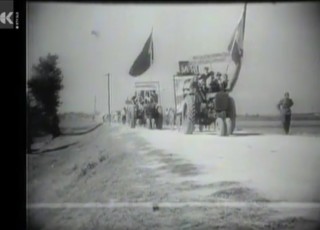
The Adriatic Coordination Association expresses its surprise and opposition to how the program "1947 Nasceva un mondo nuovo" broadcast by Tele Capodistria has represented to television viewers the historical events that revolve around the fateful year 1947, the year in which Italy suffered the peace treaty stipulated between the victorious powers of the Second World War. The overall approach of the program has offered a completely unilateral evaluation of positive sharing of the atmosphere established by Titoist communism in the Adriatic coastal area in that period. Everything has been reduced to a glorification of agrarian reform and...
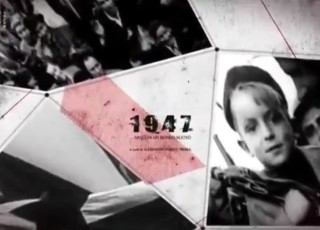
A documentary about Istria in 1947 offensive to the Exiles
ca: Antonio Rocco Deputy Director General TV Koper - Capodistria Robert Apolonnio Editor-in-Chief TV Koper - Capodistria and pc: Alessandra Argenti Tremul TV Koper - Capodistria Giuseppe Grimaldi Buccino Director General Ministry of Foreign Affairs and International Cooperation Francesco Saverio De Luigi Plenipotentiary Minister Ministry of Foreign Affairs and International Cooperation Maurizio Tremul President of the Executive Board of the Italian Union Dear Sirs, I am writing regarding the program broadcast by the Network...