Language
 English

The turning point of Trieste: the solemn memory of the end of the red occupation
After the end of the Second World War, Tito's troops occupied Trieste. A nightmare that lasted 40 days, culminating in the foibe
by Fausto Biloslavo – August 6, 2020 – Source: Il Giornale
In Trieste, the definitive liberation from the horrors of the Second World War did not come on 25 April, but on 12 June 1945, after 40 days of occupation of the Julian capital by Tito 's troops.
And now this date has become an official anniversary thanks to a proposal by Mayor Roberto Dipiazza . On June 12, Trieste will solemnly commemorate "the day of the city's liberation from Yugoslav occupation." Berlin celebrates the fall of the Wall, but the Julian capital is the first city in the then-free world to celebrate the end, fortunately brief, of a communist occupation. The resolution approved on May 26 states that "on June 12, with the departure of the Yugoslav troops and their political police (OZNA), those arrests and deportations that were instrumental in the preventive land reclamation plan implemented to permanently make Trieste an integral part of communist Yugoslavia also ceased, resulting in thousands of deaths and disappearances throughout the Julian region."
On May 1, 1945, the partisans of Tito's IX Corpus entered Trieste, proclaiming its annexation. The infamous 40 days were marked by arbitrary arrests and disappearances not only of suspected fascists, but also of Italians who hadn't hurt a fly and members of the resistance who didn't align themselves with their new communist masters. Those rounded up and deported never returned home, swallowed up in the foibe . It is no coincidence that the resolution approved by the city council recalls that "the terrible Yugoslav occupation, precisely because of its violent nature, was also cited in the motivation for awarding the city of Trieste the Gold Medal for Military Valor, in the following significant passage: 'Subjected to a harsh foreign occupation, it proudly endured the martyrdom of massacres and foibe, without renouncing its active demonstration of its attachment to the homeland.'" After June 12, the Allies arrived in the city, having convinced Tito to withdraw his troops under General Harold Alexander.
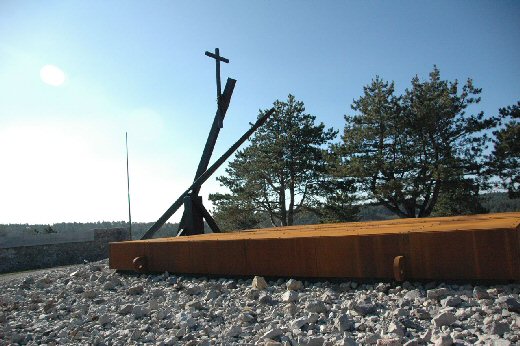
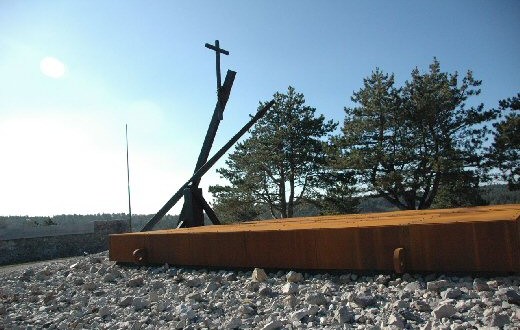
Trieste is the moral “capital” of Istrian, Fiume and Dalmatian exiles forced to abandon everything by the violence of Tito's partisans and the imposition of the communist regime. The National League since 1990 and the Union of Istrians since then have commemorated the “liberation” of June 12 every year. On the occasion of the 70th anniversary a monument was erected, but now the memory of the end of the occupation with the red star of a city that then lived on the border of the free world is official and solemn.
"History is written by the victors, but I have always felt bitterly disappointed by the oblivion cast over the violence inflicted on the vanquished by the untouchable Tito," Mayor Dipiazza explained to Giornale.it. "In Piazza Unità d'Italia, in front of the town hall, on May 1st there are still those who celebrate by waving Yugoslavian flags with the red star. So let me wave the Italian flag on June 12th to commemorate the day of Trieste's liberation from Tito's troops and from communism."