Language
 English

A piece of Istria in Milan
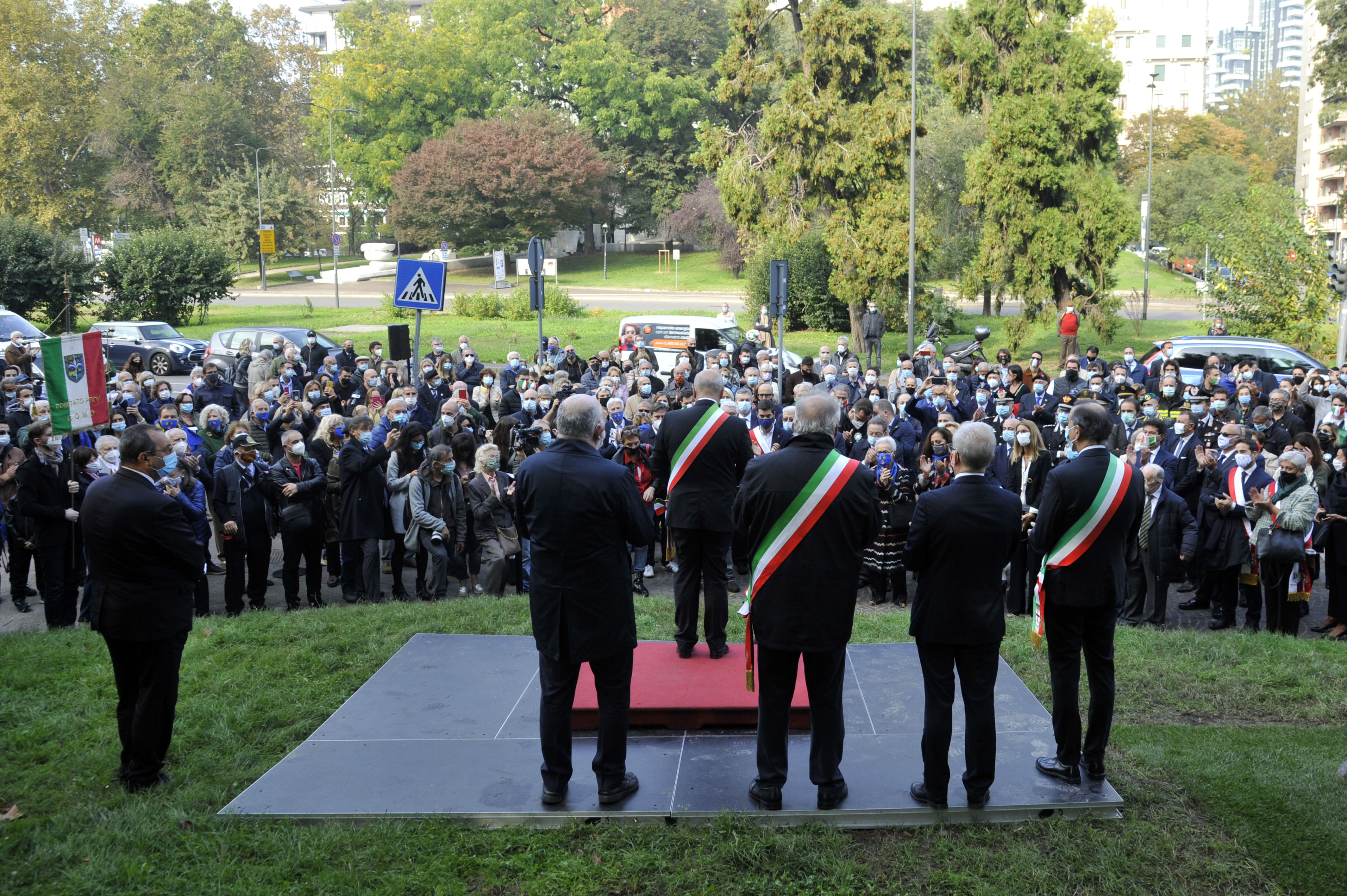
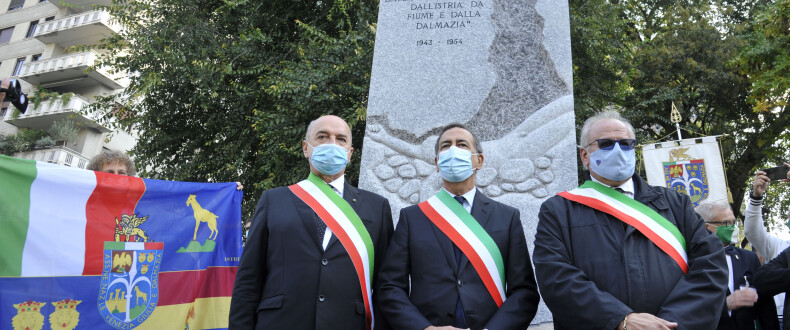
"From today this small portion of Milanese land, of city territory, will become our land. It will become Istria, it will become Fiume and it will become Dalmatia. Thank you Milan. Long live Italy!": Piero Tarticchio, an Istrian exile who had seven relatives killed in the sinkholes, including his father and the priest Don Angelo Tarticchio, was deeply moved at the end of the speech he gave at the inauguration of the monument that Milan dedicated to the sinkhole victims, the deportees and the exiles.
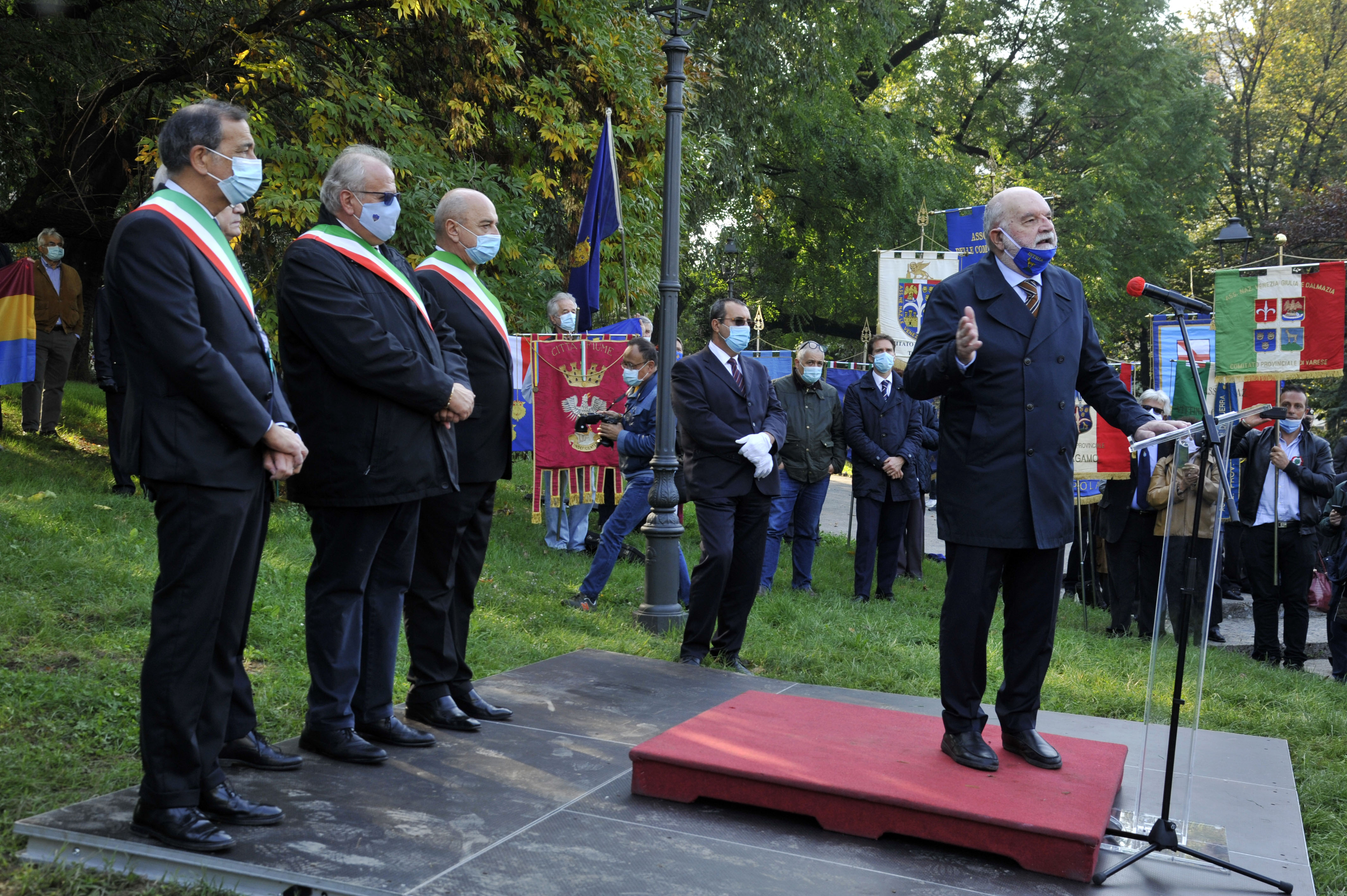
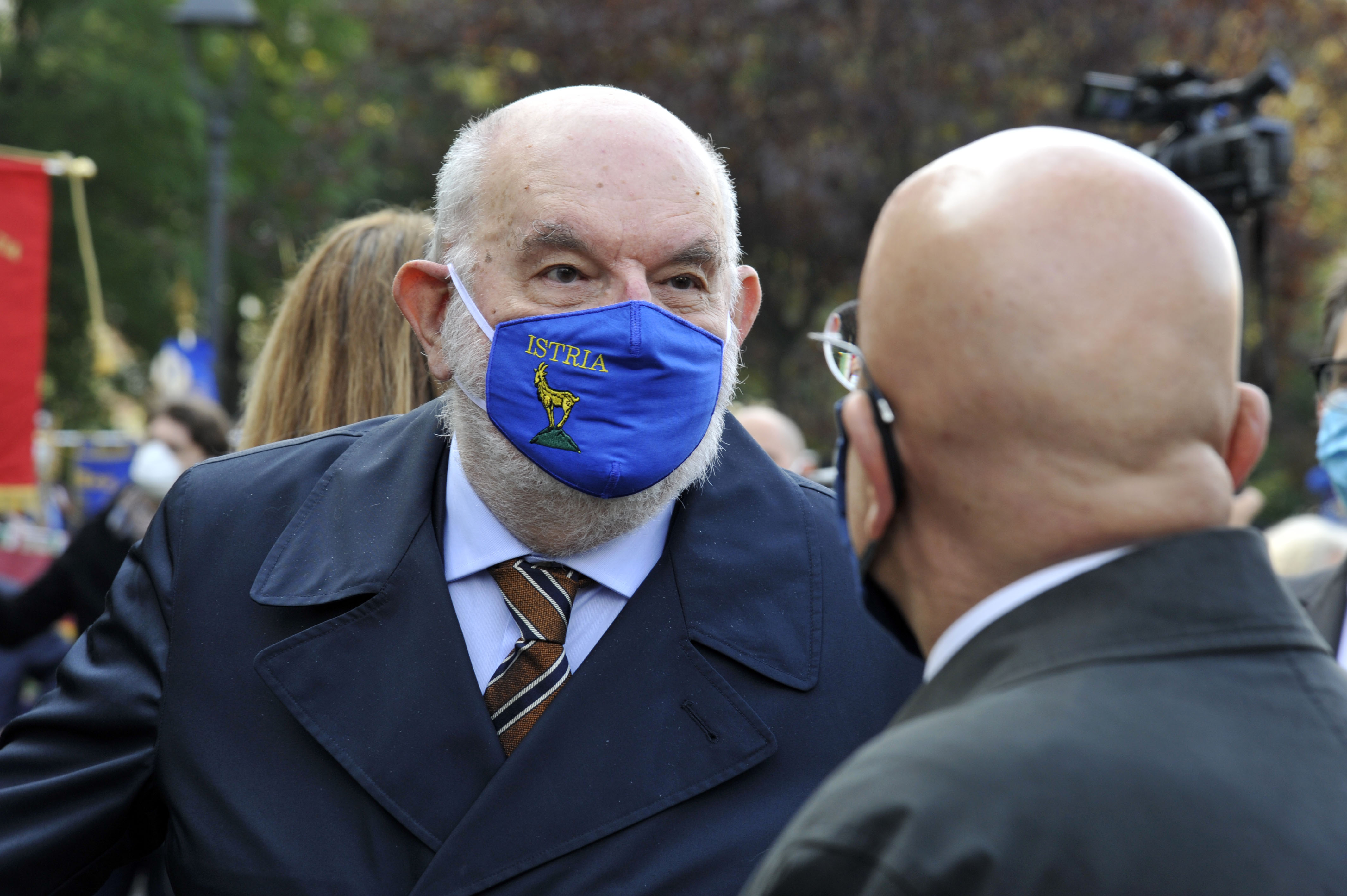
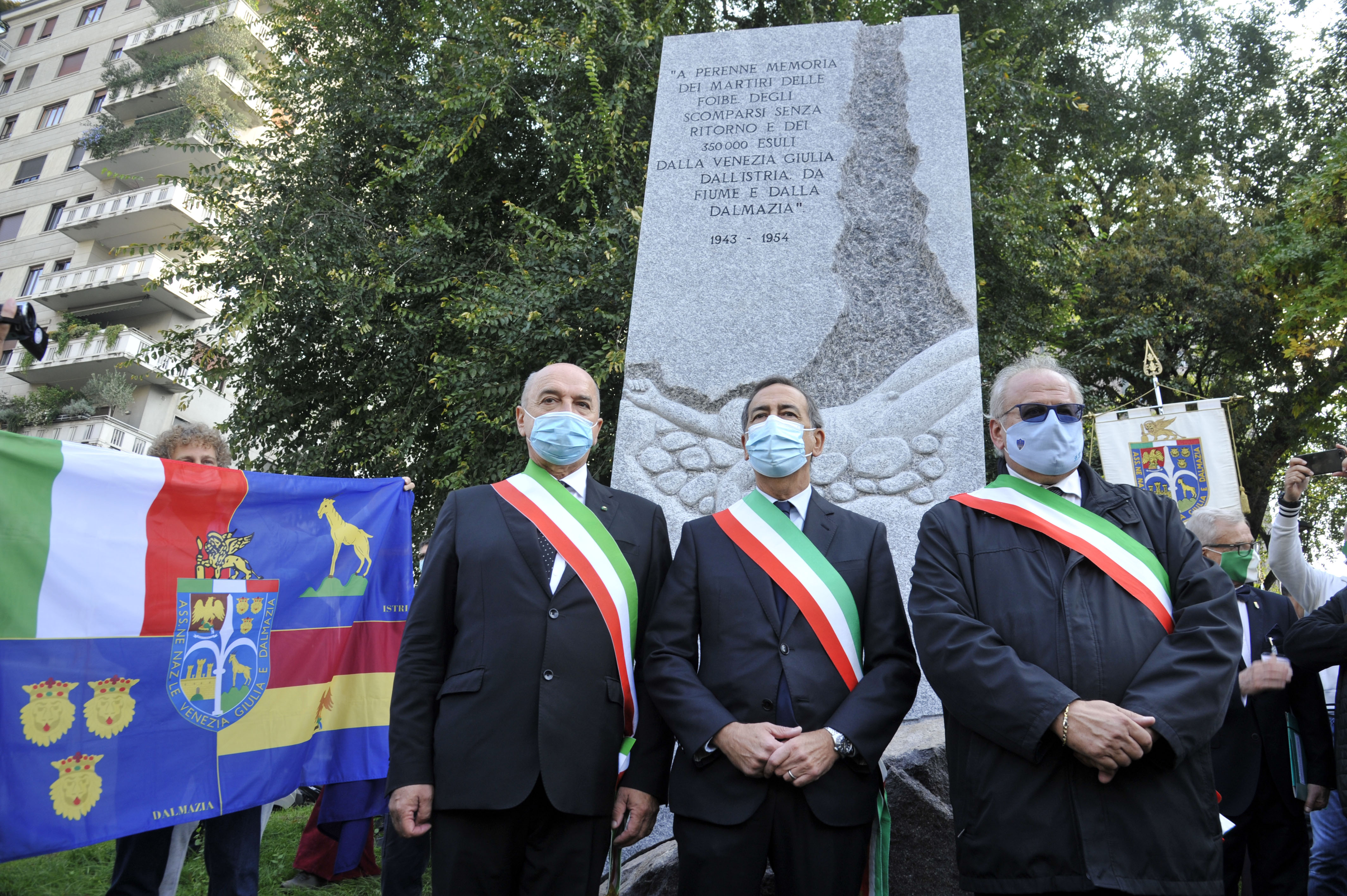
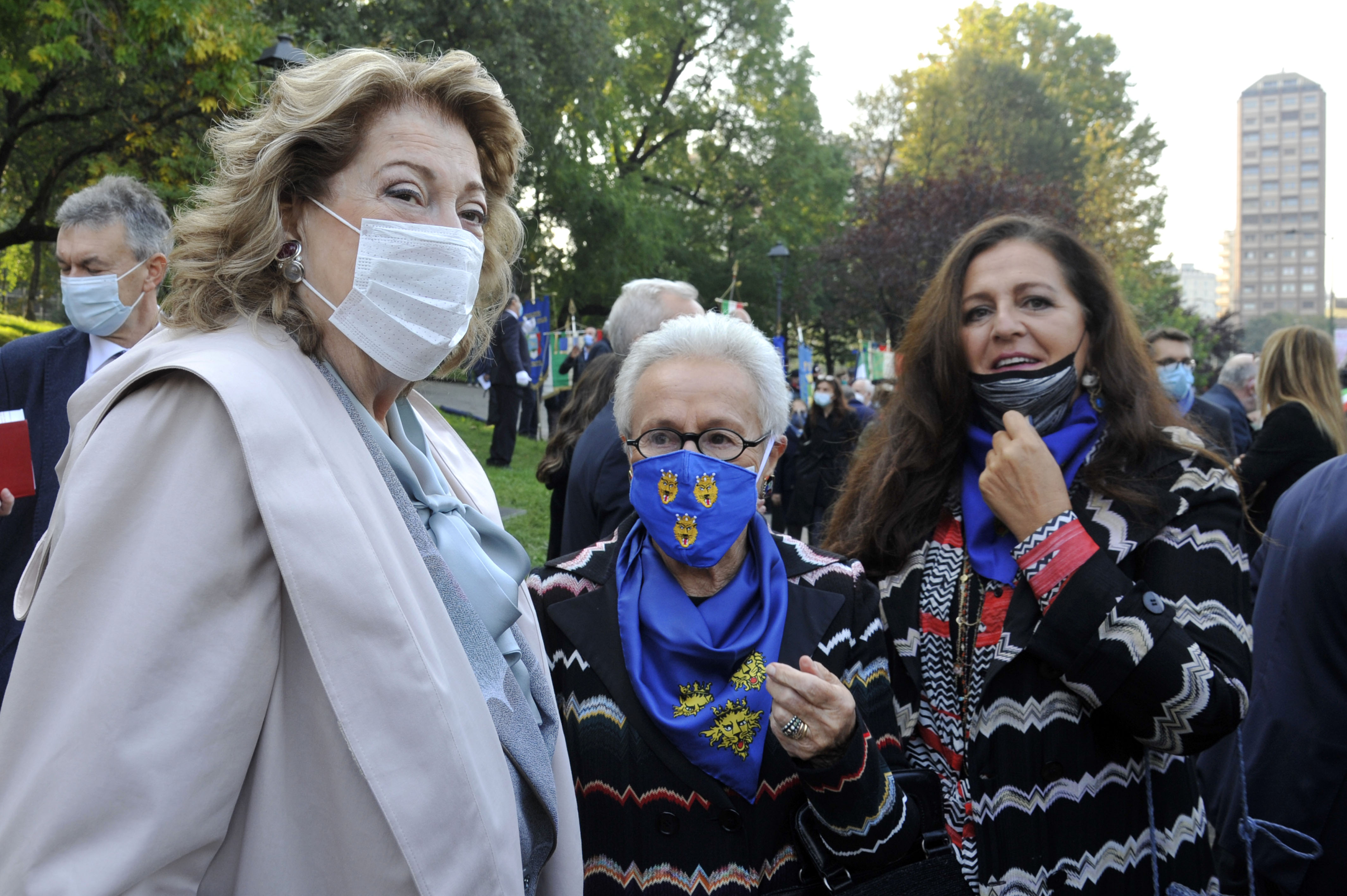
In fact, since Saturday 10 October, in Piazza Repubblica (formerly Piazza Fiume) there has been a stone and marble plaque, 4 metres high and 2 metres wide, designed by Tarticchio himself, “In everlasting memory of the martyrs of the foibe, of those disappeared without return and of the 350.000 exiles from Venezia Giulia, Istria, Fiume and Dalmatia 1943-1954”. The process was not easy and great credit must be given to Romano Cramer, exiled from Albona, president of the pro-monument Committee promoted by his association Movimento Nazionale Istria, Fiume e Dalmatia and joined by the provincial committee of Milan of the National Association of Venezia Giulia and Dalmatia, the Association of Italians of Pula and Istria – Free Municipality of Pula in Exile, the Association of Fiumani Italians in the World – Free Municipality of Fiume in Exile, the Association of Dalmatian Italians in the World – Free Municipality of Zara in Exile and the World Center of Istrian-Fiumana-Dalmatian Culture. Public costs were limited thanks to the generous contribution of the Bracco Foundation, chaired by Diana Bracco, who has never forgotten that the roots of her pharmaceutical dynasty are in Neresine, on the Kvarner island of Lussino, and was present at the ceremony together with, among others, Rosita, the widow of the stylist and Dalmatian exile Ottavio Missoni.
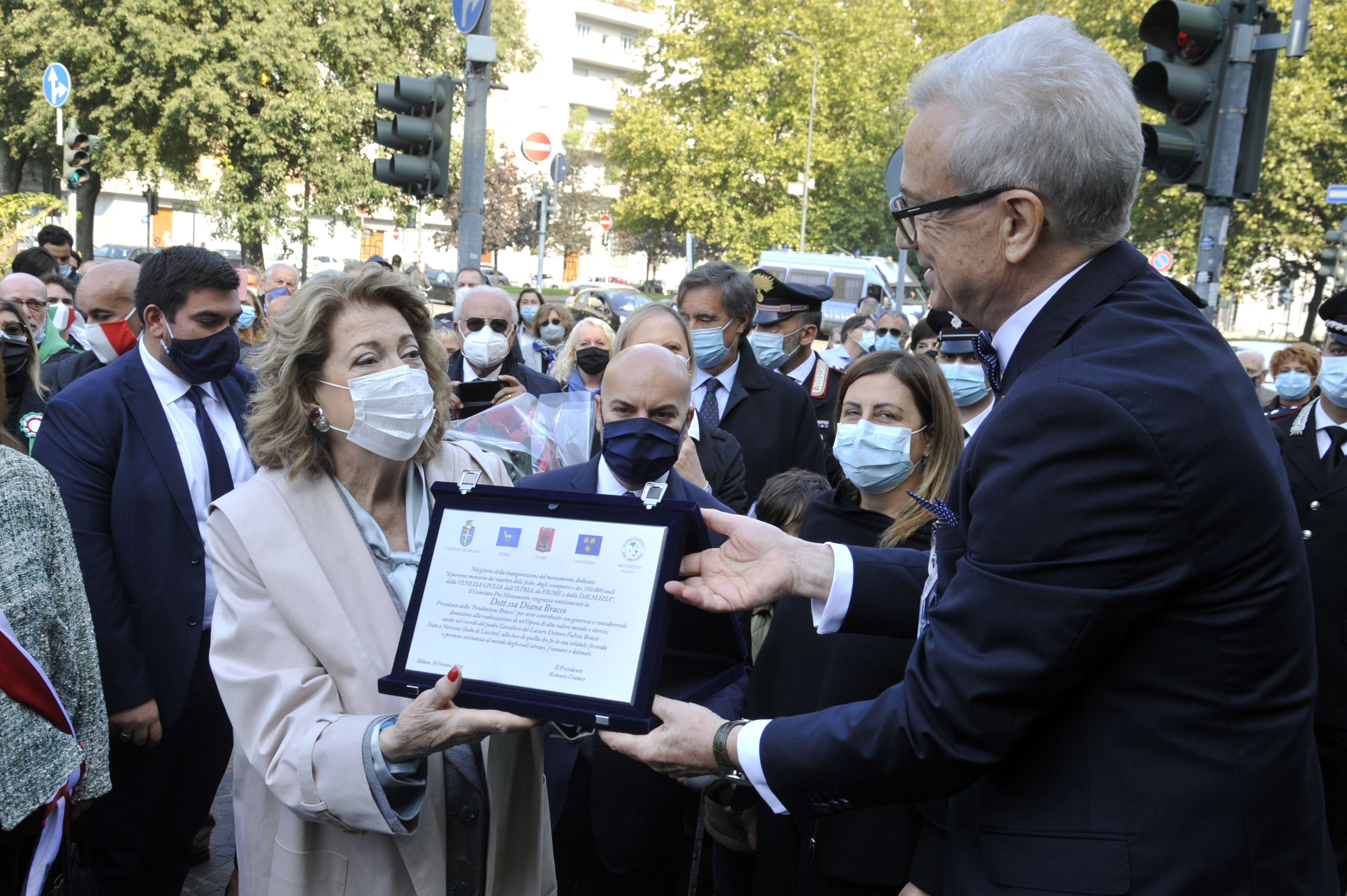
The approval by the Municipality of Milan came during the previous administration of Giuliano Pisapia, who in 2004 had been one of the parliamentarians to vote against the approval of the law establishing the Day of Remembrance.
Mayor Giuseppe Sala invited the mayors of Trieste Roberto Dipiazza and Gorizia Rodolfo Ziberna to the inaugural ceremony, who highlighted the importance of the presence of this monument in the economic capital of Italy and one of the most important European cities: «In addition to the dutiful tribute to the martyrs of Adriatic Italianity – says Ziberna, who is also a national ANVGD manager – this monument can also represent a stimulus to learn, to find out about the foibe and the Julian-Dalmatian exodus».
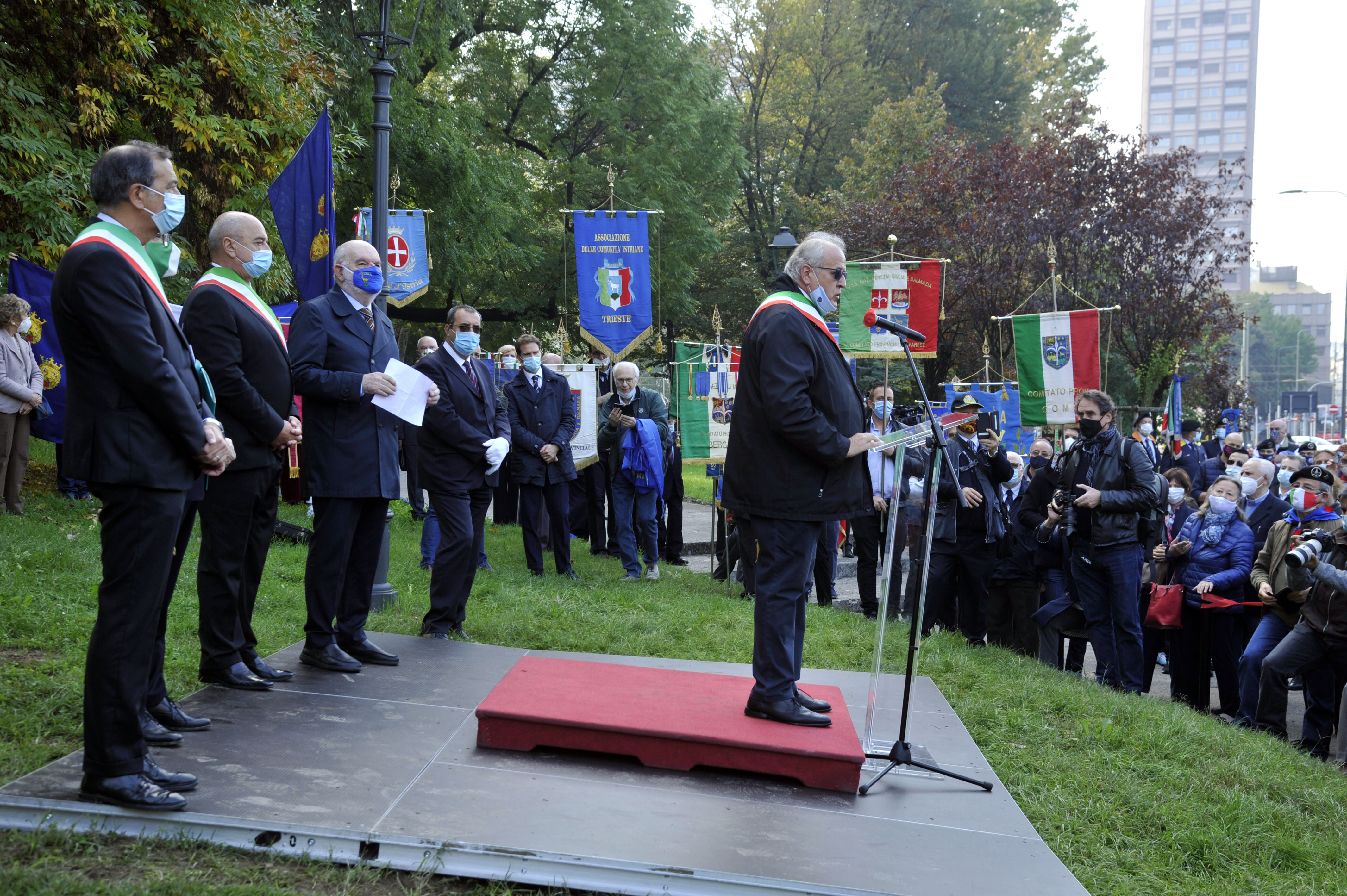
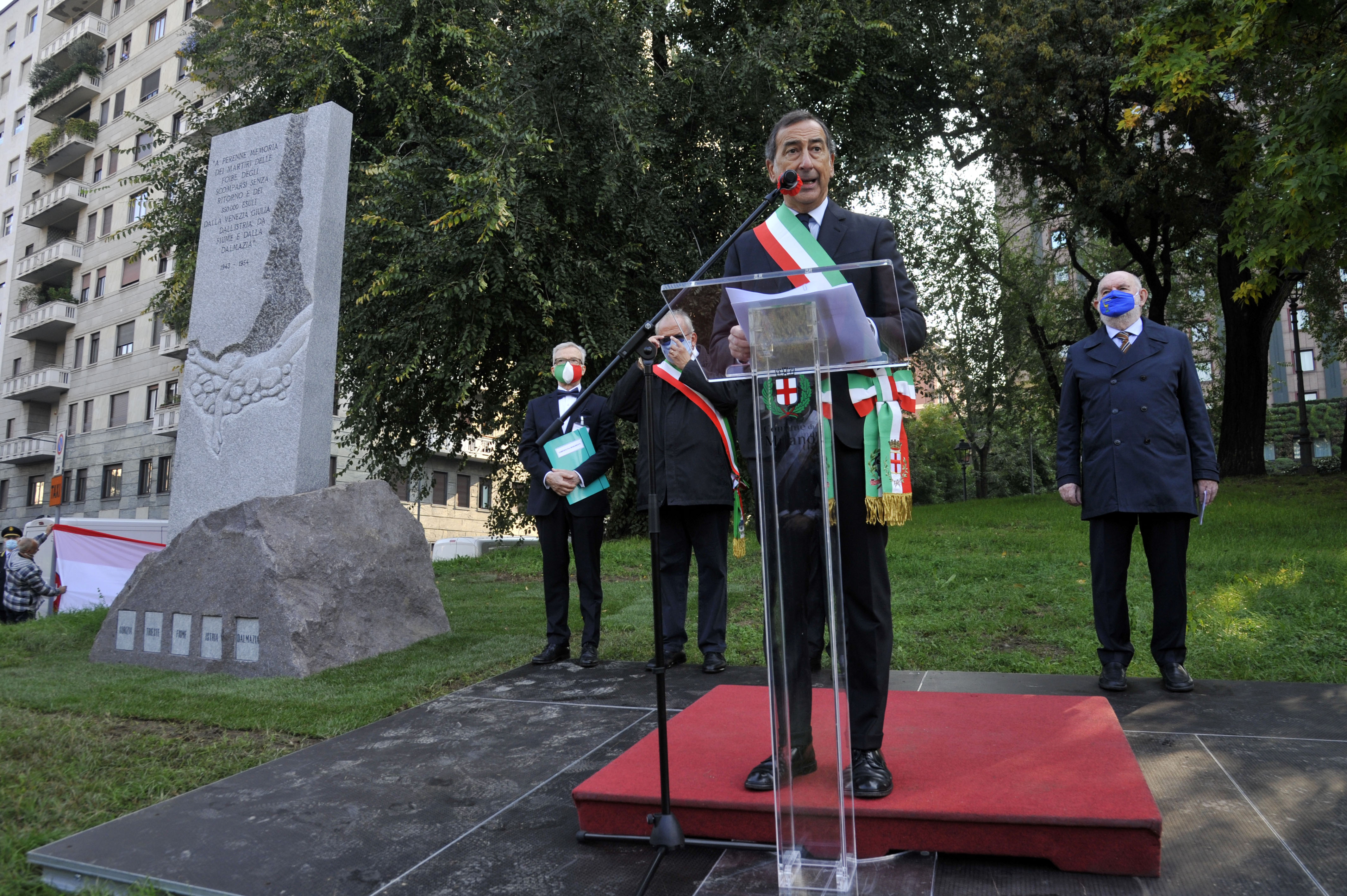
On the other hand, Dipiazza declared in his speech: «These are terrible historical facts and tragedies that have been kept in guilty silence for too long. We reiterate that the rhetoric of “so that it never happens again” – continued the Mayor of the Julian capital – makes no sense if we do not remember and fully understand what was done by Tito's communist partisans between September 1943 and February 1947 and after the war. Let us not forget that the massacre of the Italians of Venezia Giulia, Istria and Dalmatia was the bloodiest after the unification of Italy».
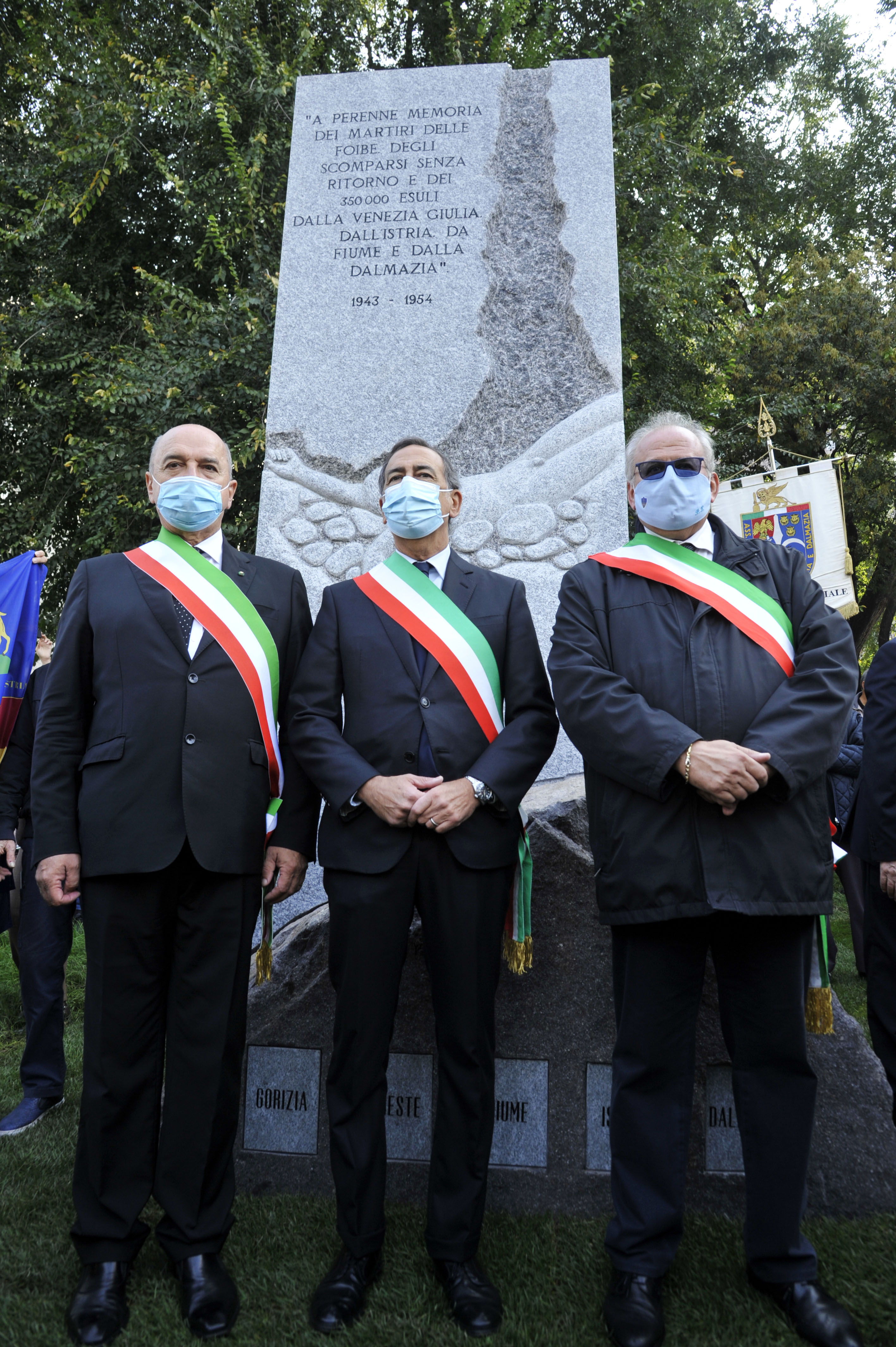
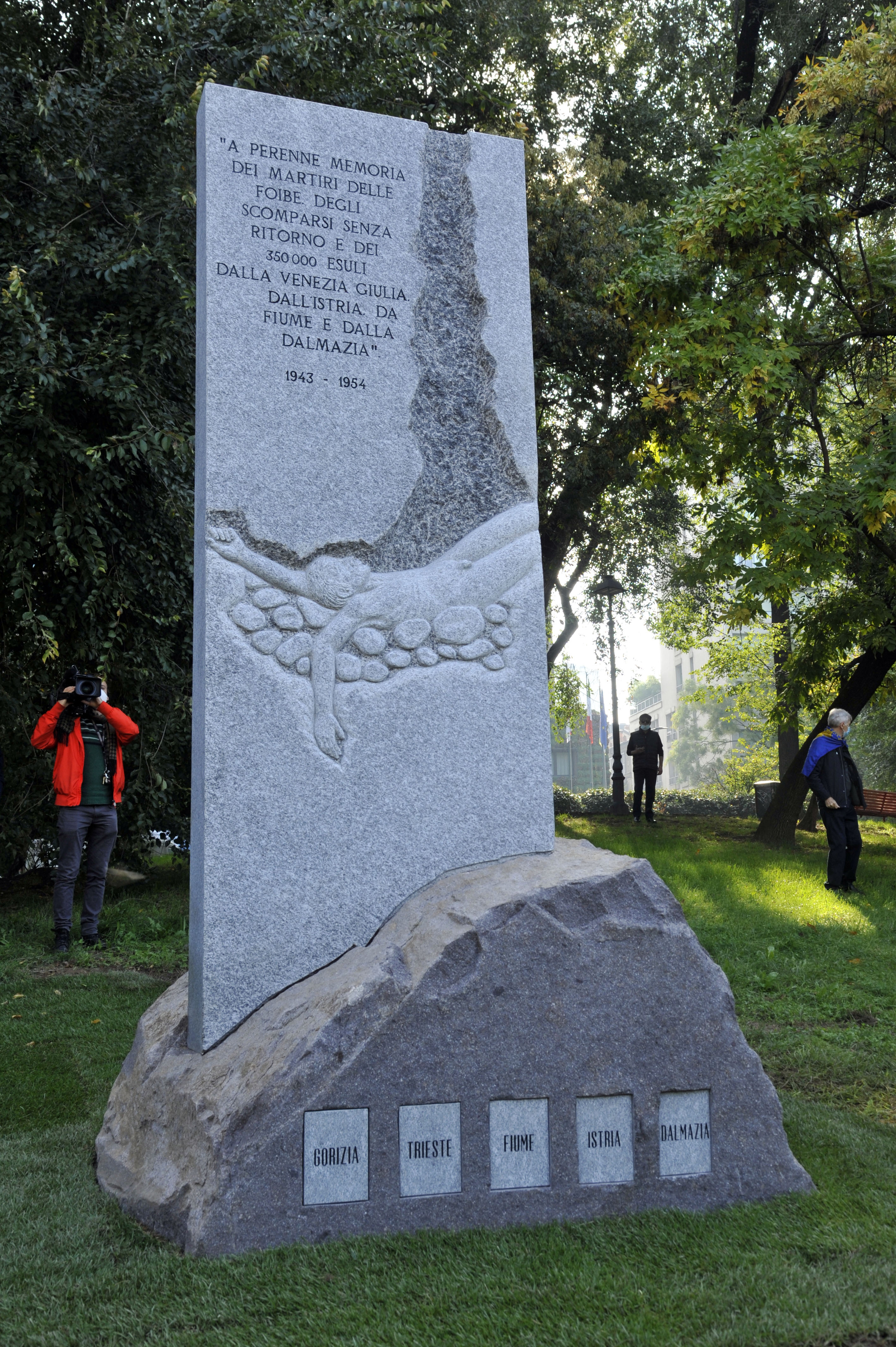
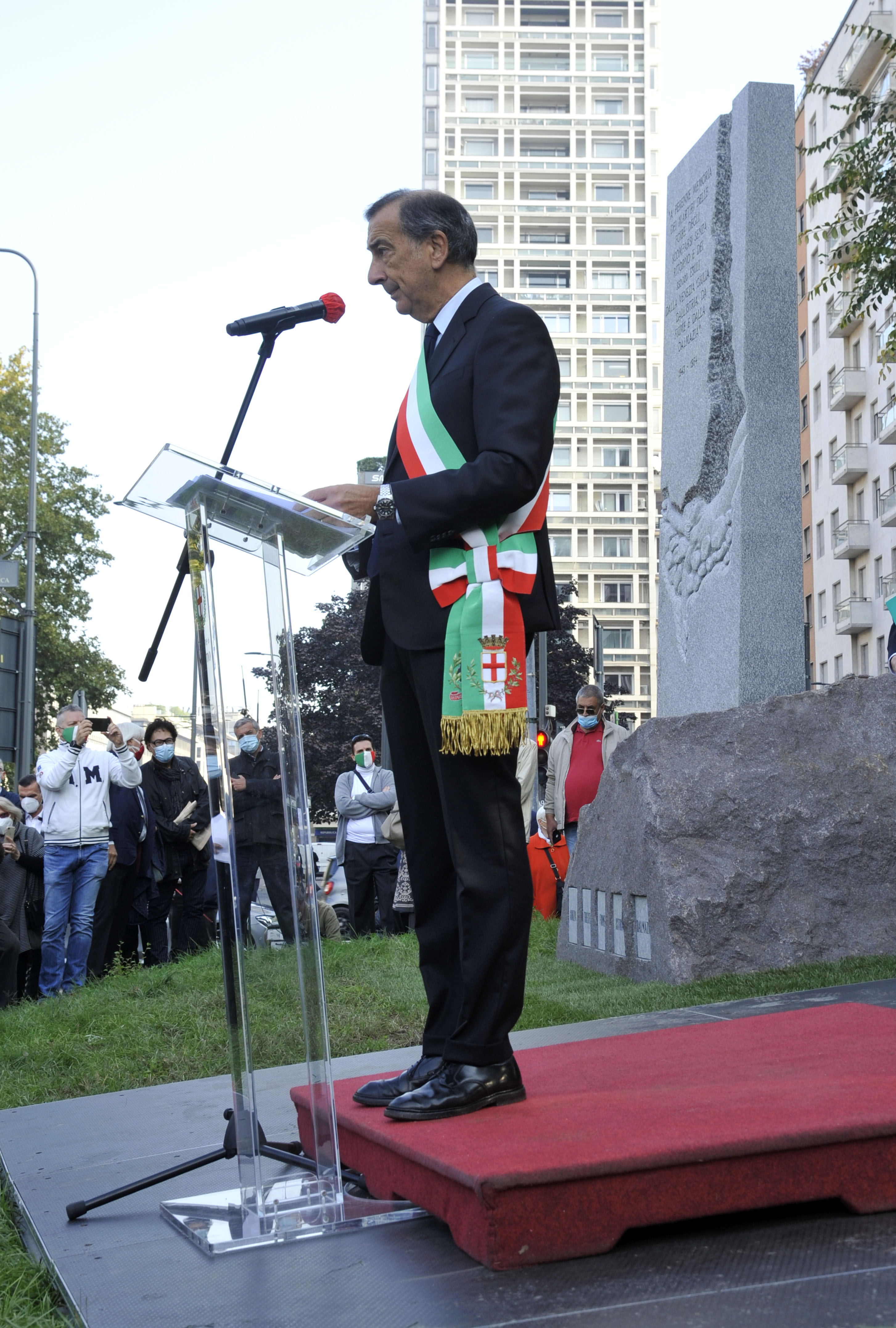
In compliance with safety regulations, there was a large presence of exiles and their descendants, of the most important acronyms of the Adriatic diaspora, of patriotic, combatant and armed associations and of representatives from Lombardy, Piedmont and Tuscany of the ANVGD, of which the national president Renzo Codarin was also present: «A monument designed by the exile Piero Tarticchio, who had seven relatives thrown into the sinkholes, financed by the Bracco Foundation, chaired by Diana Bracco, whose family was originally from Neresine, and strongly desired by a Committee to which the most important associations of the Adriatic diaspora have adhered. This monument demonstrates that the union of the forces of our world leads to significant results».
Lorenzo Salimbeni
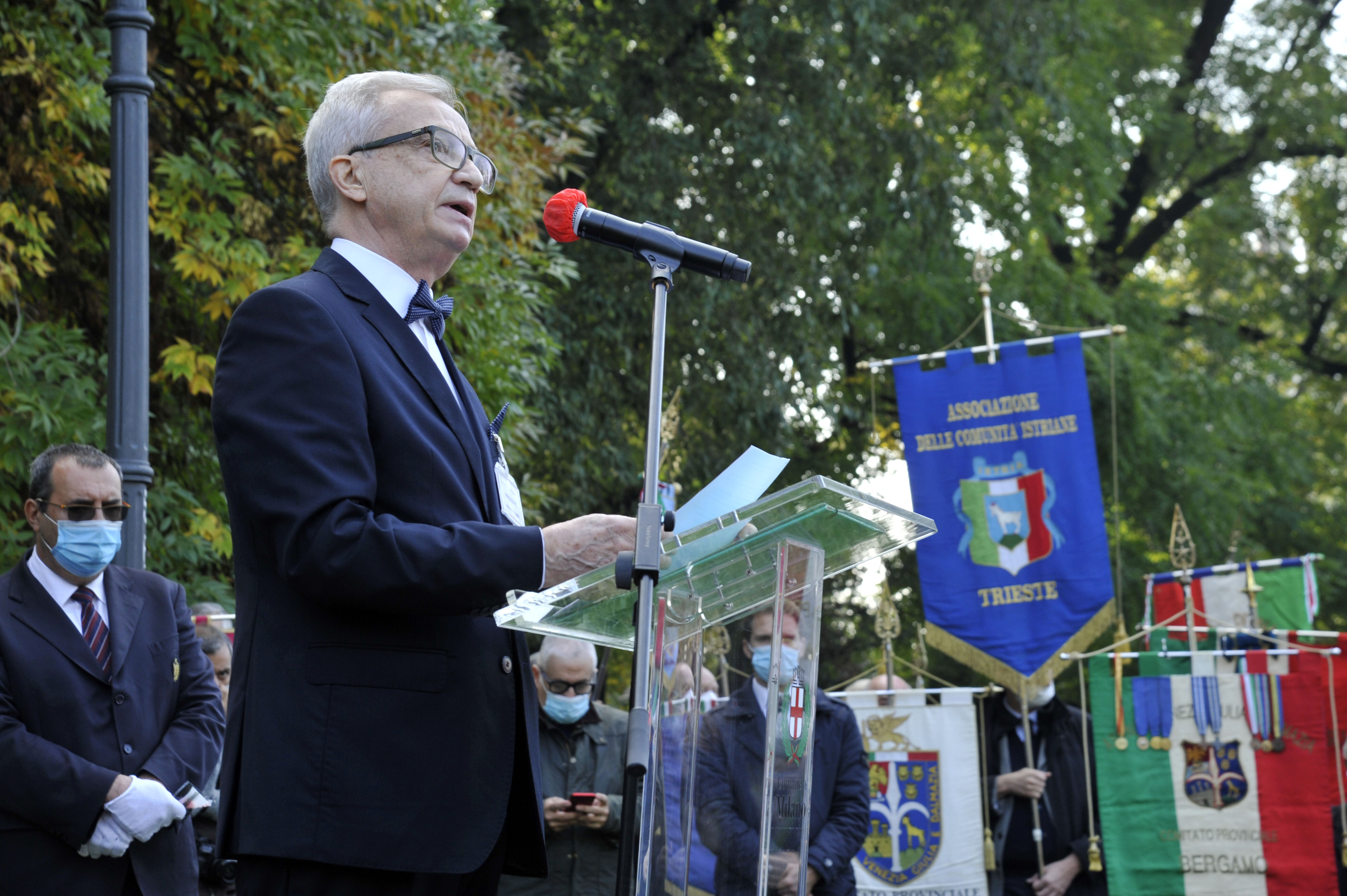
Speech given by Piero Tarticchio.
Every now and then, images of barbed wire fences return to my dreams, the ones my mother and I crossed at night in June 1945, while a storm was raging. We were fleeing from the terror of being thrown into sinkholes by Tito's partisans, as my father had been.
For over seventy years I have waited for this day. It is an immense joy for me to inaugurate a monument that commemorates the martyrdom of innocent victims thrown into the foibe and the subsequent exodus of over three hundred and fifty thousand Italians from Istria, Fiume and Dalmatia. Today, thanks to the municipalities of Milan, thanks to the financial help of Mrs. Diana Bracco, President of the Bracco Foundation and thanks to a committee of exiles chaired by Mr. Romano Cramer, this dream has finally come true.
I developed the project and drawings for this work by inserting the same motif I made in 2006 and which later became the icon of the foibe. A stele emerging from the rock and rising towards the sky. I decided that the figure was a symbolic image even if anatomically not very faithful to the original, so as not to give – to our detractors – the opportunity to define this monument as a cemetery tombstone. At this moment I am thinking of all those who are no longer with us and who would have liked to experience this historic moment and I invite those who will pass by here to stop and reflect on the meaning of this stele and say a prayer for all the victims who still lie at the bottom of the abyss.
A dear friend once said to me: “I lost the land where I was born and now what identity do I have?” I answered: “We will be Istrians forever.”
From today, this small portion of the city's territory will become our land, it will become Istria, it will become Rijeka, it will become Dalmatia.
Thank you Milan. Long live Italy..