Language
 English

A novel about the young Istrian woman who symbolized the tragedy of the foibe
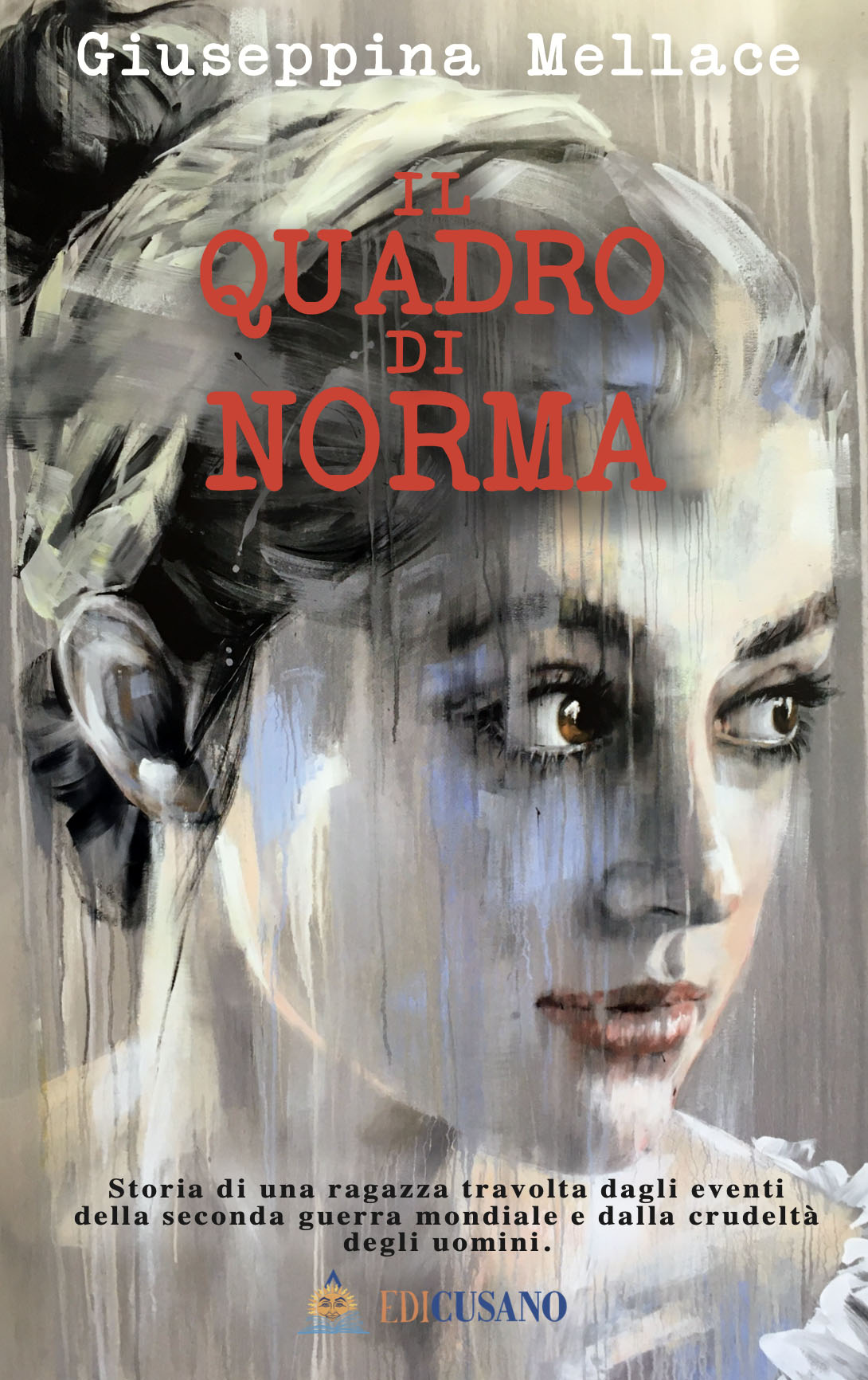
“What is most unacceptable, because, in a certain sense, even more serious than denialism, and the fruit of the ignorance and barbarism of our society itself, is to hear the tragic story of Norma Cossetto commented on with expressions like “Well, but after all, she was asking for it…” (frequently used when certain people comment on today's femicides). At the Casa del Ricordo, on Via San Teodoro, near the Circus Maximus, where the Society of Fiumani Studies-Archive-Historical Museum of Rijeka and the National Association of Venezia Giulia and Dalmatia keep alive the memory of the Istrian, Rijeka and Dalmatian Exodus (1945-1956) and the tragedy of the Foibe, the novel Il quadro di Norma by Giuseppina Mellace (Rome, Edicusano editions, 2022) was presented.
The book is dedicated to the story of Norma Cossetto, the young Istrian woman, native of Visinada (now Vizinada-Croatia), whose story has become a sort of symbol of the entire tragedy of the massacres in the Foibe: a planned extermination started in the autumn of 1943 in Istria and continued, from May 45 onwards, after the war was over, by Tito's partisans - with the alibi of the anti-fascist struggle - against the Italians of Venezia Giulia, Istria and Dalmatia.
In her speech, Donatella Schürzel (national vice-president of Anvgd), highlighted the balanced narrative, rich in historical and human motifs, present in Giuseppina Mellace's book. Norma becomes the symbol of the suffering endured in Istria by many women, killed in the Foibe or in other barbaric ways. It is a journey of knowledge of the life of a young Istrian woman, killed out of ideological hatred and because she was Italian. Today, when there is so much talk of femicide, Norma's story becomes topical again. The excuse that she was the daughter of a fascist mayor cannot be tolerated, since she was killed and raped with extreme violence, without mercy; and for this murder, no one has ever had to answer to justice.
Foibe: a mass massacre unleashed by a deadly “cocktail” of Stalinist communist fanaticism, ethnic intolerance and exasperated nationalism: “responsible, in total,” specified Marino Micich, director of the Historical Archive-Museum of Fiume, “for a number of Italian victims that historians establish as a minimum of 5 thousand to a maximum of 10 thousand. These estimates must also include the victims in Yugoslavian concentration camps, or killed in other ways. But we will never know the exact number of victims, especially because it was not in the interest of the Yugoslavian secret police to document the massacres. More than 75 years have passed since those events and it is difficult to investigate. There is, however,” continued Dr. Micich, “at least one incomplete list, relating to Trieste and Gorizia, of approximately 1.260 identified victims of the Foibe, compiled in Trieste by the “Committee for the recovery of bodies from the Foibe”, when the city, after the end of the war, thanks to the Allies, became a free territory.
While already in the autumn of 1943, after the end (with the birth of the RSI and the German occupation of the entire Adriatic coast, which drove back the partisan troops) of the first wave of massacres in the Foibe, there had been a report by the Prefect of Pola, Bilucaglia, who spoke of approximately 365 identified victims; but in that first phase we can estimate, in the whole of Istria, at least 500/600. Often, in the few documents that have come down to us from that time, the female victims, incredibly, were not even mentioned by name (that is, they wrote “the wife of…”, “the daughter of…”). We know for certain, however, that the Yugoslav repression killed at least 436 women, most of them thrown into the Foibe”.
Norma Cossetto (who, in 2006, was awarded the gold medal for civil valor in memoriam), daughter of Giuseppe, a local fascist mayor, born on 17 May 1920, was murdered in what would sinisterly go down in history as the foiba of Villa Surani, in the other town of Antignano, on 5 October 1943. It should not be forgotten that her tormentors were not only Slavs: among them there were also some Italians, members of Tito's "liberation army" (a circumstance which was then promptly repeated in the Porzus massacre of February 1945).
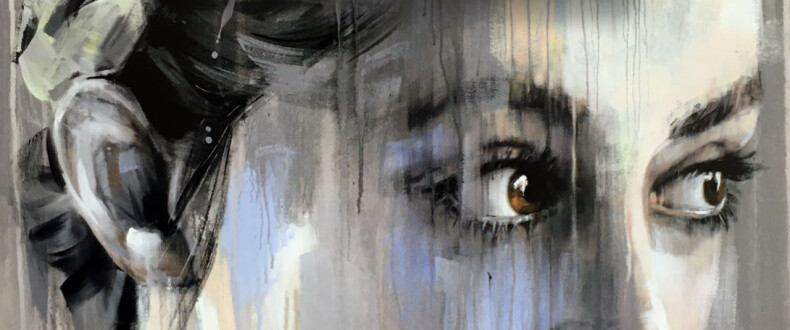
The author Giuseppina Mellace, a writer and scholar of contemporary history, specifies that "now I wanted to talk about Norma in a novel as a means of easier diffusion, capable of reaching a wider audience than that of the readers of a historical essay. However, my novel did not have an easy life as soon as it was published, since the topic of the Foibe, in the Triveneto and in Croatia and not only, is still a taboo, that too many persist in keeping hidden (when they do not openly inveigh against anyone who dares to talk about it by telling the truth). Suffice it to say that in my book, where the narration begins with the discovery of a portrait of a woman who turns out to be Norma, I was able to dedicate, to the name of the author (since it is a painting actually done in its time), just one line on the back cover. Because the artist, even today, does not want to talk much about these topics, fearing greatly for the life of his family and himself".
Marino Micich and Donatella Schurzel, among other things, have highlighted the importance of the Julian-Dalmatian Quarter of Rome as an “open-air museum”, which with many buildings directly recalls the years, immediately after the war, of the arrival of Julian, Istrian and Dalmatian refugees (around 10 thousand were welcomed throughout Rome). And where, in recent years, the various realities representing the exiles have begun to install, in memory of the fallen, benches (one of which, recently, dedicated to Norma Cossetto), plaques, tombstones, monuments, and founded the Archive – Historical Museum of Fiume in Via Cippico, concrete tools of civic memory.
“In recent years, however,” concludes Micich, “even the left has begun to address, with a minimum of self-criticism, the issue of the Foibe and the Exodus; people like Walter Veltroni, Luciano Violante, Nicola Zingaretti have actually helped us organize important initiatives.” Of course, we must always recognize the support given to the culture of exiles by politicians, first and foremost from other camps: like Maurizio Gasparri, Fabio Rampelli, Roberto Menia, Carlo Giovanardi. Above all with the approval of the fundamental law of 2004 on the Day of Remembrance.
Unfortunately, the tendency to minimize, remove or even deny the reality of these tragedies still persists in important organizations (the Anpi, for example, has always sided with Tito on these issues). "While a short time ago - adds Micich - a proposal to promote initiatives in memory of Norma Cossetto presented to the Council of the Municipality of Rome I was rejected, with the decisive vote of a councilor, Federico Auer: who expressed, in support of his decision, a series of specious objections on the type of violence suffered by Cossetto (subsequently apologizing, to be fair)".
Fabrizio Federici
Source: the opinion – 23/05/2022